Key Principles for Effective Soil Remediation: Precision, Safety, and Sustainable Recovery
Soil is the foundation of ecosystems, carrying the dual responsibility of supporting food security and maintaining ecological balance. As heavy metal contamination and organic pollutants become increasingly prevalent, soil remediation is no longer a simple “cleanup task.” It is a systematic engine
Soil is the foundation of ecosystems, carrying the dual responsibility of supporting food security and maintaining ecological balance. As heavy metal contamination and organic pollutants become increasingly prevalent, soil remediation is no longer a simple “cleanup task.” It is a systematic engineering process that demands scientific accuracy, safety, and long-term sustainability. Only by adhering to key principles can we prevent secondary damage and ensure that restored land returns to a healthy ecological cycle.

1. Precision Testing: The Essential First Step
Every contaminated site varies significantly in pollutant type, concentration, and depth of contamination. Launching remediation without accurate assessment may cause resource waste and ineffective treatment. Before any intervention, multi-point and multi-depth sampling must be conducted to determine the levels and distribution of pollutants such as mercury, lead, chromium, or PAHs.
Additionally, soil characteristics—such as texture, pH, and groundwater levels—must be thoroughly evaluated. These data form the scientific basis for selecting the most appropriate remediation technology.
2. Technology Selection: Matching Solutions to Conditions
Different remediation technologies have unique advantages and limitations.
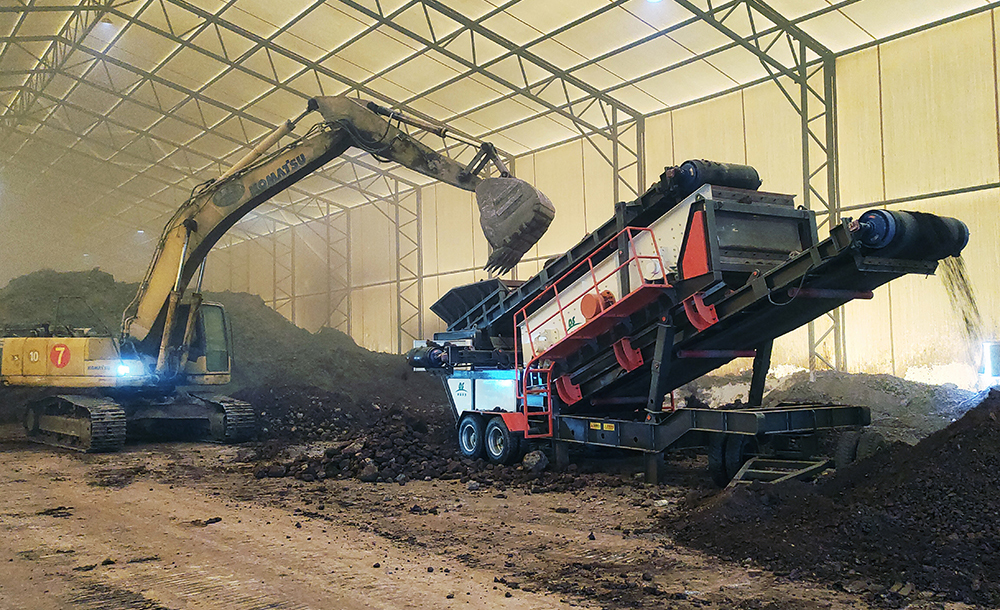
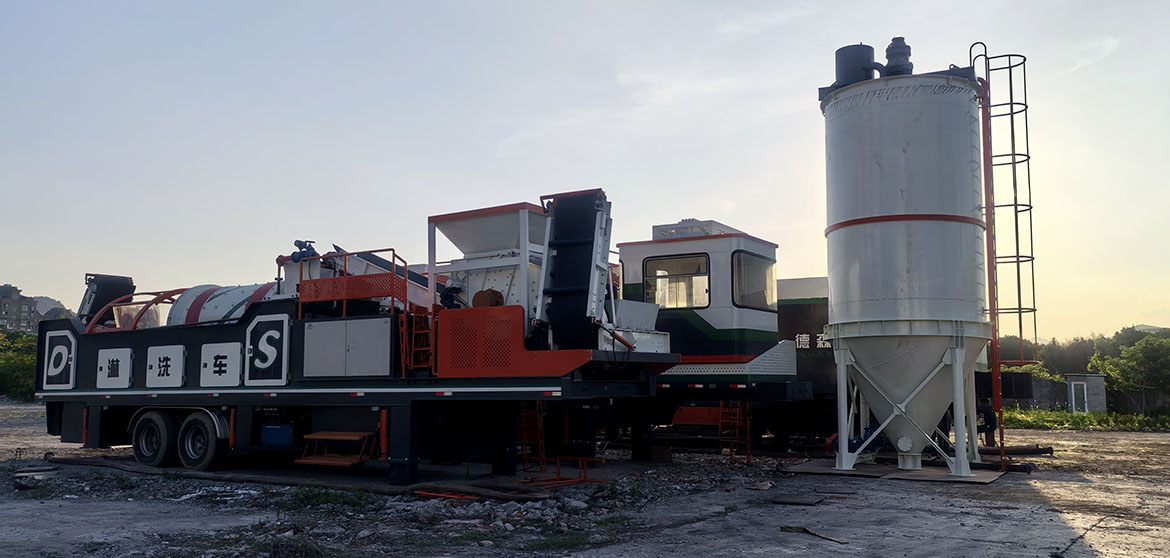
Ex-situ soil washing works best for high-concentration heavy metal contamination.
Phytoremediation is suitable for large-scale, low-concentration pollution requiring gradual, long-term restoration.
Chemical stabilization helps rapidly reduce the bioavailability of toxic elements.
Choosing the right technology must consider pollutant type, land-use planning, and remediation timelines. Avoiding “one-size-fits-all” solutions is the key to achieving both effective results and cost efficiency.
3. Long-Term Monitoring: Ensuring Sustainable Performance
Certain technologies only temporarily stabilize pollutants instead of fully removing them. Without ongoing supervision, contaminants may re-mobilize into deeper soil layers or groundwater. Post-remediation monitoring is crucial—tracking soil quality, groundwater conditions, fertility recovery, and biodiversity indicators. Clear land-use restrictions must also be established to ensure long-term safety and prevent improper development.
Effective soil remediation is an ongoing commitment that requires scientific rigor and responsible practices. By prioritizing precision testing, proper technology matching, and long-term monitoring, we can ensure soil resources remain healthy, productive, and sustainable for future generations.