Ditch Sludge Treatment Equipment: Practical Guide to Dredged Sludge Washing and Disposal
Practical guide to ditch sludge treatment equipment: how dredged sludge washing reduces volume, recovers sand, and cuts disposal costs.
Ditch Sludge Treatment Equipment: Practical Guide to Dredged Sludge Washing and Disposal
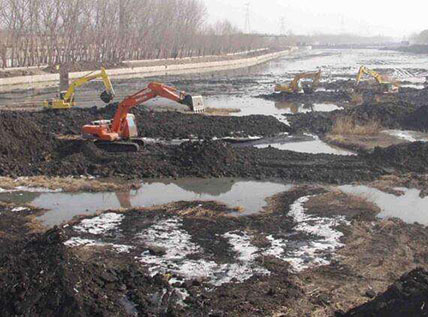
Anyone who manages municipal drainage networks knows the annual headache: silt builds up in ditches, pipes, channels, and riverbanks, and someone has to dig it out, haul it away, and pay a small fortune for disposal. But ditch sludge is not a single, uniform waste. It is a mixture of coarse sediment, organic matter, and biofilm that behaves differently depending on where it came from. That is why a growing number of utilities and contractors are switching from simple haul-and-dump to on-site ditch sludge treatment equipment that separates, cleans, and recycles the material instead of burying it. This guide explains how dredged sludge washing works, what equipment you actually need, and why Zhengzhou Desen Environmental Technology has become a trusted name in this niche.
Technical Principles: Understanding What You Are Treating
Ditch sludge, sewer sludge, and dredged sludge from channels, rivers, and lakes share a common structure. At the bottom sit coarse particles, above that an organic layer, and on top a biofilm that carries most of the smell and the pathogens. The sludge can also hold heavy metals and organic toxins that are difficult to degrade, so it cannot simply be dumped into a landfill without treatment.
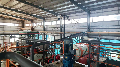
A well-designed treatment line tackles this composition head-on. The material first passes through a feeder and scrubbing stage that breaks up clumps and releases the attached fines. Screening then separates gravel and coarse sand from the finer fraction, while washing and hydrocyclone stages recover clean sand that can be reused. The light organic matter floats off and is dewatered separately, and the final sludge concentrate goes to a filter press. What leaves the plant is a clean aggregate stream, a manageable organic fraction, and a much smaller volume of true waste. This is the reduction, harmlessness, and recycling loop that modern regulations are pushing everyone toward.
Key Advantages of Modular Dredged Sludge Treatment Systems
Desen Environment builds its ditch sludge treatment and disposal plants as compact modules, and the design choices matter more than you might think:
- No civil foundation needed. A horizontal hardened surface is enough to install the whole system, which removes weeks of construction work before treatment can even start.
- Short installation time. Because every module is pre-assembled and factory-tested, the site work is mostly lifting and connecting, not building.
- One-stop control. The DCS control system lets operators manage the entire line locally and monitor it remotely from multiple ports, which keeps staffing costs low on remote sites.
- Versatile feed handling. The same plant accepts dredged sludge, ditch sludge, municipal pipe sludge, sewer sludge, excess sludge, river sediments, and lake sediments without major reconfiguration.
- Volume reduction that pays. By recovering clean sand on site, utilities cut transport and disposal tonnage dramatically, often paying for the equipment within a season or two.
Case Analysis: From Disposal Cost to Reusable Resource
Consider a mid-sized city that had been trucking thousands of tons of dredged sludge from its drainage network to a landfill every year. Rising gate fees and tightening environmental rules made the old route financially painful. After installing a Desen ditch sludge treatment and disposal plant, the city separated the material into reusable sand for construction backfill, dewatered organic matter for further treatment, and a small residual stream for disposal. The project turned a pure cost center into a partial revenue source and, just as important, removed the smell complaints that had plagued the old transfer point.
In another example, a river restoration contractor working on a tight schedule used a mobile sludge washing line to process lake sediments at multiple pump-out locations. Because the modules could be relocated without new foundations, the same equipment served three sites in one season, and the recovered sand was reused in bank reinforcement. Field teams consistently report that the equipment runs reliably even with highly variable feed quality, which is exactly the condition drainage work throws at you.
Frequently Asked Questions
What is the difference between ditch sludge and sewer sludge?
Ditch sludge typically comes from open channels, drainage ditches, and stormwater networks, while sewer sludge comes from closed municipal sewer pipes. Their composition overlaps, but ditch sludge usually contains more coarse sediment and less biological solids. The same modular treatment line can handle both with minor adjustments.
How much volume can a sludge treatment plant actually reduce?
It depends on the feed, but typical systems cut the volume requiring disposal by 50 to 80 percent because clean sand is recovered on site and water is removed from the organic fraction. That directly lowers transport and landfill costs.
Is on-site treatment always better than off-site disposal?
For large or repeated jobs, almost always. On-site treatment avoids haulage risk, keeps contaminated material under your control, and eliminates recurring disposal fees. For a one-off, very small job, rental or mobile processing may be more practical.
Can Desen equipment handle heavy metals in the sludge?
Yes. The washing and classification process concentrates heavy metals and other difficult contaminants into the fine sludge fraction, which is then dewatered and sent for specialized treatment. The recovered sand is tested before reuse to confirm it meets local criteria.
How do I size a ditch sludge treatment system?
You need the daily sludge volume, solids content, particle size distribution, and contaminant profile. Desen Environment runs treatability tests and recommends a configuration based on your real samples. More information and project references are available at materialwashing.com.