How Are Arsenic & Nickel Contaminated Soils Turned into Reusable Resources? | Inside the Complete Soil Washing Remediation Process
How Are Arsenic & Nickel Contaminated Soils Turned into Reusable Resources? | Inside the Complete Soil Washing Remediation ProcessHow can heavily contaminated soil become reusable again?How are arsenic- and nickel-contaminated soils reduced, cleaned, and transformed into reusable materials?Today
How Are Arsenic & Nickel Contaminated Soils Turned into Reusable Resources? | Inside the Complete Soil Washing Remediation Process
How can heavily contaminated soil become reusable again?
How are arsenic- and nickel-contaminated soils reduced, cleaned, and transformed into reusable materials?
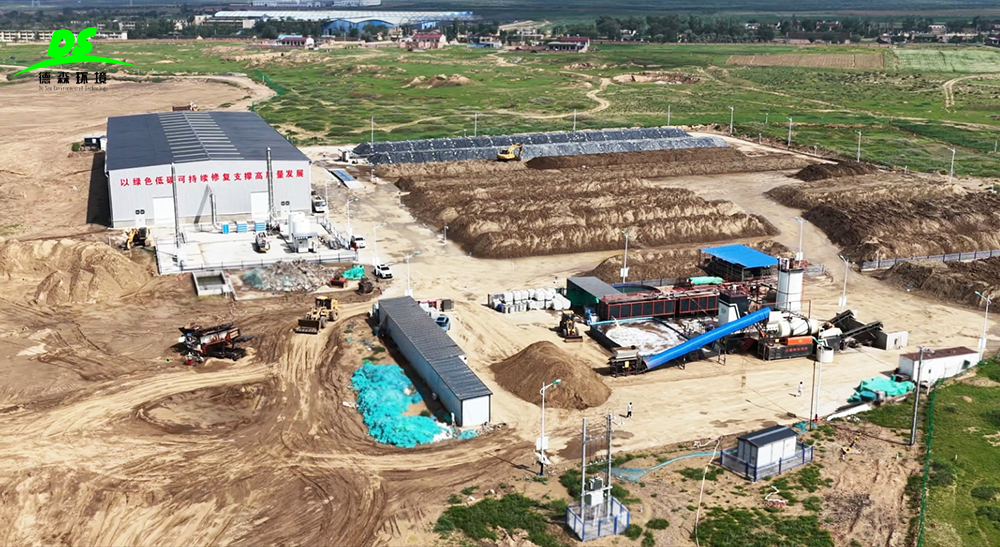
Today, we take you directly inside a real remediation project to reveal the complete soil washing process—from raw contaminated soil entering the site to final filter cake discharge. Every stage is clearly visible, showing how polluted soil is successfully restored through advanced remediation technology.
Step 1: Pre-Treatment & Screening
The remediation process begins inside the pre-treatment workshop, the first stop for contaminated soil.
Incoming soil often contains large rocks and oversized debris that can interfere with downstream treatment efficiency. To solve this, the material first passes through an ALLU screening bucket, which efficiently separates large stones and bulky materials, preparing the soil for precision washing and treatment.
Step 2: High-Intensity Scrubbing & Primary Washing
After screening, the material is transferred smoothly via a feeding conveyor into the high-speed scrubbing system.
This first-stage scrubbing process:
Removes contaminants attached to soil particle surfaces
Loosens heavy metals such as arsenic and nickel
Improves the efficiency of subsequent chemical washing stages
It creates the foundation for deeper purification and more effective contaminant removal.
Step 3: Multi-Stage Screening & Material Separation
Following primary scrubbing, the material enters the first-stage screening system, where visible impurities are already significantly reduced.
The process then continues into a second-stage screening unit, producing:
Cleaner material output
Low-moisture sand and aggregates
Reusable mineral fractions suitable for recycling or backfilling
This stage plays a key role in achieving soil reduction and resource recovery.
Step 4: Slurry Treatment & Filter Press Dewatering
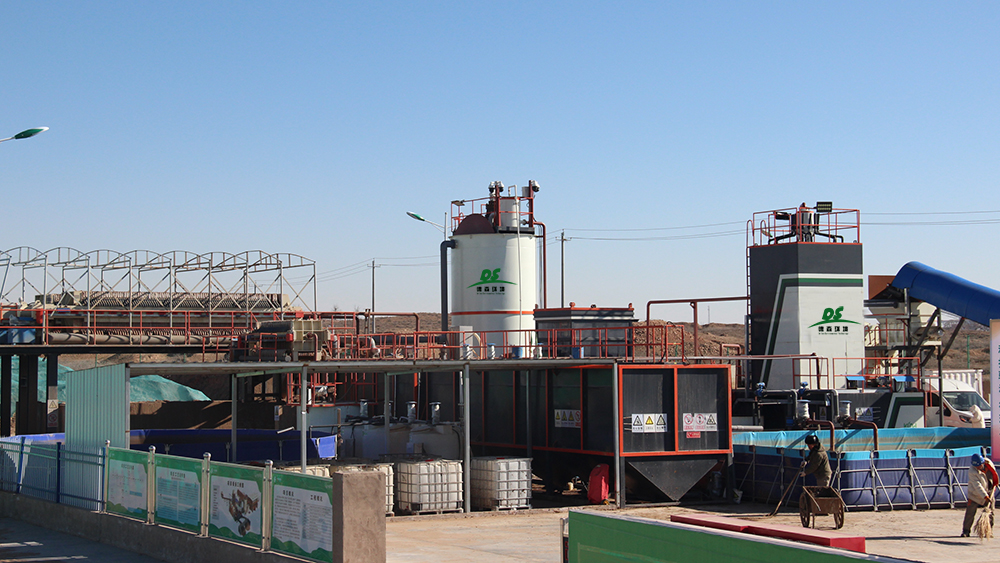
After secondary screening, the remaining heavy metal slurry is transferred into a deep cone thickener tank.
Specialized chemical agents are added to:
Precipitate and separate heavy metals
Concentrate contaminants for safer disposal
The slurry is then pumped into a plate filter press, where it is dewatered into solid filter cakes.
The resulting filter cake:
Has a moisture content of approximately 30%
Is easier to transport and dispose of
Reduces the risk of contaminant migration
Closed-Loop Water Recycling System
The entire production line operates alongside an intelligent water recycling system.
Wastewater from filter pressing and thickening is collected in a central water tank
Water is purified through an advanced treatment system
Treated water is fully recycled back into the washing process
Additional drainage channels collect trace wastewater around the equipment, which is pumped back into the treatment system for centralized handling.
This ensures:
✔ Zero leakage
✔ Controlled environmental operation
✔ Reduced water consumption
✔ No secondary pollution
Turning Waste into Valuable Resources
This advanced soil washing remediation line combines:
Physical scrubbing
Chemical washing
Precise screening
Closed-loop water treatment
to effectively separate heavy metals from contaminated soil, achieve significant volume reduction, and recover reusable sand and aggregates.
Through this process, contaminated soil is transformed from hazardous waste into reusable resources—truly achieving the goal of “turning waste into value.”
As a professional soil remediation equipment provider, Desen Environment continues to deliver mature, reliable technologies for arsenic, nickel, and heavy metal contaminated soil treatment, helping protect ecosystems and support sustainable environmental restoration.