Oil-Contaminated Soil Treatment: Technologies and Best Practices
Explore effective technologies for oil-contaminated soil treatment. Learn about thermal washing, chemical remediation, and integrated solutions for oilfield sites.
Oil contamination of soil is a widespread environmental challenge affecting oilfields, refineries, storage terminals, and gas stations worldwide. Petroleum hydrocarbons in soil pose serious risks to groundwater quality, ecosystem health, and human safety. Effective treatment requires specialized equipment and process expertise. This article examines the most effective technologies for oil-contaminated soil remediation and best practices for successful project execution.
Understanding Oil Contamination in Soil
Oil-contaminated soil typically contains a complex mixture of hydrocarbons including alkanes, aromatics, asphaltenes, and resins. The contamination can originate from drilling operations, pipeline leaks, tank failures, or historical industrial activities. Oily drilling cuttings from oil and gas exploration represent a particularly challenging waste stream, as they combine petroleum residues with rock particles and drilling fluid additives. Effective treatment must separate hydrocarbons from soil particles while recovering reusable materials and minimizing waste volumes.
Thermal Soil Washing: The Core Technology
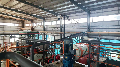
Thermal soil washing is the most widely adopted technology for petroleum-contaminated soil treatment. The process uses heated water combined with surfactants to desorb hydrocarbons from soil particles through mechanical scrubbing, followed by multi-stage classification and solid-liquid separation. Desen Environmental oil-contaminated soil washing equipment achieves effective treatment for soils with petroleum hydrocarbon content below 50,000 mg/kg. The system features a rotary drum scrubber that creates intensive particle-to-particle friction, breaking down oil-soil aggregates and releasing bound hydrocarbons.
Integrated Treatment and Resource Recovery
Modern remediation projects increasingly emphasize resource recovery alongside contaminant removal. Desen washing system incorporates oil-water separation and recovery modules that capture floating oil and emulsified hydrocarbons for proper disposal or recycling. The closed-loop water treatment system achieves over 90 percent water reuse, significantly reducing fresh water consumption and wastewater discharge. For large-scale oilfield remediation programs, the modular design allows multiple processing lines to operate in parallel, scaling treatment capacity to project needs while maintaining consistent effluent quality.
Project Planning Considerations
Successful oil-contaminated soil treatment projects require thorough site characterization, pilot testing to optimize process parameters, and careful management of treated materials. Working with experienced equipment providers like Desen Environmental ensures access to proven technology, technical support throughout project execution, and compliance with evolving environmental regulations across different jurisdictions.