Mobile vs Modular Soil Washing Systems: Which Is Right for You?
Compare mobile and modular soil washing systems for remediation projects. Explore pros, cons and ideal applications from Desen Environmental for your site.
When planning a soil remediation project, one of the fundamental decisions is choosing between mobile and modular washing systems. Both approaches have their place in modern remediation, but understanding their relative strengths helps project managers make informed decisions that balance cost, schedule, and technical requirements. Here is a detailed comparison to guide your equipment selection process.
Mobile Soil Washing Systems: Rapid Response and Flexibility
Mobile washing systems, such as the Desen Washing Plant, are integrated on trailer-mounted platforms that can be transported by road, rail, or sea. These units are specifically designed for projects requiring fast deployment and minimal site preparation. Key advantages include setup within 1-3 days without concrete foundations, suitability for urban environments with space constraints, and the ability to serve multiple small sites sequentially. With processing capacities of 10-30 tons per hour, mobile units excel in emergency spill response, urban brownfield remediation, and projects with dispersed contamination across multiple locations.
Modular Soil Washing Systems: High Throughput and Long-Term Value
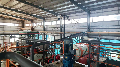
Modular washing systems offer superior processing capacity, configurable from 15 to 100 tons per hour, making them ideal for large-scale industrial site remediation. These systems feature independent modules for feeding, scrubbing, classification, dewatering, and water treatment that can be flexibly combined based on project requirements. While installation typically takes 15 days, the higher throughput delivers better per-ton economics for projects exceeding 50,000 tons of contaminated soil. The DSLX series modular system from Desen Environmental incorporates advanced features such as constant-temperature soaking, multi-stage classification, and automatic dosing for consistent treatment quality.
Making the Right Choice
The decision ultimately depends on project scale, timeline, and site logistics. For projects under 10,000 tons with urgent timelines, mobile systems offer the fastest path to remediation. For brownfield redevelopment programs spanning multiple years, modular systems provide the throughput and cost efficiency needed. Desen Environmental offers both options with the same core washing technology, ensuring consistent treatment performance regardless of the deployment model chosen.