Oil Contaminated Soil Remediation: Thermal Washing vs Traditional Methods
Compare thermal washing soil remediation with incineration and landfill for oil sludge treatment. Desen's system achieves 90% water recycling with 15-100 t/h capacity. Learn which method fits your project.
Oil contaminated soil remediation remains one of the most pressing environmental challenges for the global petroleum industry. With millions of tons of oil sludge generated annually from drilling operations, refinery waste, and pipeline leaks, selecting the right treatment technology directly impacts project cost, timeline, and regulatory compliance. This article compares thermal soil washing with traditional incineration and landfill approaches to help project managers make informed decisions.
The Scale of the Oil Sludge Challenge
Oil sludge accumulates wherever crude oil is extracted, transported, or refined. Storage tank bottoms, oil-water separators, and spill sites all contribute to a growing inventory of oil contaminated soil requiring remediation. Regulatory bodies in the Middle East, Europe, and North America now mandate resource recovery and volume reduction rather than simple disposal—making technology selection more critical than ever.
Traditional Methods: Incineration and Landfill
Incineration burns oil sludge at high temperatures, destroying hydrocarbons but consuming significant fuel and emitting CO₂. The process requires specialized off-site facilities, meaning contaminated soil must be excavated and transported—adding logistics costs and secondary contamination risks. Landfill disposal, while simpler, permanently consumes land capacity and faces increasing regulatory restrictions worldwide. Neither method recovers the crude oil embedded in the sludge, representing a complete loss of valuable resources.
Thermal Soil Washing: A Resource-Recovery Approach
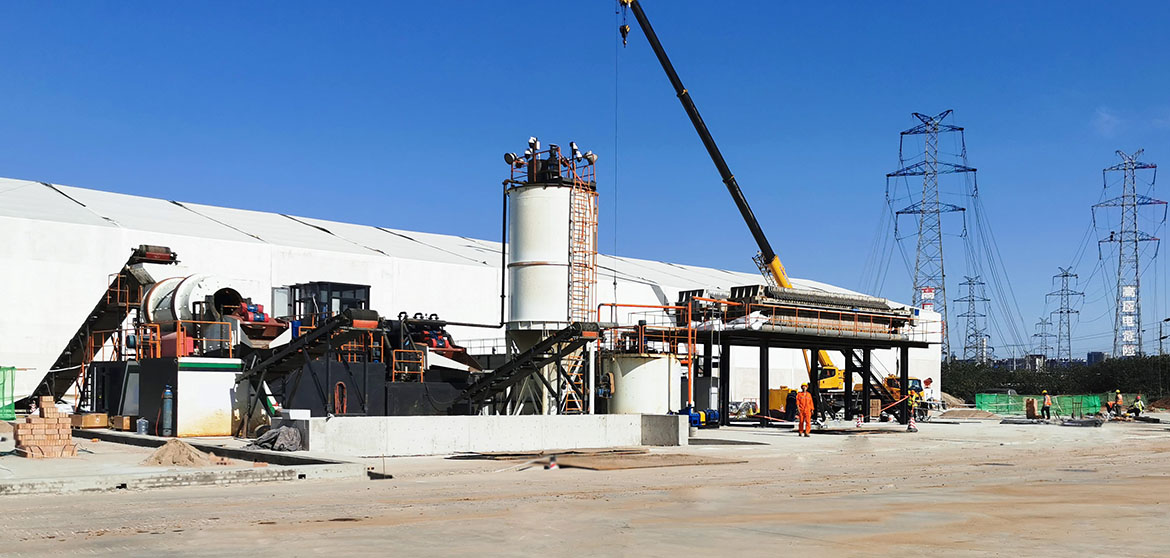
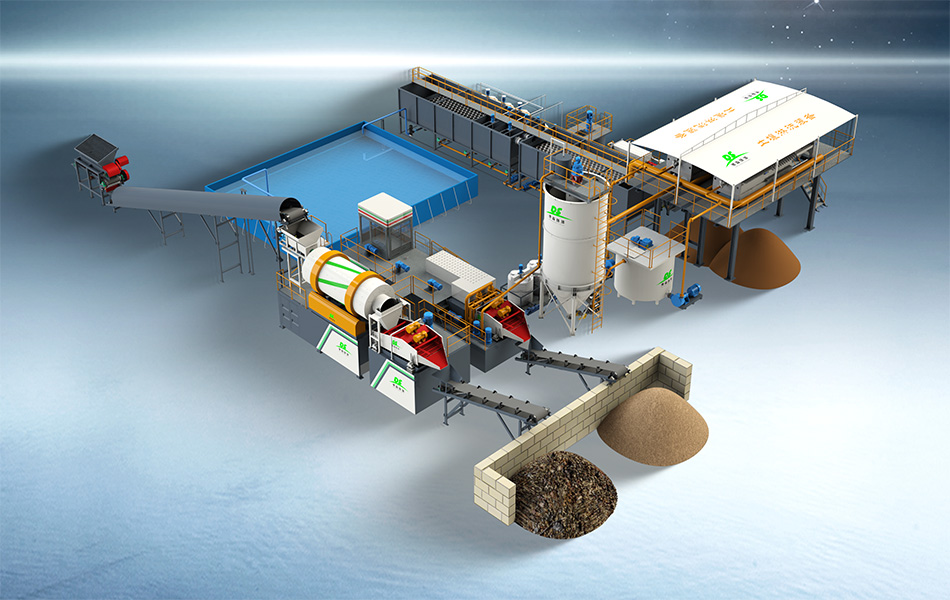
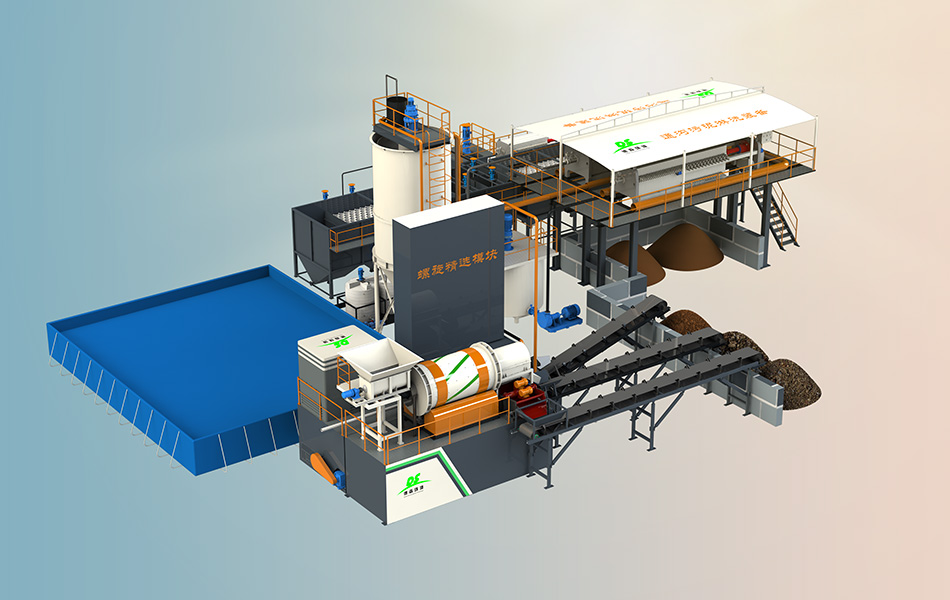
Thermal soil washing equipment from Desen Environmental takes a fundamentally different approach. The system combines heated water, chemical washing agents, and multi-stage mechanical scrubbing to separate oil from soil particles. Key advantages include:
- On-site treatment capability eliminating soil transport costs and risks
- Crude oil recovery up to 5,000 tons from a 100,000-ton project, generating offset revenue
- Water recycling rate exceeding 90% through integrated treatment and reuse
- Processing capacity of 15–100 tons per hour, adaptable to project scale
- Treated soil meets regulatory standards with petroleum hydrocarbon levels below 2,000 mg/kg
Real-World Performance: Abu Dhabi Oil Field Project
Desen's thermal washing system was deployed at an Abu Dhabi oil field remediation project processing approximately 100,000 tons of oil-contaminated soil. Operating in extreme heat exceeding 50°C, the mobile soil remediation equipment maintained stable throughput at 100 tons per hour while recovering over 5,000 tons of crude oil. The project demonstrated that thermal washing can deliver both environmental compliance and economic returns in the most demanding operating conditions.
Choosing the Right Oil Sludge Treatment Approach
For projects requiring regulatory compliance, resource recovery, and cost efficiency, thermal washing represents the most advanced available solution. While incineration may suit small volumes of high-concentration waste and landfill may serve as a last resort, oil contaminated soil remediation via thermal washing delivers the best balance of environmental performance and operational economics. Contact Desen Environmental to evaluate your project's suitability for thermal washing technology.