Mobile Oil-Contaminated Soil Washing: Efficient Remediation for Petroleum Sites
Discover how mobile oil-contaminated soil washing technology achieves TPH reduction below 2,000 mg/kg with over 90% water recycling. Proven results from a 100,000-ton Abu Dhabi project.
Petroleum hydrocarbon contamination is one of the most widespread and challenging environmental issues facing the global oil and gas industry. From aging oil fields to refinery sites and pipeline spills, oil-contaminated soil poses serious risks to groundwater, ecosystems, and human health. Traditional remediation methods such as excavation and landfill disposal are increasingly restricted by environmental regulations worldwide. In this context, mobile soil washing technology has emerged as a proven, cost-effective alternative that transforms hazardous oily waste into reusable materials.
Understanding the Scale of Oil-Contaminated Soil
In the Middle East alone, petroleum hydrocarbon (TPH) contamination accounts for over 50% of all soil pollution cases. Saudi Arabia and the UAE — two of the world's largest oil producers — face millions of tons of legacy contaminated soil from decades of production, transportation, and processing activities. Conventional remediation approaches often involve transporting contaminated soil to centralized treatment facilities, which is logistically complex and expensive when project sites span hundreds of kilometers.
How Mobile Washing Technology Works
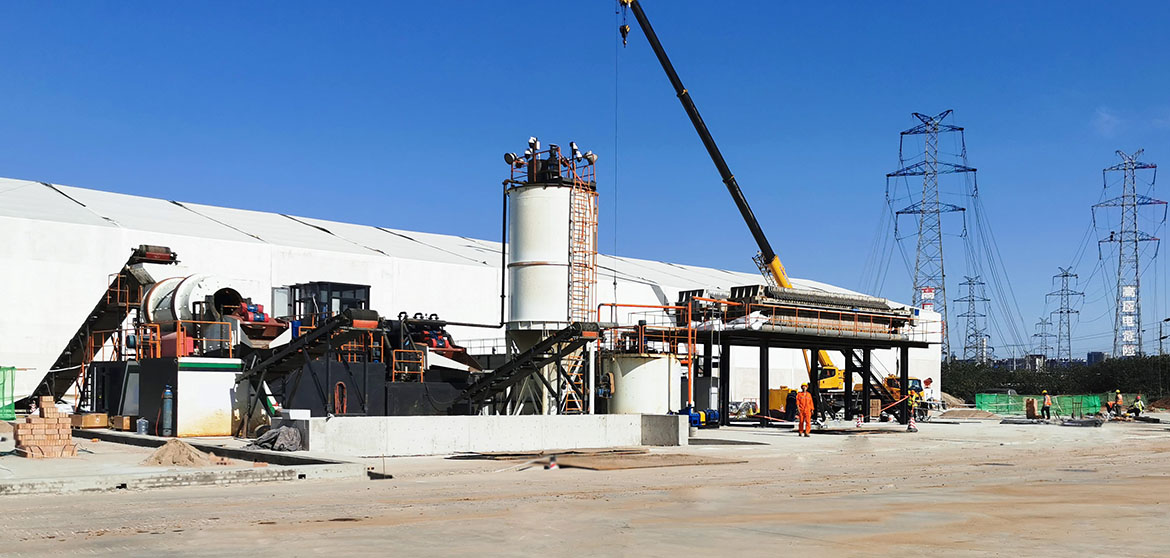
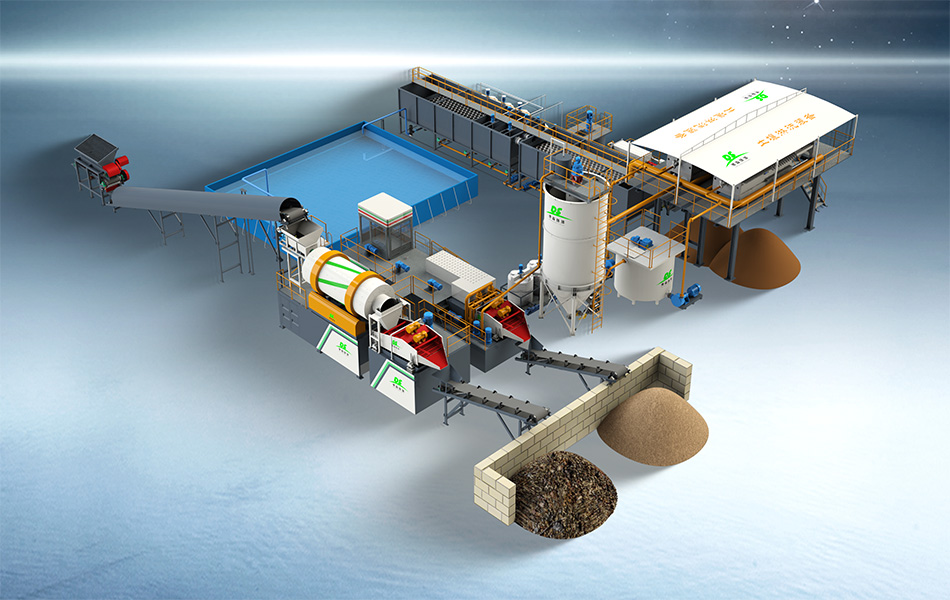
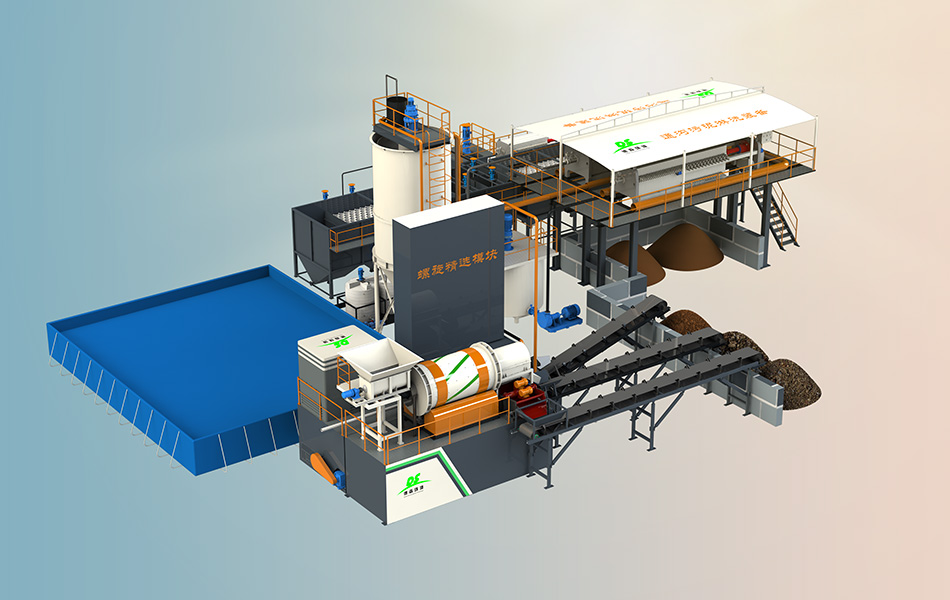
Desen Environmental's oil-contaminated soil washing equipment uses a combination of physical scrubbing, thermal washing, and chemical separation to extract petroleum hydrocarbons from soil particles. The process begins with feeding contaminated material into an integrated scrubbing unit, where high-shear agitation breaks the bond between oil and soil particles. A multi-stage classification system then separates sand, silt, and clay fractions, while a specialized oil-water separation module recovers crude oil for potential reuse.
Key performance metrics include:
- Processing capacity: 15–100 TPH, configurable to project scale
- TPH reduction: from 50,000+ mg/kg down to below 2,000 mg/kg
- Clean aggregate recovery: 70–90% of processed material suitable for reuse
- Water recycling: closed-loop system achieving over 90% reuse
Proven Results: Abu Dhabi Case Study
The technology has been field-validated in one of the world's most demanding environments. At a large-scale remediation project in Abu Dhabi, UAE, the DS-MSW-100 mobile soil washing plant successfully treated approximately 100,000 tons of oil-contaminated soil with an average oil content of 8%. Operating continuously for over six months in ambient temperatures exceeding 45°C, the system recovered roughly 5,000 tons of crude oil while producing clean aggregate that met UAE environmental compliance standards. This project demonstrates that mobile washing technology can deliver reliable, industrial-scale results even in extreme desert conditions.
Environmental and Economic Benefits
Compared to traditional dig-and-haul approaches, on-site soil washing offers significant advantages. Transportation costs and associated carbon emissions are drastically reduced since treatment occurs at the contamination source. The recovery of clean sand and aggregate eliminates the need for backfill material procurement. Perhaps most importantly, the dramatic reduction in hazardous waste volume — typically 70–90% — means that only a small fraction requires final disposal, cutting landfill costs and long-term liability.
For oil field operators, EPC contractors, and environmental service providers seeking a reliable partner for oil-contaminated soil remediation, Desen Environmental offers a complete range of modular and mobile washing systems backed by over 30 successful project references and 2 million cubic meters of cumulative treatment volume.