Mobile Screening Plants in Europe and North America: Turning C&D Waste and Contaminated Soil Into Reusable Aggregate
Mobile screening plants help European and North American contractors recycle C&D waste and screen contaminated soil on site, cutting disposal costs and recovering aggregate.
Construction and demolition (C&D) waste is the largest single waste stream in Europe, and landfill diversion targets keep tightening on both sides of the Atlantic. At the same time, urban redevelopment projects regularly uncover soils that need screening or pretreatment before reuse or disposal. The mobile screening plant sits at the center of both challenges: it separates mixed materials into size fractions on site, converting a disposal liability into a reusable product.
Why screening happens on site, not at the landfill
Every truckload of unprocessed mixed waste carries material that did not need to be hauled. Screening on site changes the economics immediately: oversize rubble goes to crushing, fines are separated for soil blending or disposal, and clean aggregate fractions are recovered for road bases, backfill or new construction. Fewer truck movements, lower gate fees, and recovered material that offsets virgin aggregate purchases.
Desen builds its mobile screening range in three machine families - vibrating screen, rotary (trommel) screen and bar screen - each matched to different feed characteristics, with crawler or trailer mobility according to site requirements.
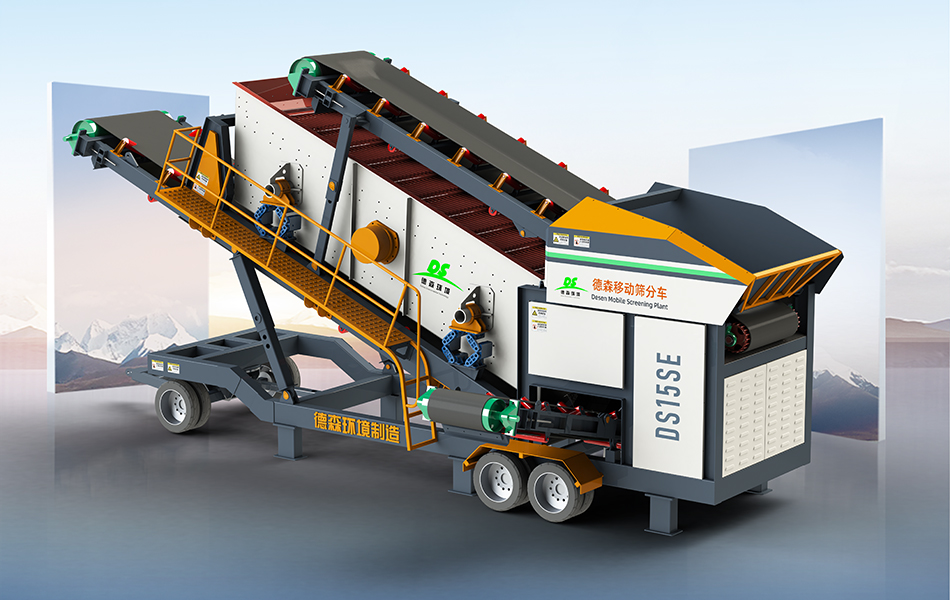
- Mobile vibrating screen plant: multi-layer screening for aggregate production and soil pretreatment, high throughput with low energy consumption.
- Mobile rotary screen plant: clog-resistant trommel action for wet, sticky and mixed C&D feed.
- Mobile bar screen plant: parallel-bar grizzly for high-impact, high-moisture materials such as clay and oil sludge.
Screening as the first stage of soil remediation
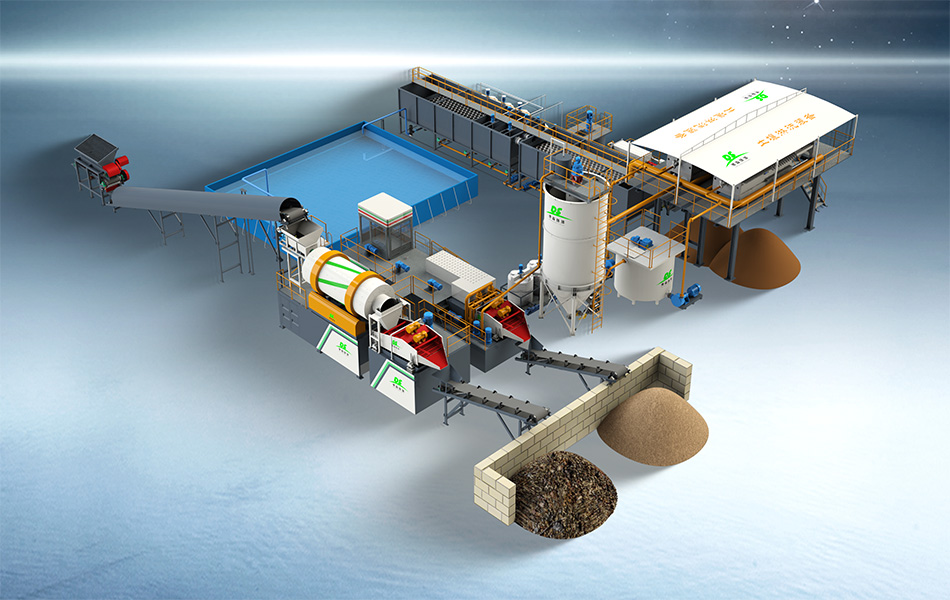
In soil remediation projects, screening is rarely the end goal - it is the pretreatment stage that determines the efficiency of everything downstream. Removing oversize rubble, roots and debris before washing reduces the load on scrubbing equipment and improves the accuracy of contamination separation. Desen's screening plants have served as the pretreatment stage for washing projects treating heavy metal contaminated soil across multiple projects.
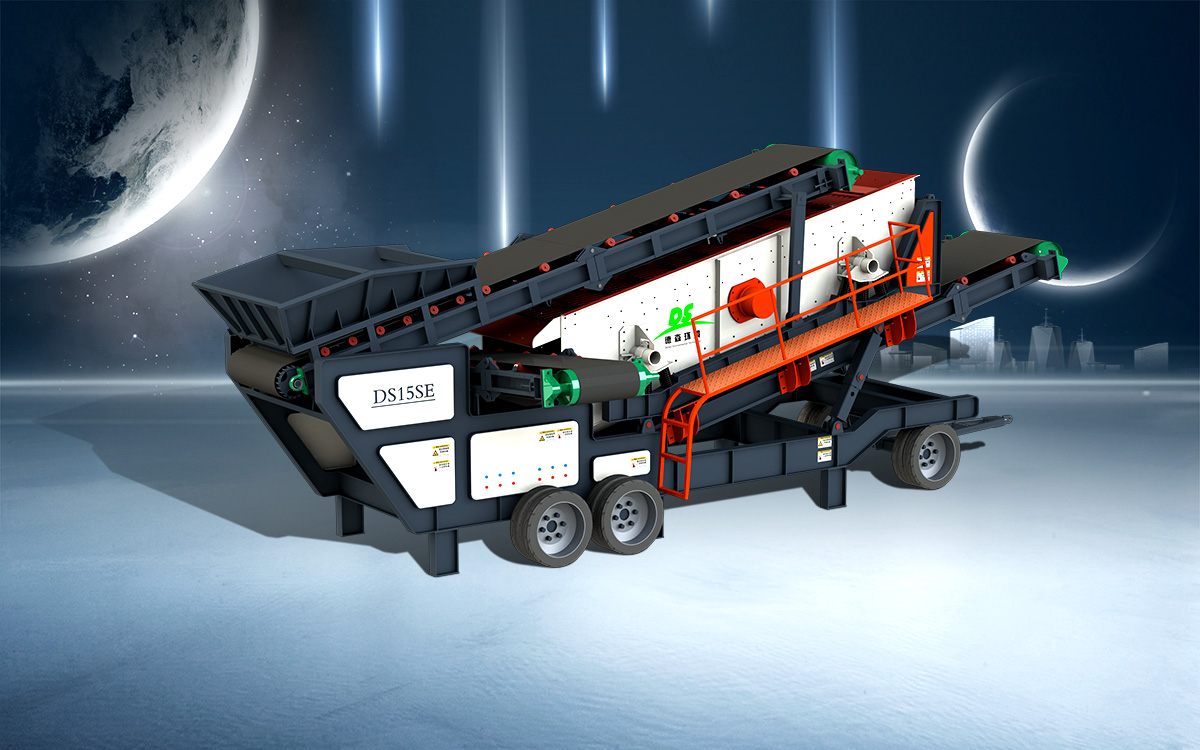
The DS260 and DS15SE mobile screening models both offer 30-150 tons per hour capacity with 28.5 kW total power, two-layer or adjustable multi-layer screen decks, and an 18-degree inclination angle - a configuration that balances throughput with screening accuracy for mixed demolition and contaminated soil feeds.
Compliance and circularity in European markets
European contractors operate under some of the strictest framework conditions in the world: landfill diversion quotas, aggregate recycling targets, and end-of-waste criteria that define when processed material stops being waste. A mobile screening plant directly supports compliance with all three. Material that is screened, tested and certified can re-enter the construction chain as product rather than waste, and on-site processing supports the proximity principle that underpins European waste hierarchy rules.
North American applications: from brownfields to topsoil
In the United States and Canada, mobile screening serves a broader spread of applications: brownfield redevelopment where historical fill needs sizing before reuse decisions, utility and pipeline projects generating excavated soils along the route, topsoil screening for landscaping and land restoration, and demolition contractors recovering aggregate from structure teardown. The trailer-mounted format suits the North American pattern of short, mobilized project windows and long distances between jobs.
Desen equipment references now include the United States, Canada and Mexico, and the company has shipped screening and washing systems to more than 30 countries worldwide. For contractors weighing purchase against rental, screening plants are also the most common entry point into a wider modular equipment fleet - many operators start with a screen, add a washing vehicle for their first remediation contract, and grow from there.
Whether the driver is a landfill tax in Europe or a disposal tip fee in North America, the logic is identical: screening on site converts mixed, contaminated or oversize material into sorted fractions with real market value - and the mobile format puts that capability wherever the next project starts.