Brownfield Soil Washing Project Budget Breakdown: Where the Money Goes on a Contaminated Land Cleanup
A brownfield soil washing project budget breaks down into equipment, mobilization, consumables, disposal of the concentrated fraction and testing. See where a modular plant saves.
Brownfield sites — former gasworks, rail yards, electroplating works and manufacturing land in the middle of cities — carry soil that fails residential or commercial reuse standards, and redevelopment schedules rarely leave room for slow dig-and-haul programs. Soil washing has become a practical option for these sites because it treats soil on site and shrinks the volume that has to leave. Before a developer commits, one question decides everything: what will it cost? A brownfield soil washing project budget breakdown is not a single number. It is a stack of distinct cost blocks, and understanding where the money goes is what separates a realistic tender from a mid-campaign overrun. This article walks through the main blocks and shows how Desen Environmental's modular and mobile washing plants influence each of them.

The Main Cost Blocks in a Brownfield Washing Budget
A washing project budget is typically built from five blocks, and they behave very differently over the life of the campaign:
Equipment: purchase or rental of the washing plant, screening units and water treatment modules.
Mobilization and site setup: transport, offloading, leveling, utility connections and commissioning.
Operation: labor, power, water, fuel and wash additives across the treatment campaign.
Disposal of the concentrated fraction: haulage and gate fees for the dewatered fines that carry the contaminant load.
Verification: sampling, laboratory testing and regulatory reporting that prove the treated soil meets its target criteria.
On most brownfield projects the largest variable is the disposal block. Washing does not destroy heavy metals; it concentrates them into a small fines fraction that must still go to a permitted facility. Every percentage point of volume recovered on site therefore saves money twice — once on haulage and once on gate fees — which is why a washing stage is ultimately judged on its mass balance.
Equipment and mobilization
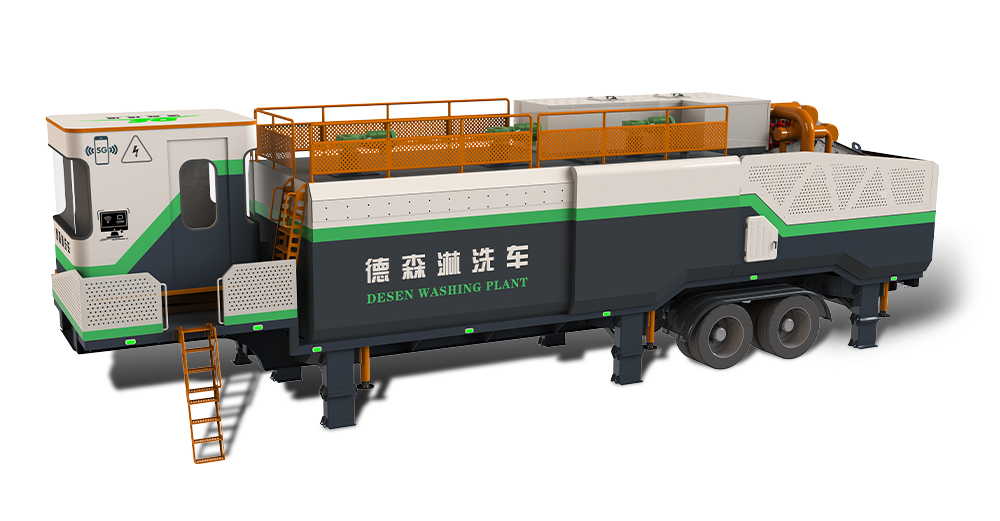
This block depends directly on the plant format. A fixed installation built for one site ties its capital cost to a single project, while a modular or mobile plant can move between sites under the same owner or be rented for a single campaign. Mobilization for a modular system is measured in days: modules arrive on standard trailers, a levelled yard is enough, and no concrete foundations are required. For brownfield projects that run for months inside a fenced compound, the rental-versus-purchase decision usually comes down to total operating days and whether a follow-on project exists.
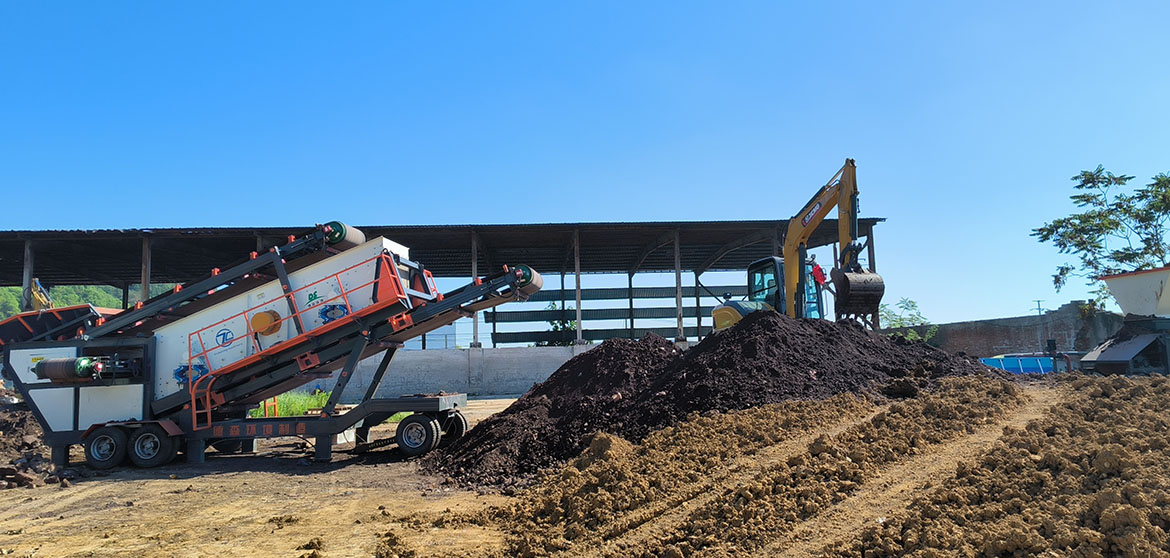
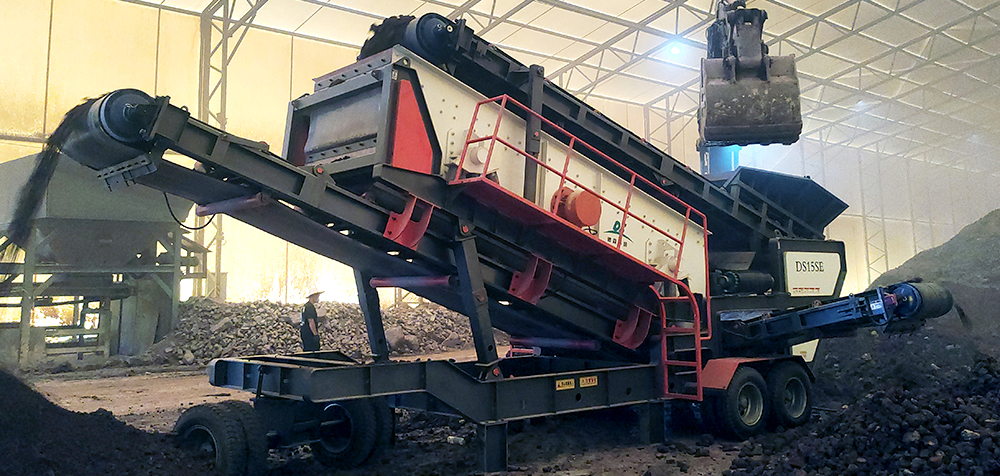
Pre-screening belongs in the budget as well. Feeding the washing plant with oversized material and demolition debris wastes scrubbing capacity and accelerates wear, so a mobile screening unit ahead of the line is standard practice rather than an optional extra.
Operation, consumables and disposal
Operating costs scale with tonnage: power for pumps, screens and the filter press, water topped up through a closed-loop circuit, and small dosages of additives where the contaminant type requires them. The disposal line is calculated from the dewatered cake mass multiplied by the receiving facility's gate fee, and it is the number to confirm early with the disposal contractor, because it is the least controllable item once the campaign starts.
How Plant Choice Moves the Total
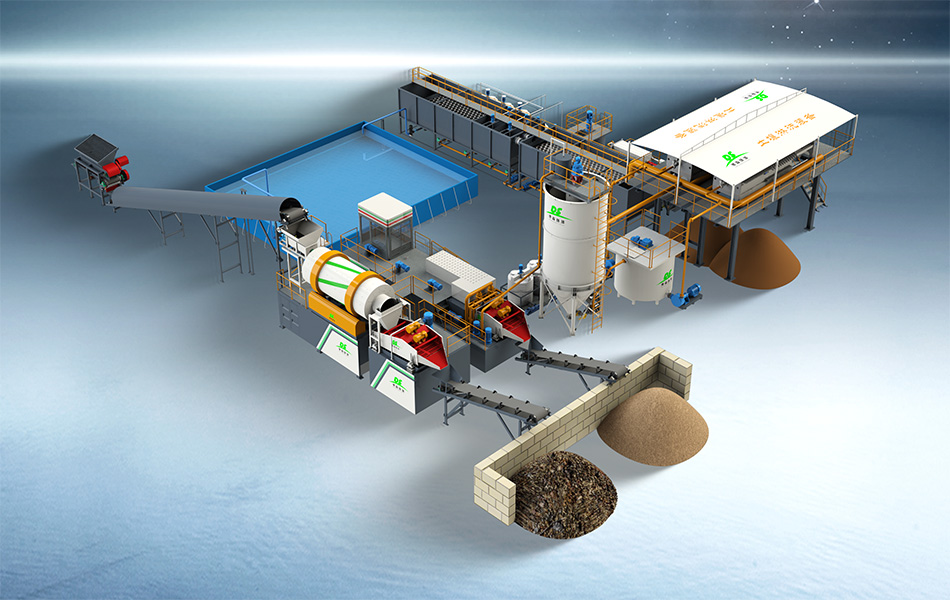
The format of the washing plant touches almost every block of the budget. A modular plant removes most civil works from the equation, cuts mobilization to trailer transport and a levelled surface, and allows the equipment line to be rented instead of purchased. Closed-loop water recycling reduces both the water supply line and the wastewater discharge line. A high mass balance recovery ratio — the share of excavated volume kept on site as cleaned, classified material — directly shrinks the disposal block, which is usually the steepest item per tonne.
Before signing anything, a buyer can pressure-test the quotations against a simple checklist:
Confirm the mass balance target: what share of the excavated volume must stay on site for the disposal line to close.
Price disposal per tonne of dewatered cake, not per tonne of raw soil.
Compare rental and purchase over the full campaign length, including standby days.
Include pre-screening in the flowsheet so the washing stage runs on prepared feed.
Budget the verification campaign from day one; sampling density and laboratory scope are contractual items, not afterthoughts.
What This Means for North American Brownfield Projects
In the United States and Canada, state and provincial cleanup frameworks increasingly accept on-site treatment and reuse of soil, which rewards exactly the economics described above: the more volume a project recovers on site, the smaller its disposal and backfill purchase lines become. Desen Environmental supplies modular and mobile soil washing plants — scrubbing, classification, solid-liquid separation and closed-loop water treatment — sized to the tonnage and duration of brownfield campaigns across North America. For a budget built around your site's soil data and disposal market, contact the Desen team at desengroups@gmail.com or visit www.materialwashing.com.