Soil Remediation Equipment Export Certification CE: What Buyers Should Check Before Ordering
Soil remediation equipment export certification CE decides whether a washing plant can legally run on a European site. See the directives, documents and checks buyers should require from suppliers.
Soil Remediation Equipment Export Certification CE: What Buyers Should Check Before Ordering
Importing a soil washing plant from outside the European Union involves more than comparing capacity, footprint and price. Every machine placed on the EU market must carry the CE mark, and for cross-border purchases the soil remediation equipment export certification CE process is the buyer's first assurance that the plant can be legally customs-cleared, installed and operated on a European site. This article explains which directives apply to soil washing and screening equipment, which documents a supplier must hand over, and how Desen Environmental prepares its modular and mobile plants for export projects across Europe, the Middle East, Southeast Asia, North America and South Africa.
What CE Certification Actually Covers for Soil Remediation Equipment
CE marking is often misunderstood as a general quality label. In law it is the manufacturer's declaration that a product satisfies the essential health, safety and environmental requirements of every EU directive that applies to it. For a soil washing or screening plant, several directives normally apply at the same time:
Machinery Directive 2006/42/EC, covering mechanical hazards such as moving conveyors, rotating screens, pressurized hydraulics and access platforms. It is being replaced by the Machinery Regulation (EU) 2023/1230, which applies from January 2027, so contract documents should reference both.
EMC Directive 2014/30/EU, covering electromagnetic compatibility of control cabinets, variable frequency drives and sensors on the plant.
Low Voltage Directive 2014/35/EU, covering the safety of electrical equipment within defined voltage ranges.
Outdoor Noise Directive 2000/14/EC, which sets noise limits and marking duties for many types of equipment used outdoors.
Depending on the application, further legislation can come into play. A plant that treats petroleum-contaminated soil, for example, may include components where explosive atmospheres are conceivable, and the ATEX directives then become relevant for those components. A competent supplier identifies the applicable directives at the design stage instead of discovering them at customs.
The Standards Behind the Declaration
The directives state goals, not detailed engineering rules. In practice, manufacturers demonstrate conformity through harmonized European standards, which grant a presumption of conformity. Two of the most relevant for washing and screening plants are EN ISO 12100, the method for risk assessment and risk reduction across the machine life cycle, and EN 60204-1, the standard for the electrical equipment of machines, which governs control circuits, emergency stop functions and protection against electric shock. When a supplier quotes these standards in its declaration, a buyer can verify the technical basis of the claim rather than trusting a logo.
The Documentation a Serious Supplier Must Provide
A CE mark on the nameplate is only as credible as the paperwork behind it. Before placing an order, buyers should require the following set of documents and check that they refer to the exact plant being purchased:
An EU Declaration of Conformity listing the applicable directives and the harmonized standards used.
A technical file, including the risk assessment, drawings and test records, which the manufacturer must keep available for ten years after production.
Operating and maintenance instructions supplied in the language of the destination country.
A nameplate carrying the CE mark, the machine designation, the serial number and the details of the manufacturer or its authorized representative in the EU.
If any of these items is missing, the plant may be stopped at customs, refused by the site operator or rejected during an inspection by local labor authorities, and retrofitting safety functions after delivery is far more expensive than building them in at the factory.
Beyond CE: Other Export Questions to Settle Early
CE conformity applies to the European Economic Area, so buyers in North America, the Middle East or Southeast Asia should clarify the equivalent local requirements, such as CSA or UL listings for electrical components in parts of North America. Voltage and frequency also differ by market: a plant built for a 400 V 50 Hz grid cannot simply run on a 415 V 60 Hz supply without adaptation of motors and drives. Sea freight packing, container or flat-rack dimensions and the availability of wearing parts during the first two years of operation should be agreed in writing before shipment.
How Desen Prepares Modular and Mobile Plants for Export
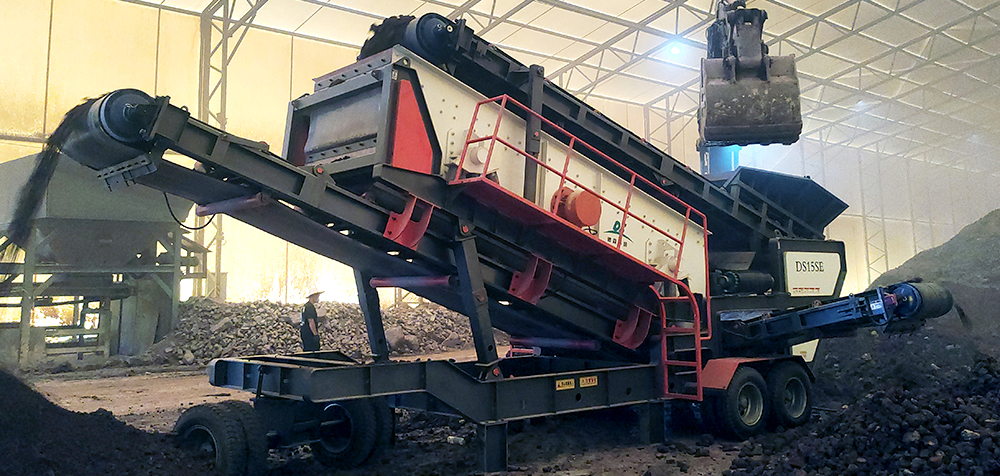
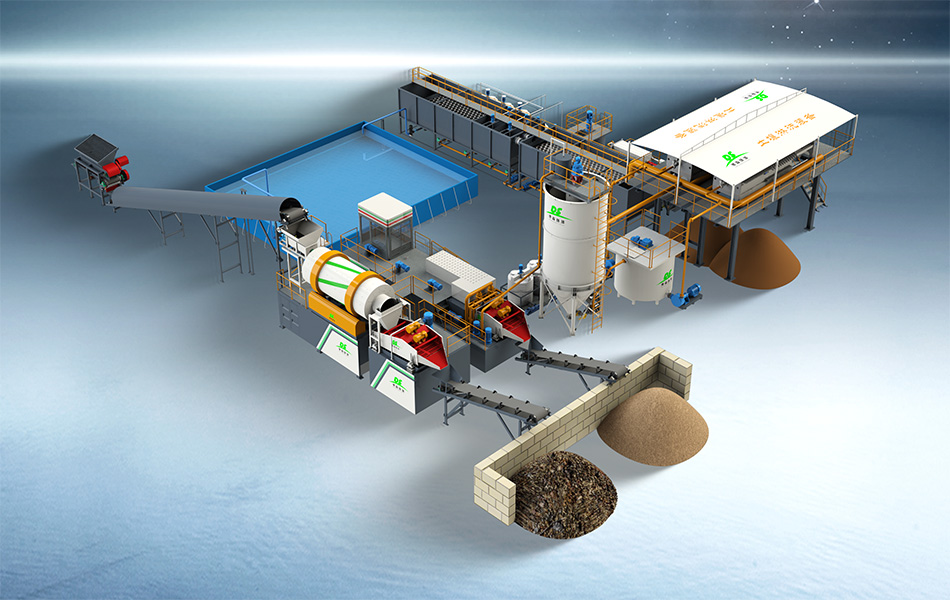
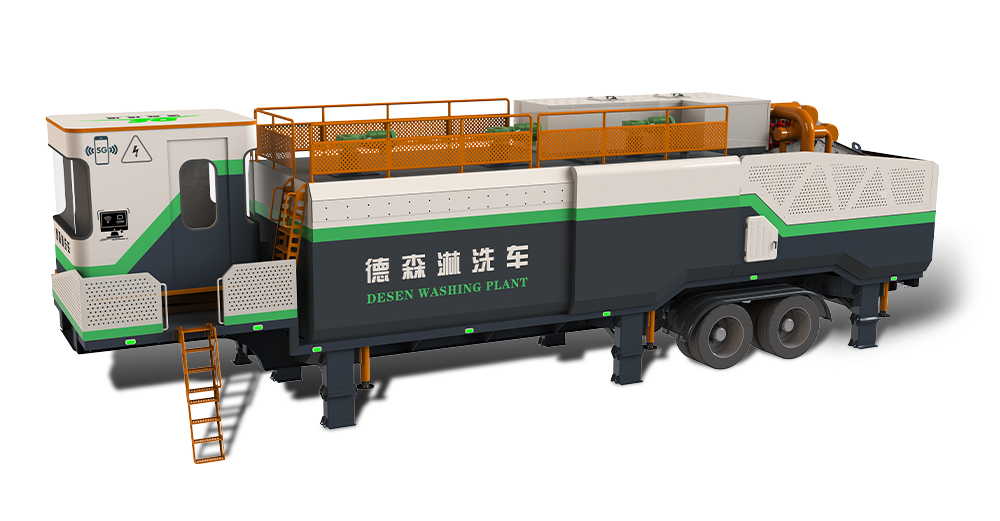
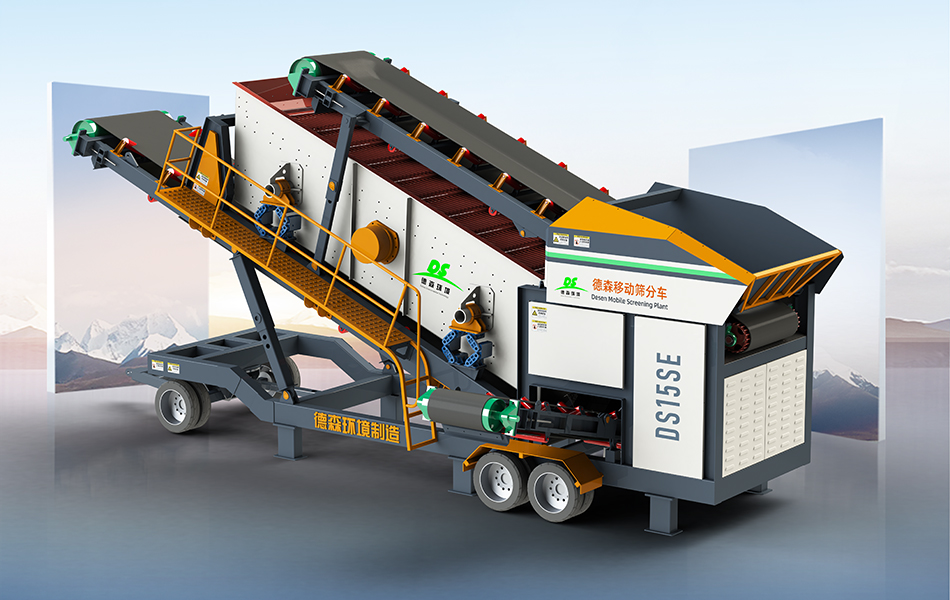
Desen Environmental designs and manufactures modular soil washing plants, trailer-mounted mobile washing plants and mobile screening equipment for international remediation projects. For export orders the company carries out the risk assessment at the design stage, builds the electrical systems in line with EN 60204-1, and supplies the complete conformity documentation package with the machine. Factory acceptance tests are offered so that the customer can witness the plant running under load before it leaves the works, and commissioning teams support installation and operator training on site.
For procurement teams, the practical takeaway is a short checklist: confirm the applicable directives, demand the declaration and technical file, match the nameplate data to the contract, and agree the electrical configuration and spare parts plan before the order is signed. A supplier that handles these points routinely is far easier to work with than one that treats certification as a formality added after the plant is built.