Mobile Soil Washing Unit Hydraulic Leveling Setup: A Fast Deployment Guide for Soft Ground Sites
A practical hydraulic leveling setup guide for mobile soil washing units: ground preparation, outrigger extension and locking, level checks, and deployment tips for soft tropical sites.
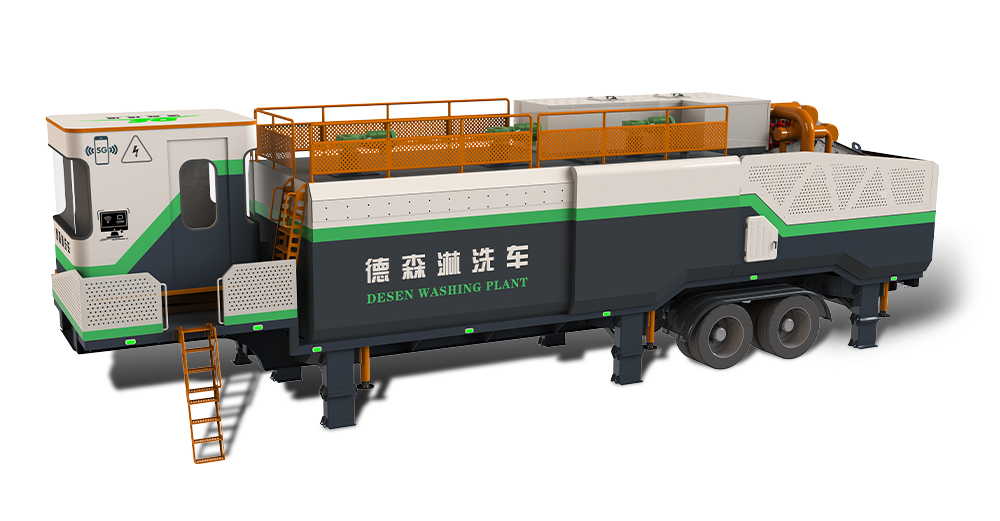
A mobile soil washing unit earns its value in the first hours on site. Once the trailer is in position, the difference between a clean, stable washing cycle and a day of troubleshooting usually comes down to one step: hydraulic leveling. On tropical project sites across Southeast Asia, where soft ground and seasonal rain are common, a disciplined leveling setup protects both the equipment and the washing results. This guide walks through the practical sequence our engineers follow when a Desen mobile soil washing unit is deployed for soil remediation work.
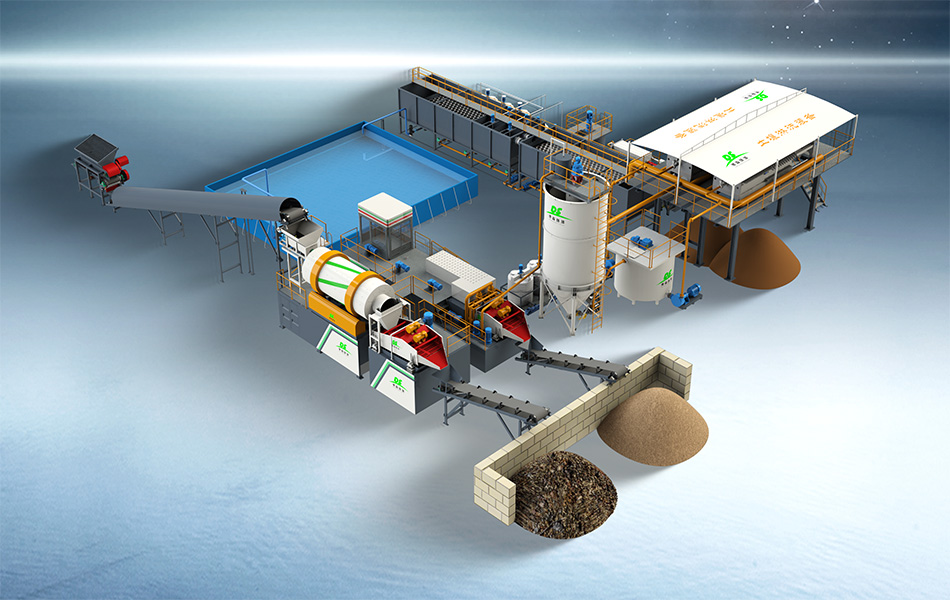
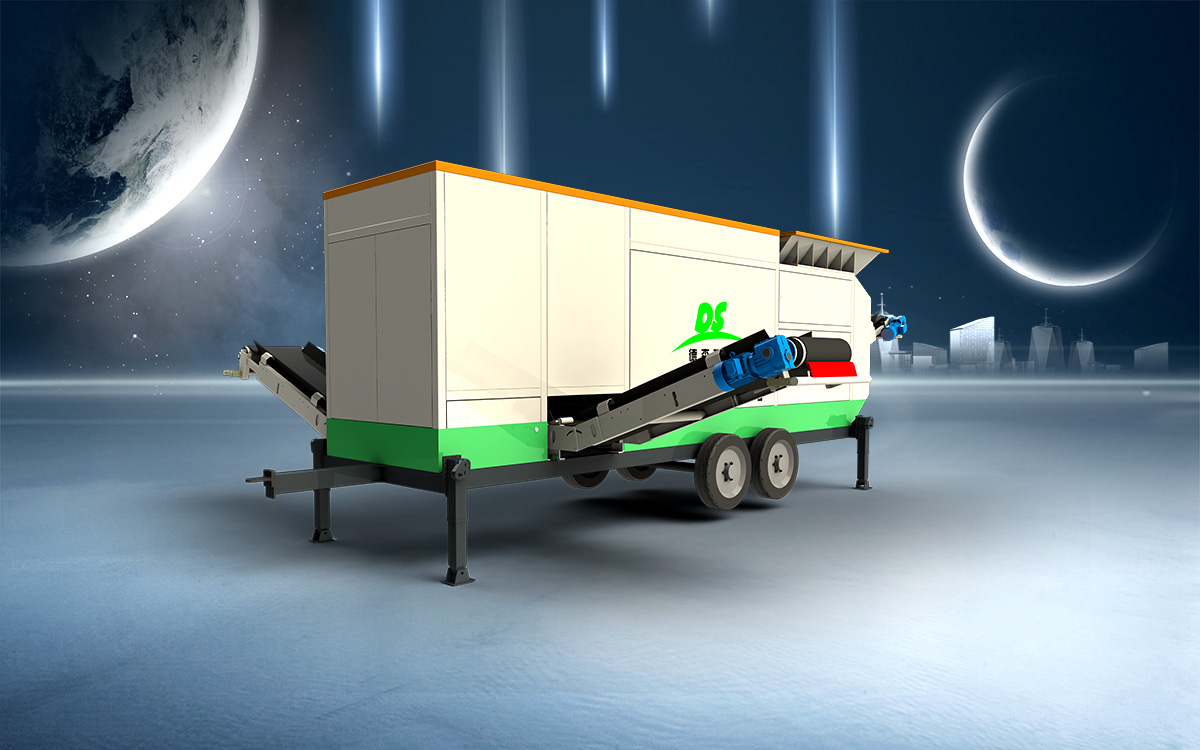
Before any soil is fed into the system, it helps to picture what the unit is doing. A typical mobile configuration integrates pre-screening, scrubbing, classification, and fines management on a compact chassis, echoing the process layout of a full modular washing line.
Why Hydraulic Leveling Comes Before Everything Else
Leveling is not a formality. The washing process depends on controlled water flow and gravity-driven classification, and an out-of-level chassis quietly undermines both. When the frame tilts even a few degrees, operators may notice the following problems within the first feed batch:
- Screen classification drifts. An inclined screen deck moves material unevenly, so sand fractions carry excess fines and the overflow stream thickens.
- Pumps lose efficiency. Slurry pumps and water pumps are calibrated for level operation; tilting changes intake conditions and can cause cavitation or uneven wear.
- Sediment and water tanks become unbalanced. Settling behavior shifts, which shortens the effective residence time and pushes suspended solids into the recycled water loop.
- Conveyor belts start to track sideways. Belt misalignment wears edges faster and increases the risk of spillage around the feed hopper.
- The frame carries uneven stress. Over days of continuous washing, a twisted chassis accelerates bolt loosening and hydraulic fitting leaks.
Each of these faults looks like a process problem, but the root cause is mechanical. Ten minutes of leveling work prevents hours of adjustment later.
The Hydraulic Leveling Setup, Step by Step
Prepare the bearing surface first
Survey the parking position before extending anything. Clear loose soil, debris, and standing water, then assess the bearing capacity of the ground. On soft or recently backfilled ground, lay steel plates, timber mats, or a compacted gravel pad under each outrigger footprint so the load spreads across a stable area rather than punching into the subgrade.
Extend and lock the outriggers
With the tractor unit detached and the parking brake set, extend the hydraulic support legs at each corner. Desen mobile washing units use independent outrigger circuits, so each leg can be extended or retracted individually until the chassis sits level in both directions. Extend the legs until they take firm contact, then set the mechanical locks where fitted so that hydraulic pressure alone is never carrying the load.
Check level and re-verify under load
A spirit level or digital inclinometer on the main frame confirms the chassis in both the longitudinal and transverse directions. After the first feed batch, re-check the readings: loaded hoppers and full water circuits add weight in specific positions, and a small settling shift is normal on soft ground. If movement exceeds a few tenths of a degree, re-extend the affected leg and re-compact the pad beneath it.
Site Factors That Matter in Southeast Asia
Tropical remediation sites add a few conditions worth planning for. Rainfall is the most obvious: position the unit so surface runoff drains away from the outrigger pads, and check the pads again after heavy rain, because saturated ground can lose bearing capacity overnight. Where the water table is high, a layer of compacted crushed stone under each pad position is a low-cost safeguard.
Access routes matter as well. Confirm that the hauling route into the treatment area can carry the loaded unit, and keep a clear working radius around the extended support legs so that excavators feeding the hopper never pass over an outrigger line. Finally, in humid coastal climates, inspect hydraulic connectors and electrical cabinets during every leveling check; early detection of moisture ingress is far cheaper than a mid-project repair.
Handled this way, a mobile soil washing unit can move from arrival to a stable washing cycle within a single working day. Zhengzhou Desen Environmental Technology Co., Ltd. supplies trailer mounted and modular soil washing equipment for contaminated land projects across Southeast Asia, the Middle East, Europe, and North America, and provides commissioning guidance covering site preparation, leveling, and first-cycle operation. For deployment questions on a specific site, the engineering team can review ground conditions and recommend the appropriate pad and outrigger arrangement before the equipment ships.