Hexavalent Chromium Soil Washing: On-Site Reduction and Washing Treatment for Contaminated Land
How on-site washing and reduction treat hexavalent chromium contaminated soil: reduction chemistry, plant setup, clean fraction recovery, and safe disposal of residuals.
Hexavalent chromium, usually written as Cr(VI), is one of the most difficult contaminants a remediation contractor can face on a former industrial site. It is toxic, soluble, and mobile in groundwater, and it typically sits under plating shops, alloy works, and tanneries in the older industrial districts of North American cities. Digging the soil up and hauling it to a landfill solves the liability on paper, but disposal costs keep rising and the volume involved is often larger than expected. On-site soil washing combined with reduction treatment offers a different path: treat the soil where it was excavated, convert the dangerous Cr(VI) fraction into a far less hazardous form, and return the clean coarse fraction to productive use.
Why Hexavalent Chromium Contaminated Land Needs Reduction, Not Just Relocation
Chromium in soil exists mainly in two oxidation states. Trivalent chromium, Cr(III), is relatively immobile and of low toxicity at typical environmental concentrations. Hexavalent chromium behaves very differently: it dissolves easily, travels with infiltrating water, and carries health risks that regulators treat with great caution. Because Cr(VI) can migrate from an untreated stockpile into groundwater, simply moving contaminated soil from one corner of a site to another is not a durable answer, and North American screening levels for the hexavalent form are correspondingly strict.
The practical objective of reduction treatment is chemical: convert Cr(VI) into Cr(III), which then tends to stay bound in the soil matrix. Washing then works alongside that chemistry, because chromium attachments concentrate on fine particles and on surface coatings of coarser grains. Typical sites where this combination is required include:
- Former electroplating and metal finishing shops with chromic acid bath residues
- Stainless steel and alloy production areas with scale and dust deposits
- Leather tanneries that used chromate-based tanning liquors
- Pigment and paint manufacturing plots handling lead chromate products
- Wood preservation yards where chromated copper arsenate solutions were stored
- Aerospace and defense maintenance facilities with chromate conversion coatings
How On-Site Soil Washing and Reduction Treatment Work Together
Feed Preparation and On-Site Screening
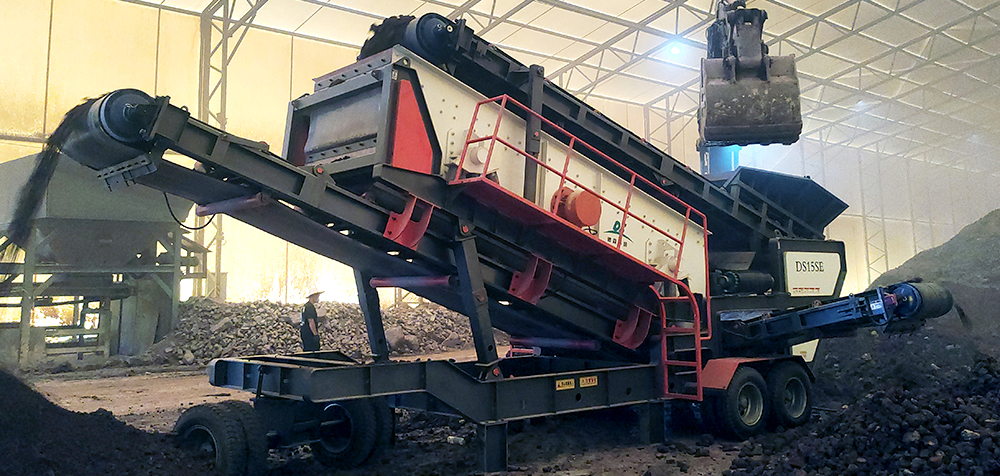
Effective treatment starts with disciplined feed preparation. Oversized debris, demolition fragments, and organic matter are removed first, and the soil is screened to a manageable top size so that the washing process sees a consistent material. A mobile soil washing plant can be set up close to the excavation, which matters on chromium sites because every extra transfer of hexavalent-contaminated material is a transfer that must be controlled. In the arrangement shown below, an excavator feeds contaminated soil directly into a mobile plant positioned inside a remediation shed, keeping handling distances short and dust under control.
Reduction Chemistry: Converting Cr(VI) to Cr(III)
Reduction is the step that addresses the core hazard. Under controlled pH conditions, a reductant dosing stage converts soluble hexavalent chromium into trivalent chromium. Ferrous sulfate and sulfite-based reductants are the families most commonly applied in soil and groundwater practice. Dosing rates are set by bench tests on the actual site soil, and treated fractions are verified with laboratory leaching and speciation analysis before any material is confirmed as clean. Getting this step right turns a groundwater-threatening contaminant into a form that ordinary washing and disposal logic can handle.
Washing and Classification of the Treated Soil
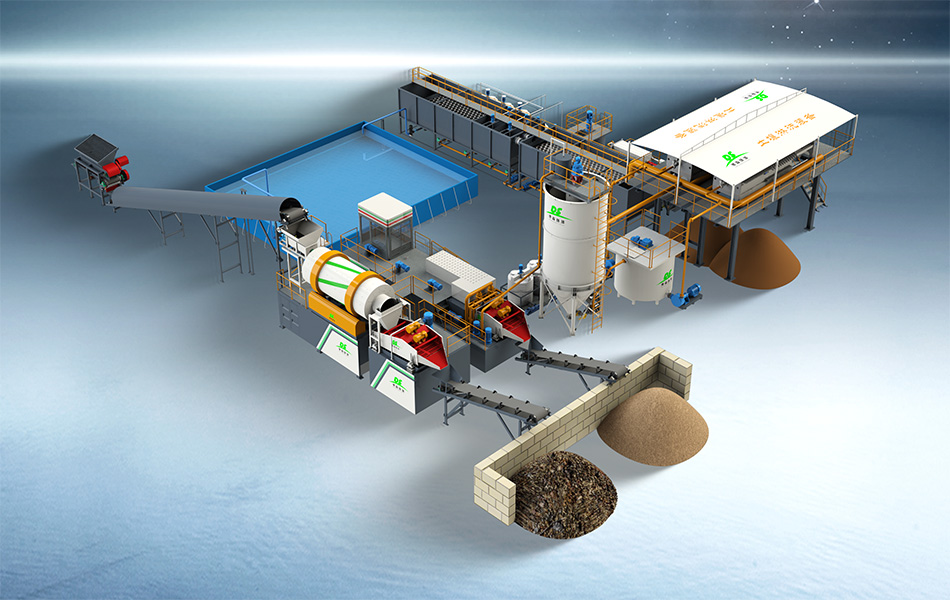
Once reduction is secured, the mechanical work begins. Attrition scrubbing breaks up the coatings and cemented films where chromium compounds cling, and subsequent screen and hydrocyclone classification splits the material by size. Clean sand and gravel fractions, which usually make up the majority of the excavated volume, can be verified and certified for reuse on site. Fine particles and process slurry carry the concentrated contaminant load, which brings the workflow to its final stage.
Managing the Contaminated Fine Fraction
The fine fraction is where the treatment economics are decided. Instead of landfilling the whole excavation, only this concentrated residual leaves the site. Dewatering equipment, such as a filter press, turns the slurry into compact cake that a licensed facility can accept, and closed-loop water recycling returns process water to the washing circuit instead of discharging it. The volume reduction is substantial, and with it the disposal bill.

Why a Mobile Plant Suits Chromium Remediation Projects
Chromium sites are frequently small, urban, and phased, which is exactly the profile where mobile washing equipment outperforms a fixed installation:
- The plant moves to the excavation, so hexavalent-contaminated soil is hauled a few meters instead of a few hundred kilometers
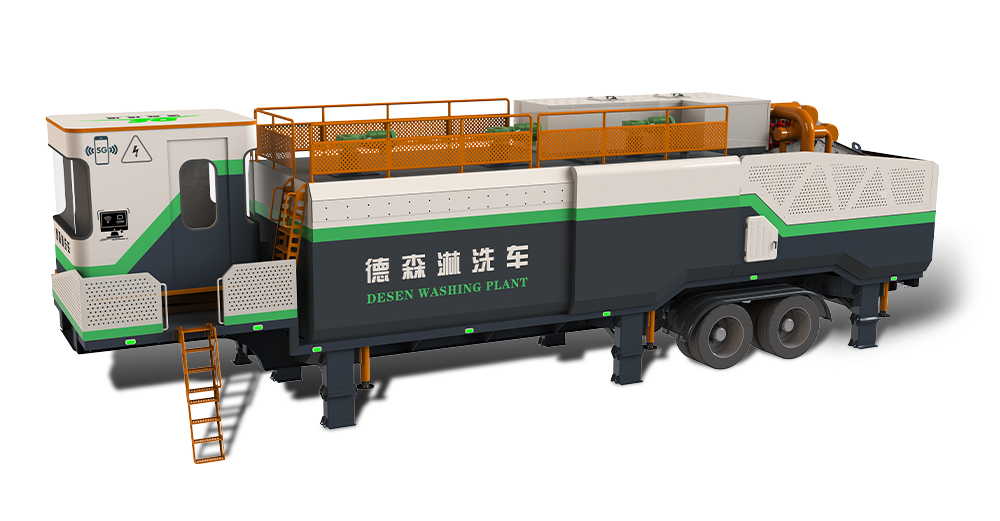
- Hydraulic setup and demobilization let the plant follow the remediation sequence from zone to zone
- Closed-loop water management limits secondary pollution and simplifies permitting
- Modular throughput can be scaled to the confirmed treated volume after bench testing
Desen Environmental manufactures modular and mobile soil washing plants used for heavy metal remediation projects, including hexavalent chromium sites. Before any plant is shipped, our engineers review the site soil data and bench-scale reduction results, then configure the reduction dosing, scrubbing, and dewatering stages to match. If you are evaluating on-site treatment for a chromium contaminated property, send your soil analysis to desengroups@gmail.com and we will prepare a treatment concept with realistic volume reduction figures.