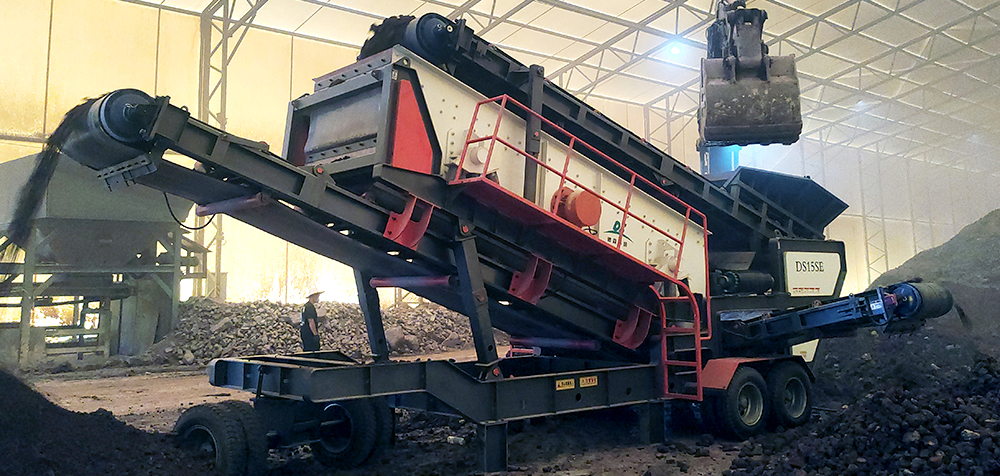
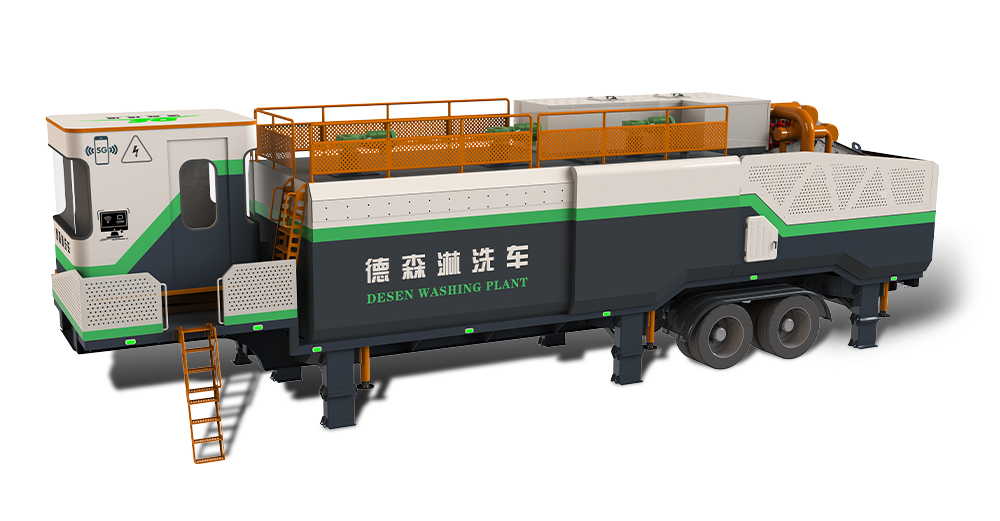
How to Choose a Soil Washing Equipment Supplier: An Inquiry Checklist for Remediation Projects
How to choose a soil washing equipment supplier: prepare the right soil data, tell a manufacturer from a reseller, and compare quotations on total project cost with a practical checklist.
Choosing a soil washing equipment supplier is the decision that shapes every later stage of a remediation project: the throughput you actually achieve, the share of soil you can return to site, and the cost per tonne across the whole campaign. Quotations, however, rarely look alike. One supplier prices a bare washing line, another includes dewatering and water treatment, and a third offers a lower figure for equipment that cannot handle your soil at all. This article sets out a practical inquiry checklist that buyers in the Middle East, Europe, Southeast Asia, North America and South Africa can apply before signing, based on how Desen Environmental works with its project customers.
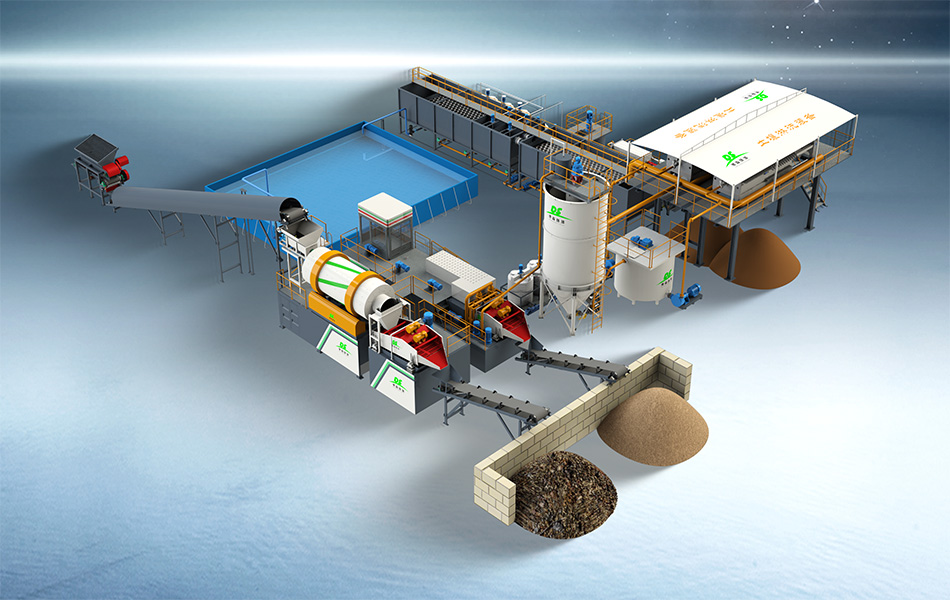
Start With Soil Data, Not With the Catalogue
A serious supplier will ask for soil information before quoting, because washing performance depends on particle size distribution more than on any other single factor. Contaminants concentrate in the fine fraction, so the share of silt and clay decides how much soil can be cleaned and reused and how much ends up as a dewatered cake for disposal. Before you send an inquiry, prepare the following:
A particle size analysis, at minimum the sand, silt and clay percentages.
The target contaminants, their concentrations and the cleanup standard that applies.
The total volume to treat and the project timeline.
Site conditions: available area, power supply, water source and discharge permissions.
If a supplier quotes confidently without asking for any of this, the quotation is built on assumptions that you will pay for later. Desen normally requests representative samples as well, so that the proposed process can be checked against your material instead of against a similar project elsewhere.
Ask for a process proposal, not only a price
A complete offer should describe the process route — attrition scrubbing, classification, fines dewatering and wash water treatment — together with an equipment list and an expected mass balance for your soil: what percentage comes back as clean coarse material and what percentage leaves the site as concentrated fines. These numbers let you compare offers on recovery rate and disposal volume, which matter far more to project economics than the equipment price alone.
Tell a Manufacturer From a Reseller
The market includes genuine manufacturers, trading companies and assembly workshops, and they are not always easy to distinguish from a product brochure. The difference shows up years later, in spare parts availability, in process adjustments when your soil changes, and in how quickly an engineer can reach the site. Before shortlisting a supplier, verify:
Whether the factory produces the core machines itself — drum scrubbers, classification screens, dewatering units — or assembles purchased parts.
Production capability you can inspect, ideally through a factory visit or a live video audit of the workshop.
Reference projects with dates, soil types and, where confidentiality allows, contactable customers.
After-sales structure: spare parts stock, remote support and the availability of engineers for commissioning abroad.
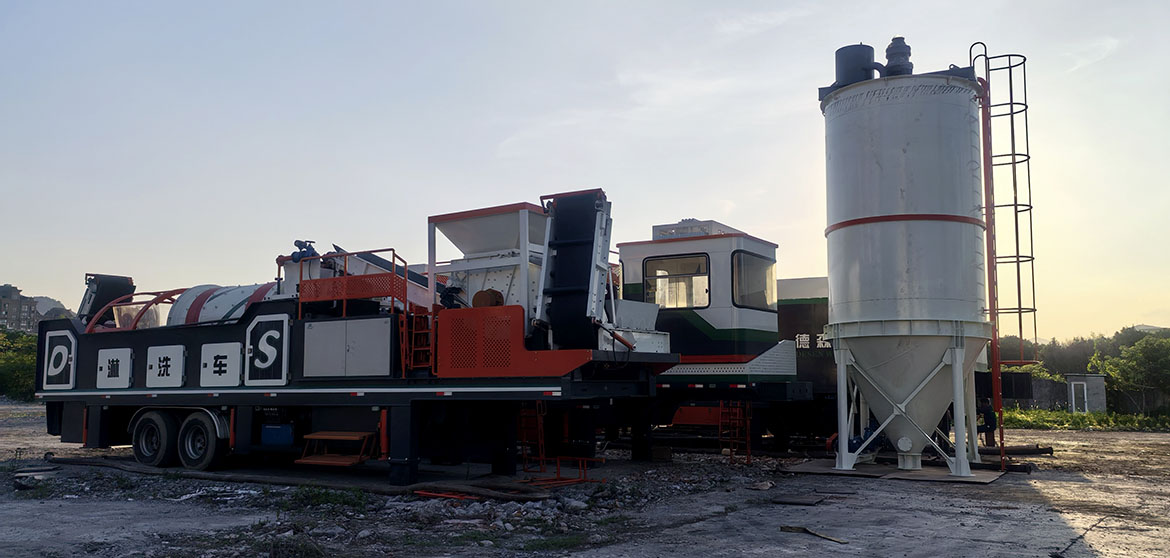
Check evidence from operating sites
Photographs of a machine on a trailer are easy to produce; photographs of a complete line running, with feed stockpiles, treated output and staff on site, are harder to fake. Ask for recent site videos and pay attention to details: is the equipment actually processing material, are there stockpiles of treated output, does the layout match what was quoted. Desen's reference installations — from heavy metal contaminated soil in central China to dredged sediment projects in coastal provinces — are documented with operating parameters precisely so that buyers can perform this check.
Compare Quotations on Total Project Cost
The lowest purchase price is rarely the lowest project cost. When two quotations differ by a wide margin, the gap is usually in the scope rather than in the price. To compare fairly, normalize every offer against the same items:
Scope: does the price include dewatering, water treatment and electrical control, or only the washing modules?
Commissioning, operator training and the first set of wear parts.
Freight, unloading and installation support at the project site.
Consumables and energy assumptions, in writing, for your soil.
The expected mass balance, so disposal and backfill costs can be planned.
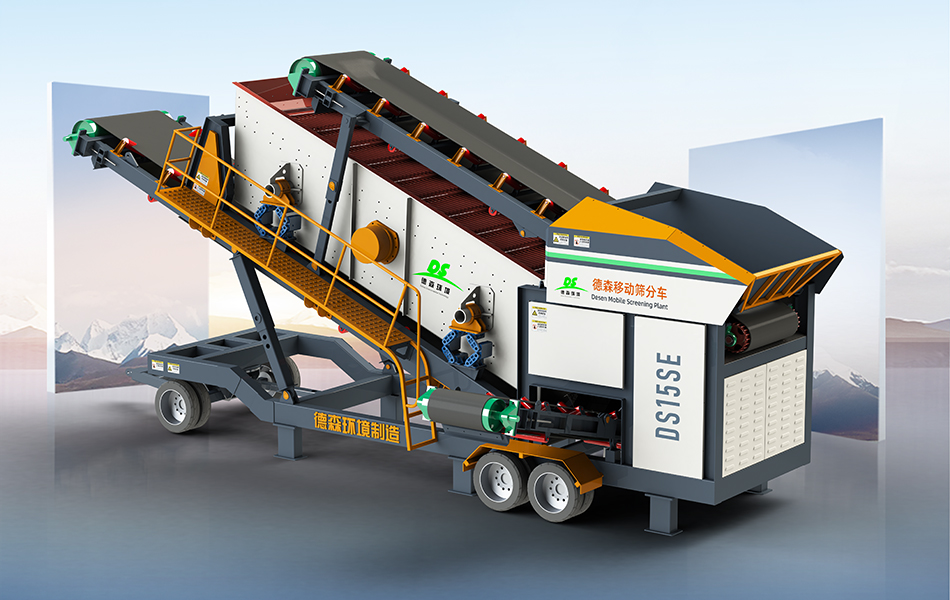
A supplier that answers these points with specific numbers is one that has built plants like yours before. Desen Environmental, based in Zhengzhou, China, manufactures modular and mobile soil washing and screening equipment and supports projects from inquiry through commissioning with documented test data. Send your soil analysis to materialwashing.com for a proposal built on your material, not on assumptions.