Soil Washing Plant Commissioning and Training: Getting an Overseas Remediation Project Running Faster
Soil washing plant commissioning and training decide how quickly a remediation project reaches design capacity. See the Desen commissioning steps and operator training program for overseas sites.
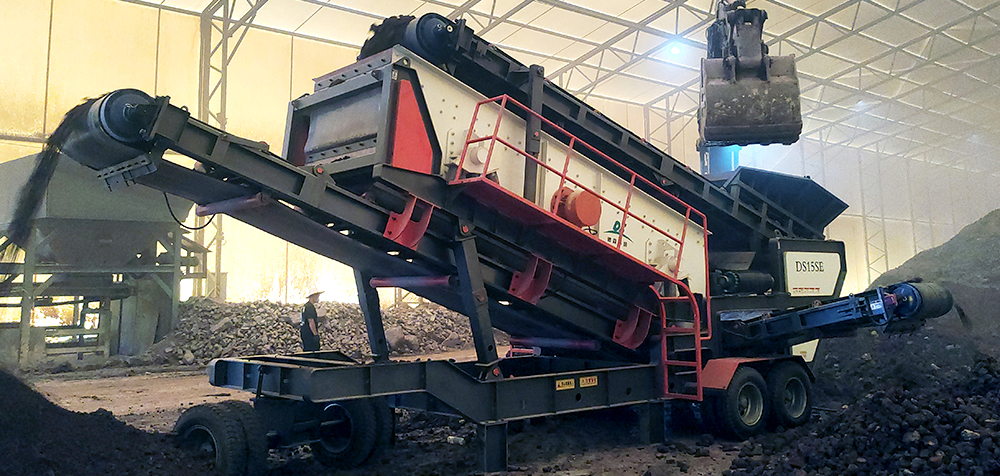
A soil washing plant that arrives at a remediation site in the Middle East or Southeast Asia does not produce clean soil on the first morning. Between delivery and stable production sits a short but decisive phase: commissioning and operator training. Soil washing plant commissioning and training determine how quickly the plant reaches its design throughput, how safely it runs, and how much of the cleaned soil actually meets the project specification. Desen Environmental includes a structured commissioning and training program with every modular and mobile washing plant it exports, because experience shows that most early problems on overseas projects come from setup and handling rather than from the equipment itself.
What Commissioning Involves Before the First Tonne
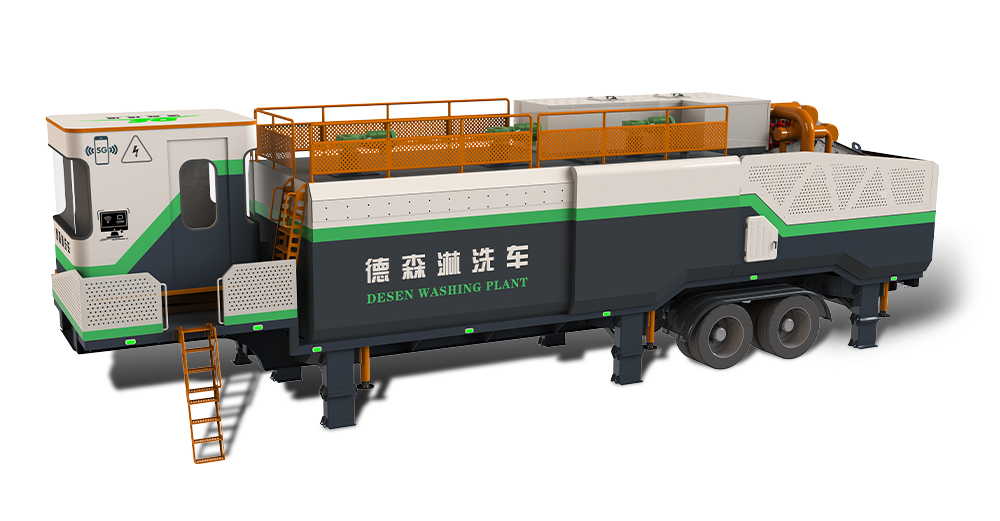
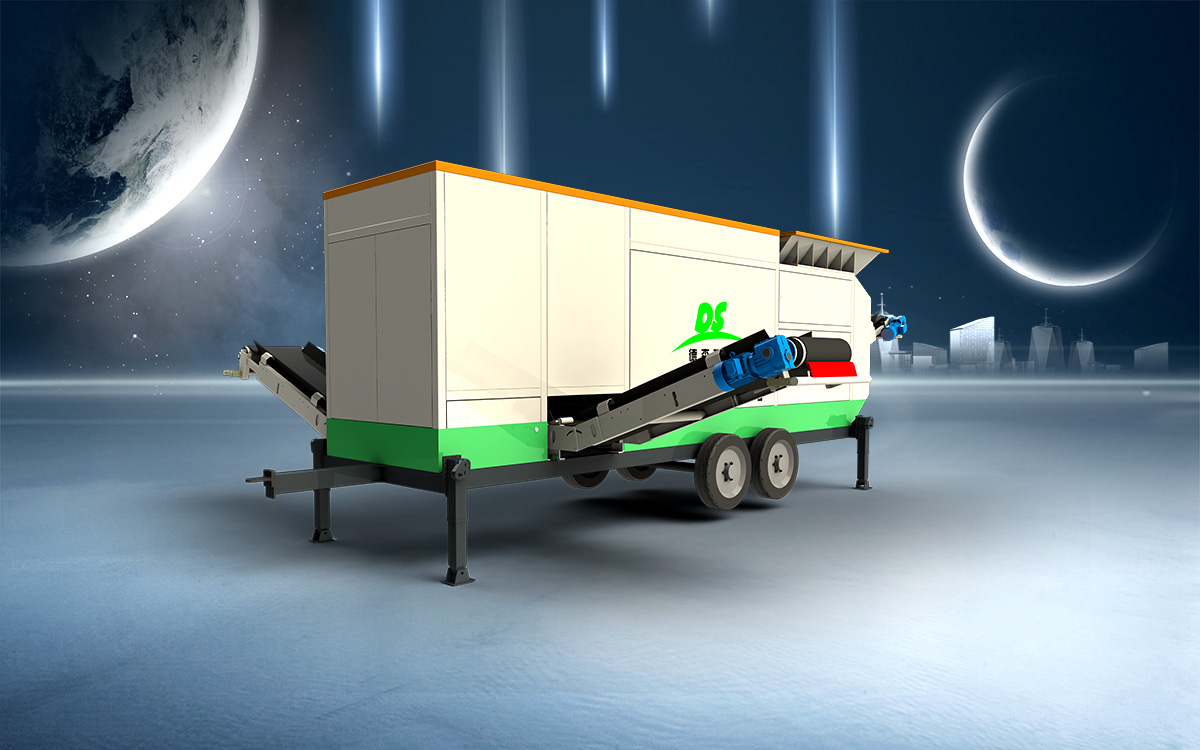
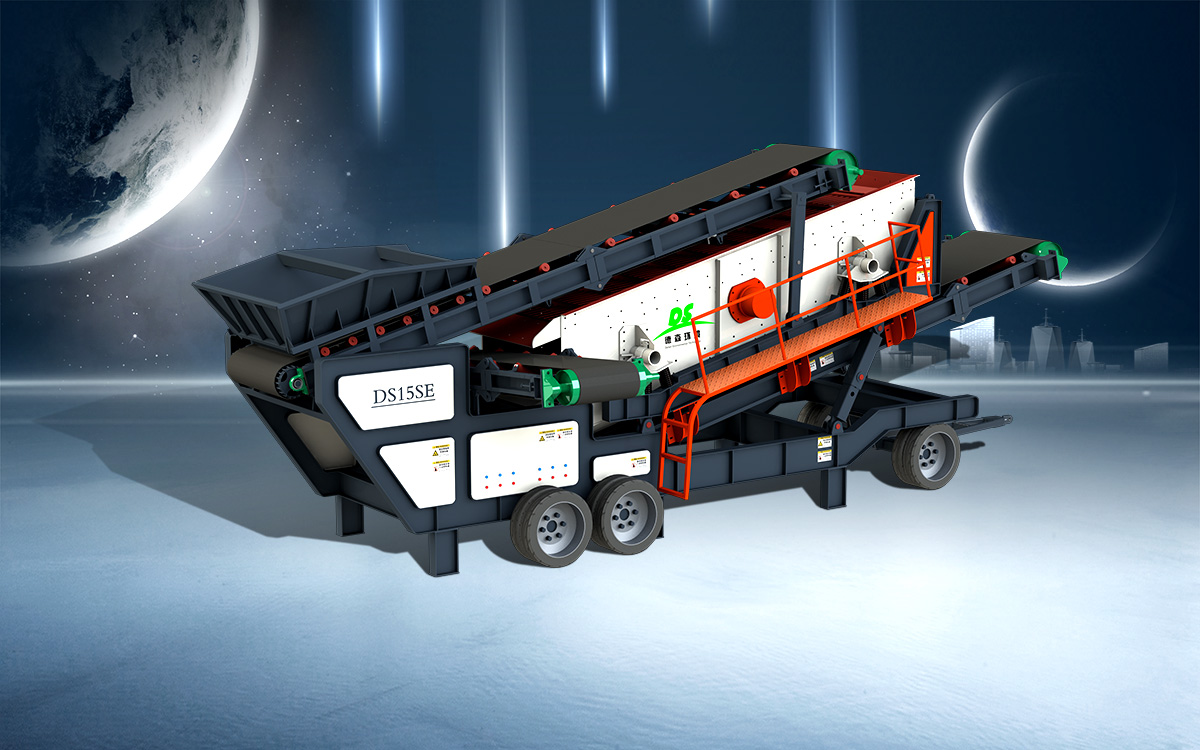
Commissioning turns a delivered machine into a working plant, and it follows a fixed sequence. The unit is positioned on the prepared area, the trailer legs are deployed and the chassis is leveled, then power and water are connected. Only after the mechanical and electrical checks pass does the crew run the plant with clean water and, finally, with soil.
Mechanical and electrical checks
Before any material enters the line, the commissioning engineer and the customer's crew work through a checklist that covers the whole plant:
Support legs, anchors and leveling, confirmed against the site layout drawing.
Power supply, phase sequence and rotation direction of every motor and pump.
Belt alignment on conveyors and free movement of all screen decks.
Control cabinet functions, interlocks and emergency stop buttons.
Lubrication points filled and gearbox oil levels confirmed.
Wet commissioning with clean water first
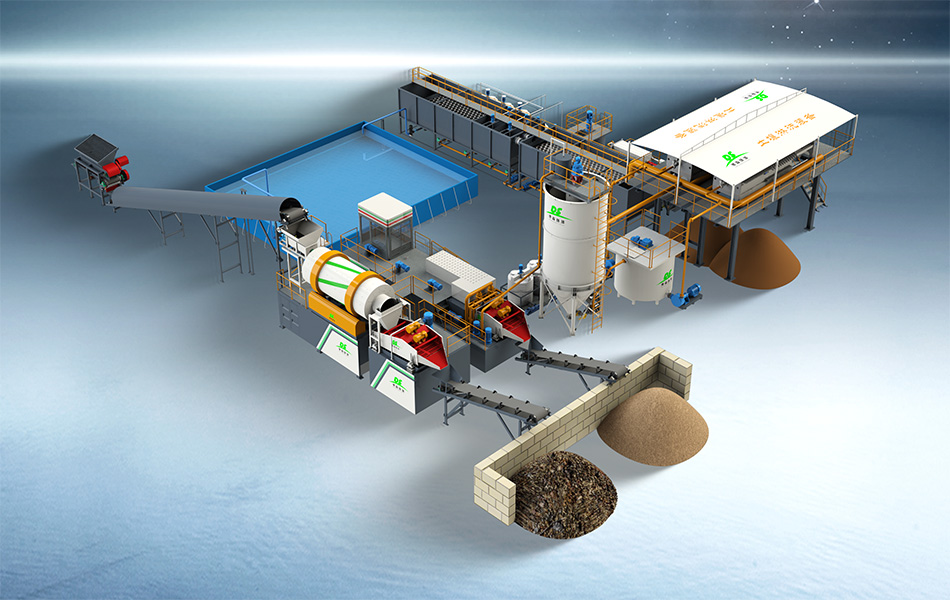
The first full run uses clean water, not soil. The crew watches for leaks at pump seals and flange connections, checks the water balance between the washing modules and the treatment loop, and confirms that the thickener and dewatering press behave as designed. Clean sand is fed next, which lets the team tune feed rate, screen inclination and wash water volume without the variables that contamination adds. Only when the plant holds a stable cycle with clean material does feeding of the actual contaminated soil begin, starting at reduced throughput and stepping up to the design rate while production data is recorded. The recorded numbers form the acceptance baseline that both parties sign at handover.
Operator Training That Runs Alongside Commissioning
Training is not a separate classroom week after start-up. On Desen projects the customer's operators work next to the commissioning engineer from the first no-load run, so every procedure is learned on the exact plant that will run the campaign. Manuals and control interfaces are supplied in English, and for projects in the Middle East and Southeast Asia the training can be delivered with local translation support.
Control system and routine operation
Operators first master the daily cycle: start-up and shutdown sequences, feed rate adjustment, screen deck settings and wash water control. They learn to read the plant through its instruments — pump pressures, thickener level, belt loads — and to recognize the symptoms that precede a problem, such as rising pressure on a dewatering pump or a drifting water balance in the closed loop.
Maintenance and first-line troubleshooting
The second part of the program prepares the crew for the wear parts and small faults that every washing plant meets during a campaign: screen panel replacement, pump liner inspection, belt tracking and the routine cleaning tasks that keep a closed water loop stable. At the end of training the crew keeps a maintenance schedule, a spare parts list and a first-line troubleshooting guide, and Desen engineers remain available by video call for issues beyond the site team's scope.
Handover and Support After Start-Up
Formal handover happens when the plant has demonstrated the contracted throughput and the treated soil meets the project's reuse or disposal standard during a supervised test run. The handover package includes commissioning records, the acceptance test data, as-built documentation and the training records for the local crew. From that point the plant belongs to the customer's team, with Desen providing remote technical support and a scheduled spare parts supply for wear parts such as screen panels and pump liners.
A washing plant is a production asset, and production assets earn money only when they run. Projects that treat commissioning and training as a planned phase rather than an afterthought typically reach design throughput within days of start-up, keep downtime low across the campaign and finish with a crew that can run the next project on its own. For buyers in the Middle East, Europe, Southeast Asia, North America and South Africa, Desen Environmental supplies modular and mobile soil washing plants with commissioning and operator training built into the delivery scope.