Soil Washing Plant Spare Parts After Sales Service: What Overseas Buyers Should Confirm Before Signing
Soil washing plant spare parts after sales service decides whether remediation equipment keeps producing overseas. See the wear parts list and the support package to confirm before signing.
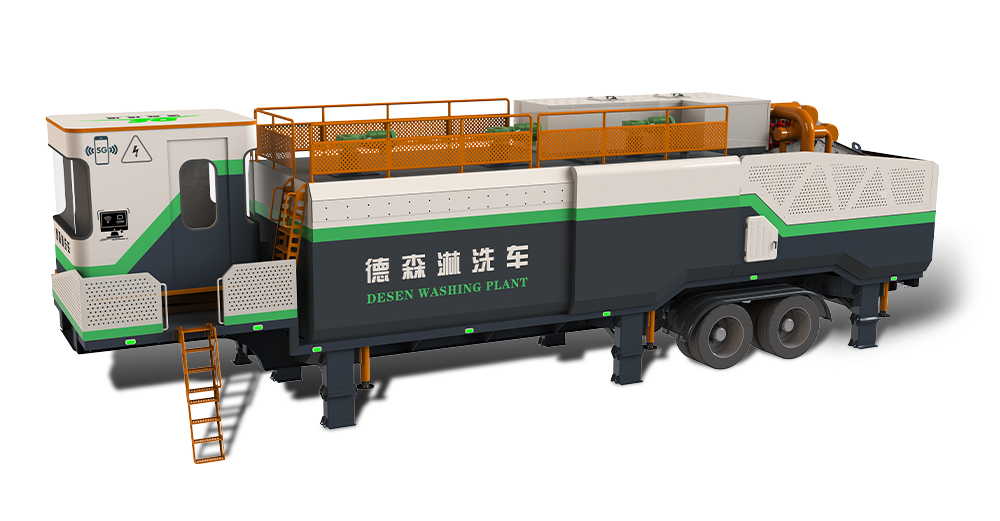
A soil washing plant works one of the hardest duty cycles in the environmental equipment industry: abrasive sand, contaminated slurry, continuous water recirculation and long treatment campaigns, often on remote sites far from the nearest industrial supplier. Even a well-built machine consumes wear parts, and the way a manufacturer handles spare parts and after sales service decides whether the plant produces at design capacity or sits idle waiting for a component. Soil washing plant spare parts after sales service is therefore not an accessory to the purchase — it is part of the production capacity you are actually buying. This article sets out what buyers in the Middle East, Europe, Southeast Asia, North America and South Africa should confirm with Desen Environmental, or with any other supplier, before signing the contract.
Why Support Matters More on a Washing Plant Than on Standard Machinery
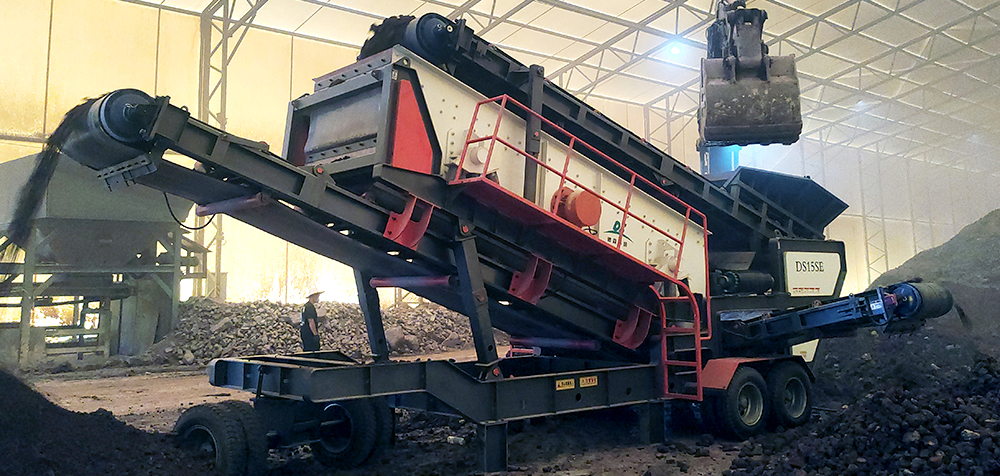
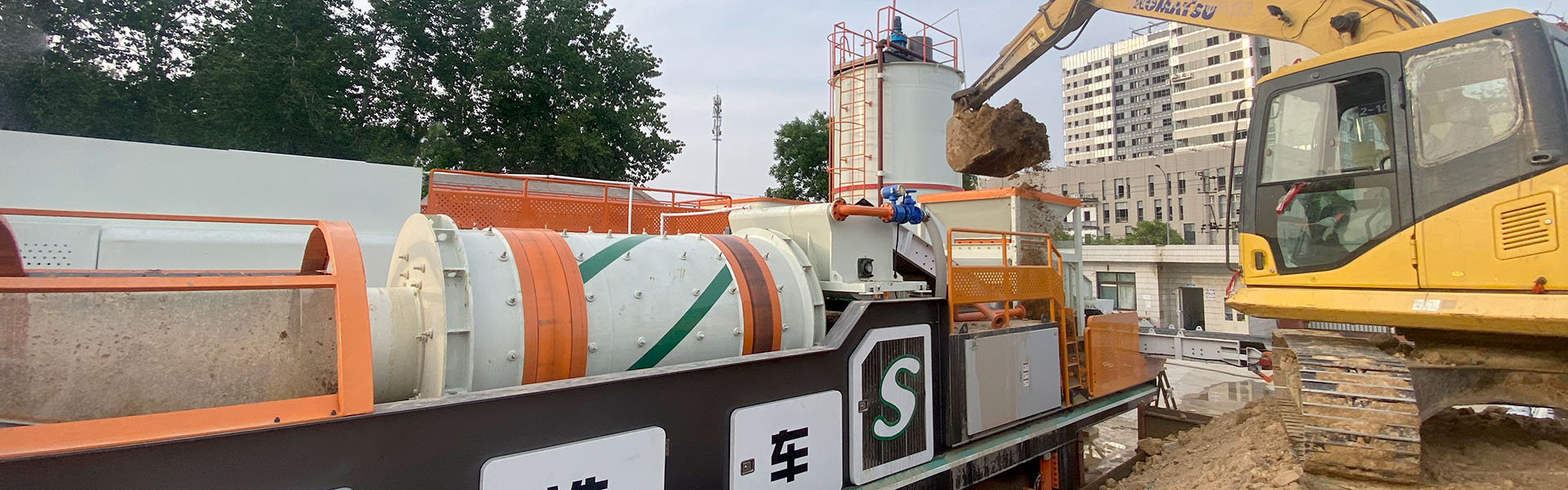
Washing equipment treats material that is deliberately abrasive. Contaminated soil carries sand, gravel and grit through scrubbers, screens, pumps and hydrocyclones for thousands of hours, and every tonne washed adds to the wear budget of the line. On a standard construction machine the consequence of a worn part is usually reduced performance; on a washing plant it is often a full stop of the production, because the classification and dewatering stages only work within narrow tolerances. For an overseas remediation project, where the nearest service engineer may be on another continent, the difference between a two-day stop and a two-week stop is almost entirely determined by what was agreed before delivery.
The parts that wear first
Experience across Desen washing and screening projects shows that the same components top the replacement list on nearly every plant:
Screen panels and screen decks exposed to direct slurry impact.
Pump liners, impellers and wetted pump parts in the sand washing circuit.
Conveyor belts and idler rollers along the feed and discharge lines.
Hydrocyclone liners and underflow openings in the classification stage.
Filter press cloths and plates on the dewatering stage.
Seals, bearings and hoses on the drum scrubber drive units.
Standard wear parts versus structural spares
A useful distinction for planning purposes is between consumable wear parts and structural spares. Wear parts are consumed on a predictable cycle and should be ordered with the plant or as a first-year package; they are small, shippable and inexpensive relative to the downtime they prevent. Structural spares — an extra gear reducer for the drum drive, a spare vibrating motor, a control cabinet module — are held against rarer failures, and here the supplier's ability to manufacture and dispatch quickly matters more than local stock. A serious quotation states clearly which items fall into each category and what the expected replacement intervals are at the project's planned throughput.
What a Complete After Sales Package Should Include
When comparing suppliers, buyers should look beyond the phrase "after sales service" and ask what is physically behind it. A complete package for an exported washing plant normally covers four things: documentation, commissioning support, a defined spare parts channel, and a route to technical help when something unplanned happens. Desen Environmental structures its export projects around these four elements, because experience shows that most early problems on overseas sites come from setup and handling rather than from the equipment itself.
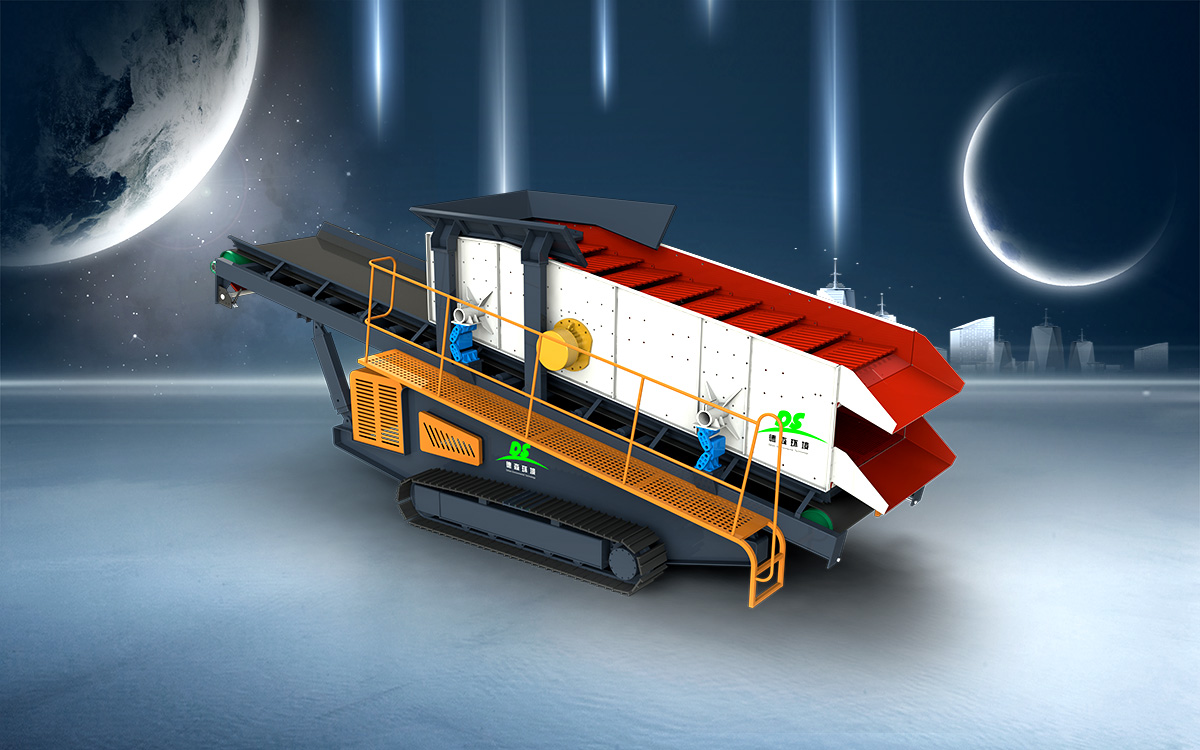
Response paths for overseas projects
For projects in the Middle East, Southeast Asia or Africa, the practical question is how help arrives. Video support and remote diagnostics resolve a large share of operational questions — belt tracking, pump settings, screen blinding — without any travel. For issues that require hands-on work, the supplier should state plainly whether a service engineer can be dispatched, how long visas and travel typically take, and what the daily rates and scope of work will be. Where a distributor or service partner exists in the region, the contract should name that partner and the first-line response they provide. Vague answers at this stage are a reliable indicator of what support will look like later.
Documentation and training as part of the service
Spare parts only work if the site crew can identify, order and fit them correctly. Every export plant should be delivered with an electrical and hydraulic documentation set, a parts book with item numbers matched to the physical labeling of components, and operator training that includes daily and weekly maintenance routines. Well-trained crews detect worn liners and screen panels before they fail, which converts emergency downtime into planned maintenance windows.
A Short Checklist Before You Sign
A first-year wear parts package, itemized with quantities and prices.
Confirmed item numbers and drawing references for every consumable.
A stated dispatch time for structural spares from the factory.
Commissioning scope: who attends, for how long, and at whose cost.
Operator and maintenance training, with materials in the site language.
A named technical contact and an agreed remote support procedure.
Washing equipment is bought to turn contaminated soil into reusable material, week after week. The plants that actually achieve this are the ones whose spare parts supply and service structure were engineered into the contract from the start. Buyers who work through the checklist above — with Desen Environmental or with any other manufacturer — enter their project with a realistic picture of lifetime cost, not just the purchase price.