Modular Soil Washing Plant vs Fixed Plant Cost: Comparing the Real Project Economics
Modular soil washing plant vs fixed plant cost compared across civil works, installation time, mobilization and reuse, so you can see which option fits your remediation project.
Modular Soil Washing Plant vs Fixed Plant Cost: Comparing the Real Project Economics
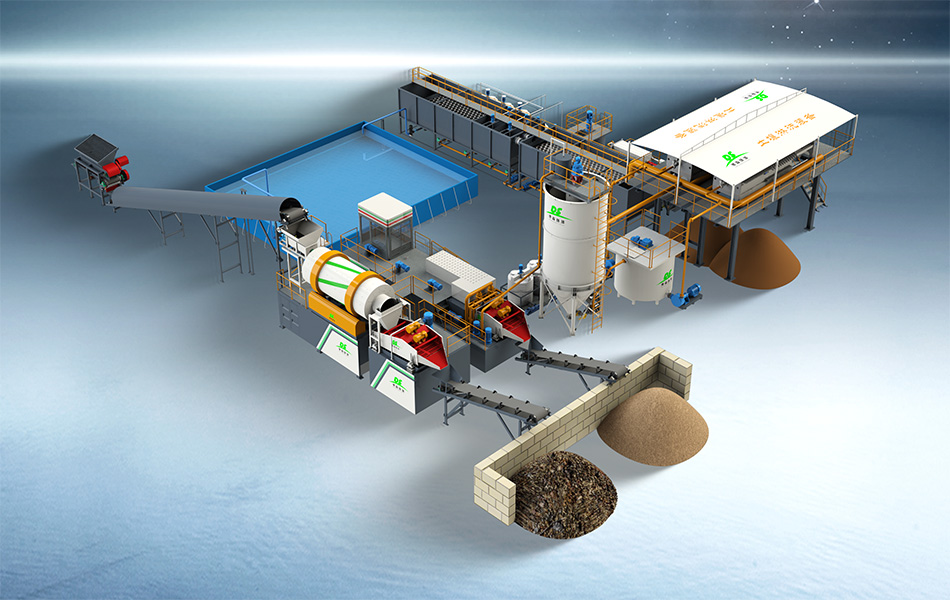
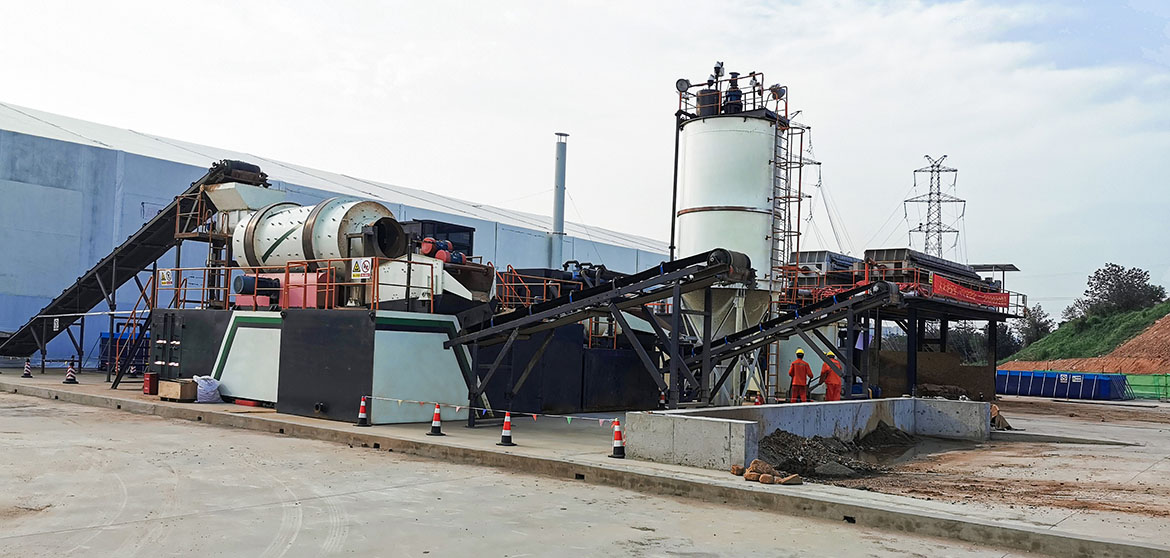
When a remediation project needs a soil washing plant, procurement teams usually choose between two paths: a modular plant assembled from standardized factory-built modules, or a conventional fixed installation engineered and constructed for one specific site. The quotation for the equipment itself is only one line of the comparison. A serious modular soil washing plant vs fixed plant cost analysis has to cover civil works, installation time, mobilization, the length of the treatment campaign and what happens to the equipment when the project ends. This article walks through those cost blocks one by one, based on how Desen Environmental supplies modular and mobile washing equipment to remediation projects in the Middle East, Europe, Southeast Asia, North America and South Africa.
Where the Cost Structures Differ
Both plant types wash soil with the same process - scrubbing, classification, dewatering and water recycling - but the money sits in different places:
- Equipment: a modular plant concentrates the investment in factory-built units, while a fixed plant spreads it across steel structures, tanks and site-built assemblies.
- Civil works: a fixed plant needs foundations, machine bases, slurry-safe drainage and often a building; a modular plant needs a leveled, compacted operating area with utility connections.
- Installation time: modules arrive pre-assembled and are connected on site within days, whereas a fixed plant consumes weeks of construction before commissioning can start.
- Mobility: a modular plant can be dismantled and moved to the next project; a fixed installation is welded to one location.
- Residual value: modular equipment keeps most of its value after a campaign ends, while a site-built installation rarely does.
Capital equipment and civil works
On paper, a fixed plant looks cheaper per tonne of capacity, because large hoppers, tanks and chutes built from concrete and welded steel cost less than factory-finished modules. The saving is real, but it moves money into a different budget line. Excavation, reinforced foundations, drainage for contaminated water and weather protection can add a substantial share to the total, and that money is spent on the site rather than on equipment the contractor owns. A modular washing plant concentrates spending in the modules themselves; site preparation is limited to a firm, level surface, a power supply and a water circuit. For short and medium campaigns - the majority of remediation projects - that difference usually outweighs the lower unit price of a fixed build.
Mobilization, schedule and reuse
Every week of construction on a fixed plant is a week in which the project pays site overheads without treating a single tonne of soil. Because modular units arrive pre-assembled, the plant can start commissioning shortly after arrival, and the treatment campaign begins correspondingly earlier. The second advantage appears at the end of the project: modules are connected with bolted conveyors and pipework, so they can be unloaded, transported and re-erected on the next site.
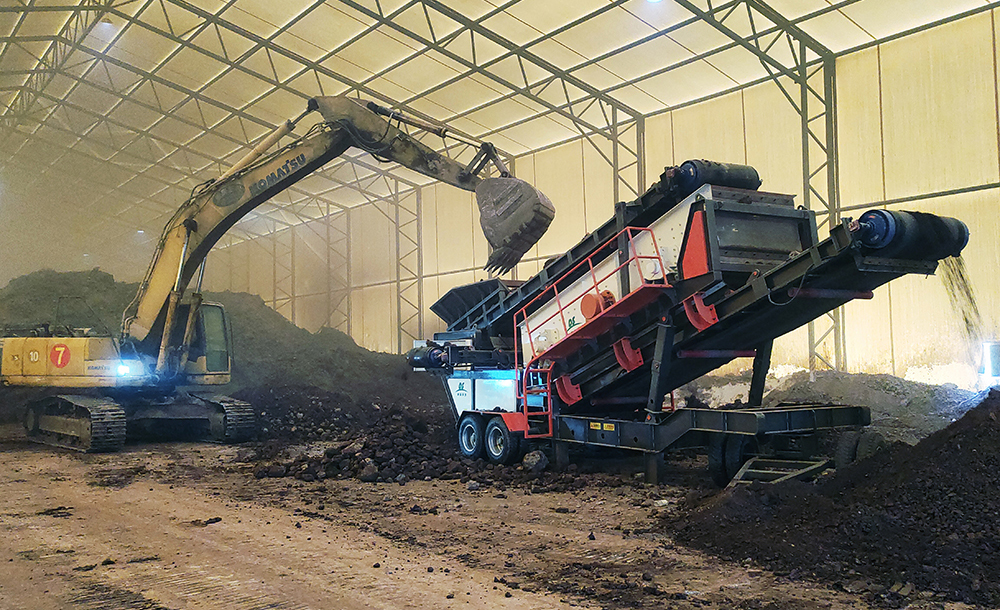
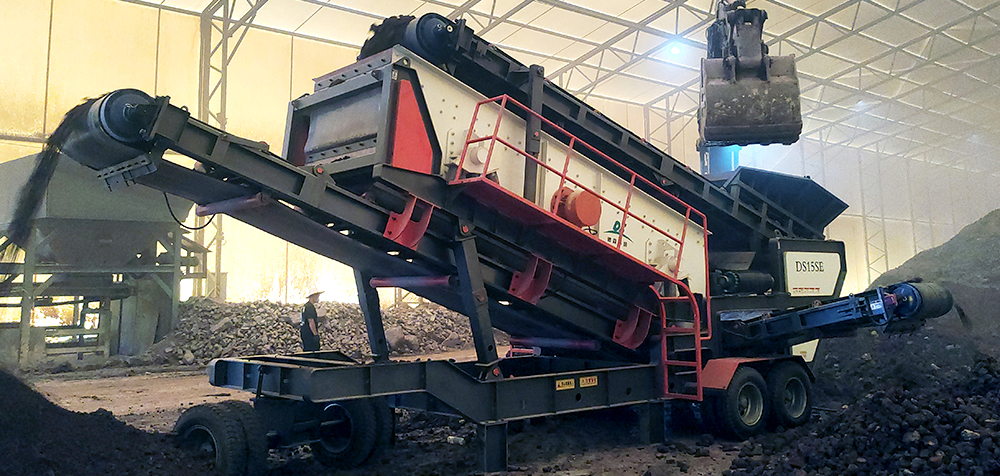
For contractors who run several remediation projects a year, this mobility turns the equipment into a fleet asset instead of a project write-off. Pairing a modular washing line with mobile screening units, such as the towed screening plant shown above, also lets the same fleet handle the pretreatment stage at each new site without new construction.
When a Fixed Plant Is the Better Investment
The comparison is not one-sided. A fixed installation becomes the sounder economic choice in specific situations:
- The site will receive contaminated soil from many sources for years, operating as a permanent regional treatment center.
- The required capacity is so large that several modular lines would have to run in parallel, erasing the installation advantage.
- Buildings, silos and foundations already exist from a former industrial operation and can be reused for the washing line.
In these cases, amortizing the civil works over a long service life favors a fixed plant, and the mobility of a modular option simply goes unused.
How Desen Supports the Decision
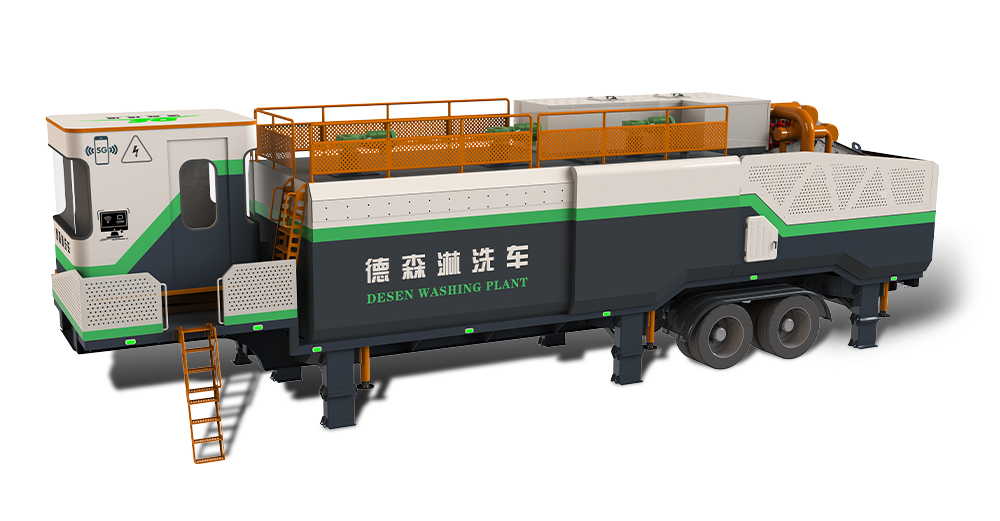
Desen Environmental supplies modular soil washing plants in containerized and skid-mounted formats, together with mobile washing and screening units, and advises each customer on the configuration that fits the project's soil data, volume and timeline. Before recommending either path, the engineering team reviews the particle size distribution, the contaminant profile and the site conditions, because the right answer depends more on the project's duration and reuse plans than on the price tag of any single quotation. Buyers comparing modular and fixed options for a project in the Middle East, Europe, Southeast Asia, North America or South Africa are welcome to send their soil data to materialwashing.com for a configuration and budget assessment tailored to their campaign.