Soil Washing Equipment Resale Value: Planning for a Second Life After the Last Project
Resale value is part of the real cost of a soil washing plant. See what drives second life prices, what buyers inspect, and how modular design protects your investment.
Soil Washing Equipment Resale Value: Planning for a Second Life After the Last Project
Most buyers judge a soil washing plant on throughput and price per tonne. Fewer ask what the plant will still be worth when the remediation contract ends. That question matters, because resale value is a real component of the total investment: a washing line that can be inspected, relocated and restarted holds a measurable share of its original price, while one that is welded into a single site may be worth little more than scrap. Planning for a second life is therefore not an afterthought. It is a purchasing decision that starts on the day the equipment is ordered.
What Determines the Resale Value of a Soil Washing Plant
Modular and mobile construction holds value better
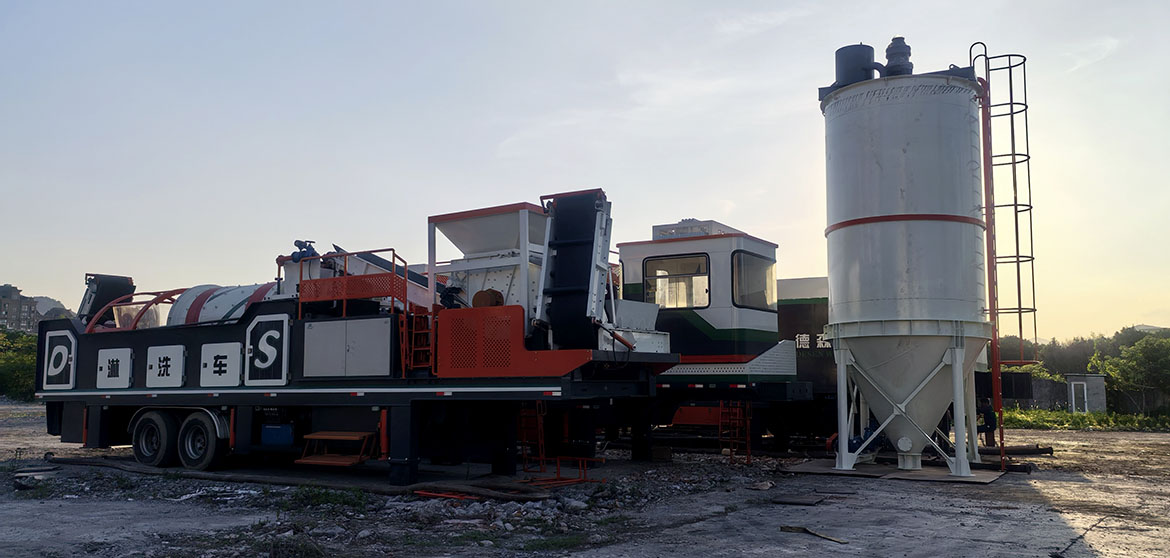
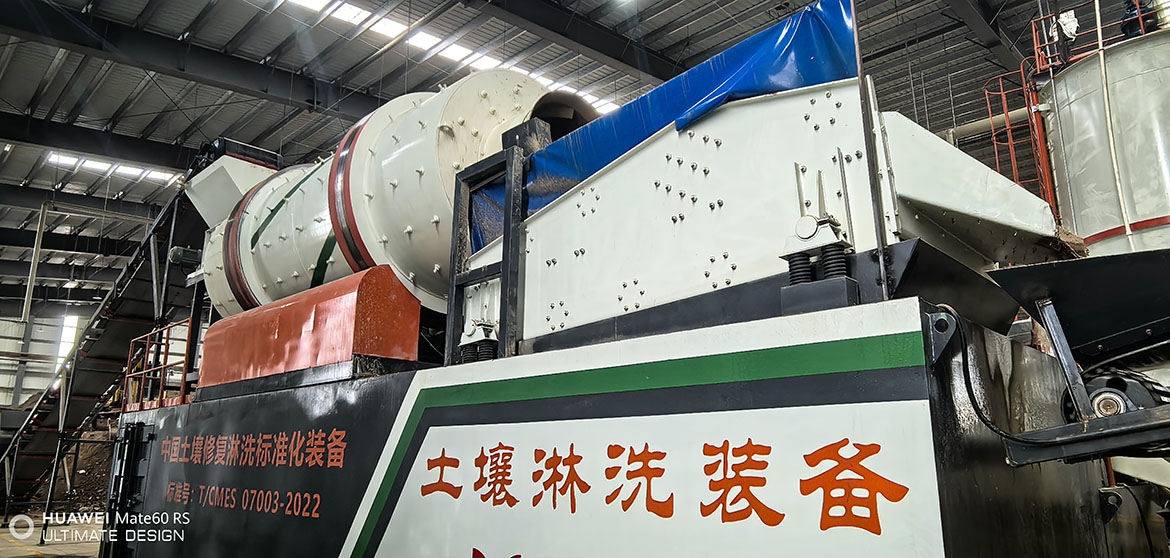
The single strongest driver of second life value is whether the plant can actually leave the site. Skid-mounted modules and trailer-mounted screening and washing units are designed to be lifted, transported and re-erected, which means a buyer can move them to a new project instead of buying new steel. The unit shown above, combining a rotary scrubber and a vibrating screen on a common chassis, can be prepared for transport within days. A fixed installation poured into concrete foundations requires cutting, partial dismantling and reconstruction, and every one of those steps comes out of the resale price.
Hours, wear parts and documentation
The second driver is condition, and condition is proven with records rather than promises. Buyers of used washing equipment look closely at operating hours, at the state of high-wear components, and at whether maintenance was carried out on schedule. A plant with a complete service file is far easier to sell than one with an empty folder, even if the two machines have run the same soil.
- Operating records: documented hours and a service log for the drum scrubber, screens, pumps and filter press.
- Wear part condition: screen panels, pump wetted ends, scrubber liners and filter press cloths, with replacement dates noted.
- Corrosion protection: paint and coating condition on tanks, pipework and structural steel, which is what a first inspection reveals.
- Technical documentation: general arrangement drawings, spares lists and wiring diagrams that let a new owner service the plant without guesswork.
- Control system compatibility: whether the electrical standard and PLC platform can be adapted to the buyer's market.
How the Second Life Market Works for Washing Equipment
Who buys a used soil washing plant
The typical second life buyer is a contractor or industrial operator who needs washing capacity at a lower entry price or on a shorter lead time than a new build allows. Smaller remediation firms taking on their first contaminated soil project, aggregates producers adding a washing line for a single tender, and buyers in markets where new equipment delivery times are long all fall into this group. For sellers, this means demand is strongest when the plant is generic in configuration, sized to common throughput classes and free of project-specific modifications that limit where it can work.
Inspection and condition reporting
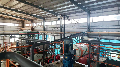
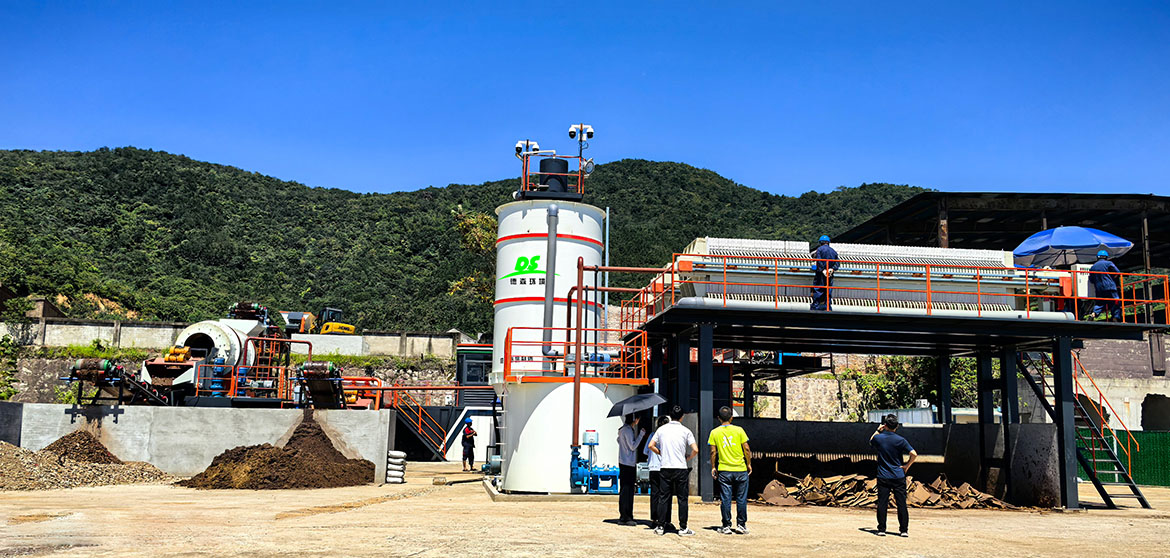
Serious buyers rarely purchase on photographs alone. They arrange a site inspection while the plant is still running, check the wear parts listed above and record the actual performance of the line on real feed material. The scene below is typical of such a condition review at an operating washing plant: the line is working, the thickener tank and filter press are accessible, and every claim in the sales file can be verified against the machine in front of the visitor.
Planning for Resale From the Day of Purchase
The most effective way to protect resale value is to treat it as a procurement criterion rather than a disposal problem. Where projects are short or uncertain, favor modular and mobile configurations over fixed installations, even at a modest premium, because mobility is precisely what the second life market pays for. Negotiate a spares package and keep it sealed and inventoried, since a complete set of screens, pump parts and press cloths transfers directly into the sales price. Schedule refurbishment before listing the plant: replacing wear parts and repainting steel usually returns several times its cost in the final transaction.
Work with the original manufacturer where possible. A plant that the OEM has inspected, refurbished and documented, and for which spare parts remain available, sells faster and closer to the asking price than an orphaned machine. Desen Environmental supports customers across this full cycle, from modular plant design that anticipates relocation to refurbishment and documentation packages for equipment entering its second life. Buyers who plan this way convert the end of one remediation project into working capital for the next, instead of leaving value buried in concrete on a closed site.