Soil Washing Carbon Credit Documentation: Building an Audit-Ready Evidence File for Remediation Projects
Soil washing carbon credit documentation turns avoided haulage and disposal into a verifiable figure. See the evidence file European verifiers expect on remediation projects.
Soil Washing Carbon Credit Documentation: Building an Audit-Ready Evidence File for Remediation Projects
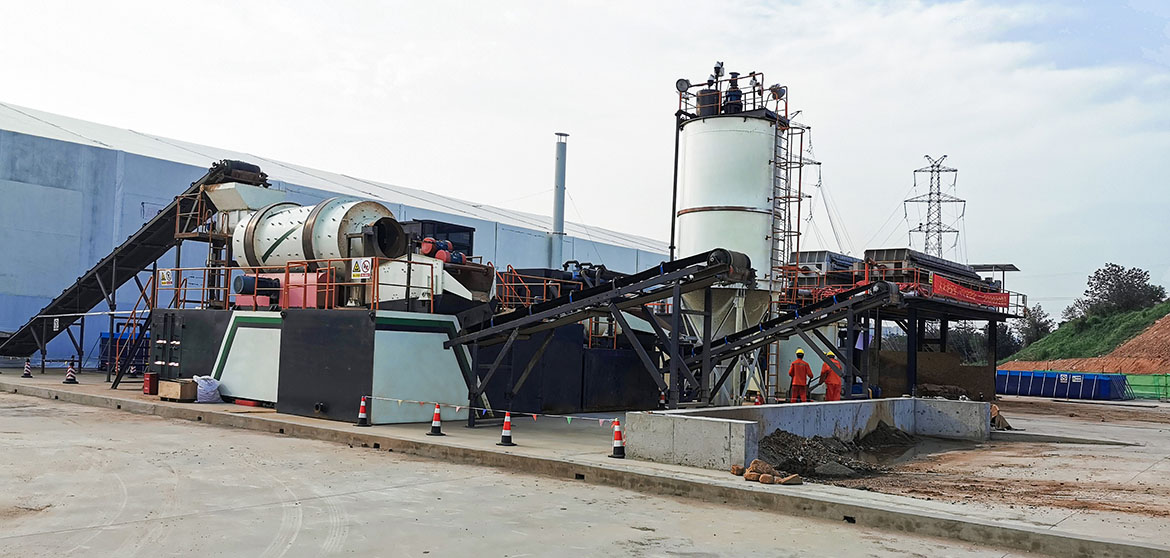
Voluntary carbon markets, national grant schemes and corporate net-zero reporting all ask remediation contractors the same question: prove it. When contaminated soil is treated on site with a soil washing plant instead of being excavated and hauled to landfill, the emission reduction is real - avoided haulage, avoided disposal and, on many sites, avoided excavation as well. It only becomes a creditable or reportable figure, however, once it is documented in a form a verifier can follow from raw data to final number. Soil washing carbon credit documentation is emerging as a deliverable in its own right on European projects. Desen Environmental supplies modular and mobile washing plants whose meters and run logs feed these dossiers directly; the sections below set out what a defensible evidence file contains.
What the Project Can Claim, and What It Cannot
A washing project generates emission reductions in more than one place, and a credible dossier accounts for them separately rather than blending everything into one number.
Avoided excavation, haulage and disposal
The largest component usually comes from the counterfactual: the soil that would otherwise have been dug up, loaded, transported to a permitted landfill and tipped under a do-nothing baseline. European verifiers expect the figure to rest on the same mass balance used for the project's waste reporting, not on an assumption added after the fact. Where treated soil stays on site or returns to beneficial use, the avoided disposal volume is documented tonne by tonne against weighbridge tickets and disposal contracts.
Energy, reagents and an honest boundary
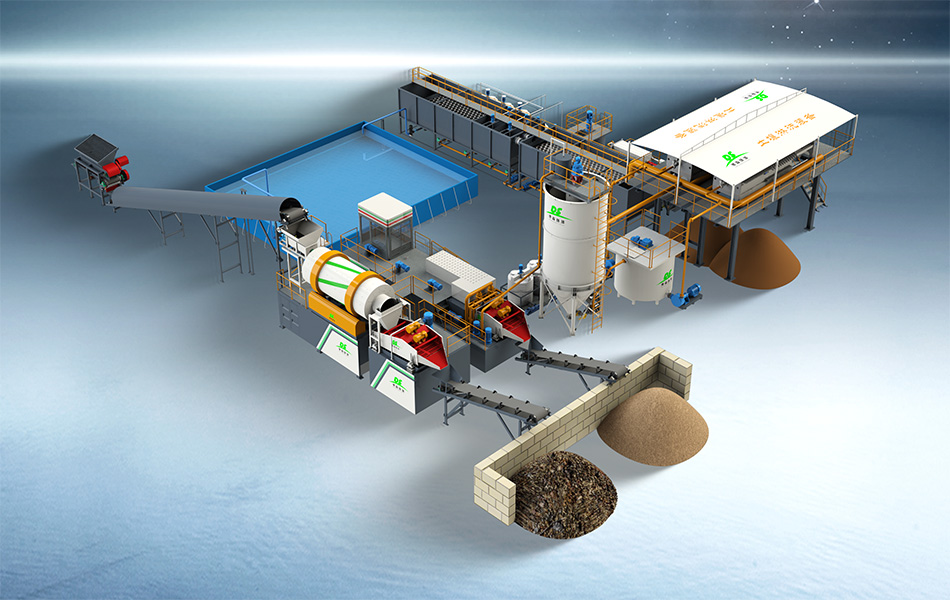
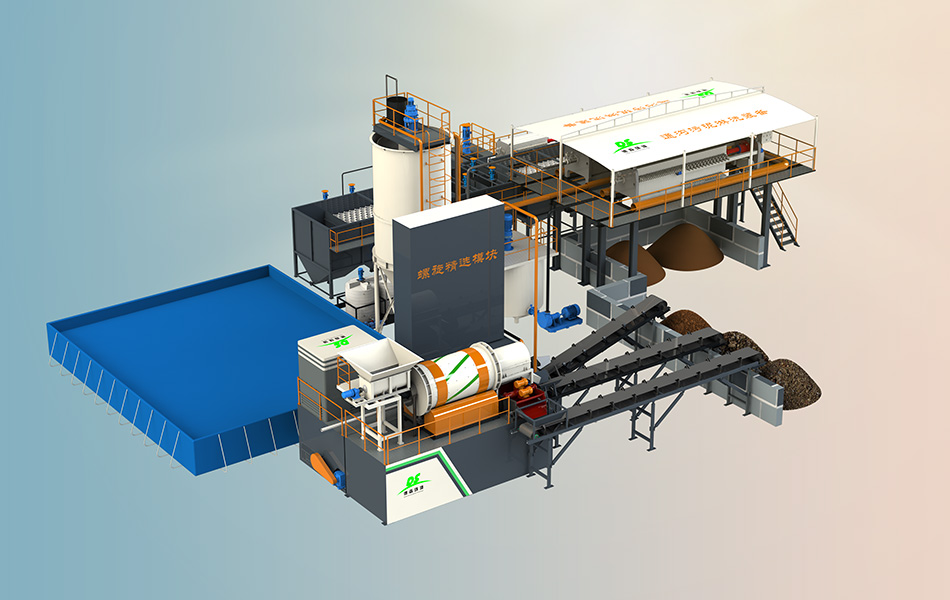
Washing is not emission-free, and presenting it as such is the fastest route to a failed verification. Diesel for the excavators and generators, grid electricity for pumps, screens and dosing systems, and the upstream production of reagents all belong inside the project boundary. A verifier will subtract them; documenting them precisely is what makes the avoided figure survive review. The boundary should be drawn on a plant diagram so every energy input has an unambiguous home.
The Documentation Set a Verifier Expects
Quantification for project-level claims in Europe generally follows ISO 14064-2 or an equivalent registry methodology. None prescribe a fixed form, but all expect the same traceability from source data through emission factors to the final figure; experience on washing projects suggests assembling the dossier around that chain.
Baseline and counterfactual evidence
The file opens with the documents that establish what would have happened without the project: the site investigation and waste classification reports, historical disposal quotations for the excavated volume, and regulator correspondence fixing the waste route. Without this layer the avoided-disposal claim has no anchor.
Activity data and metering
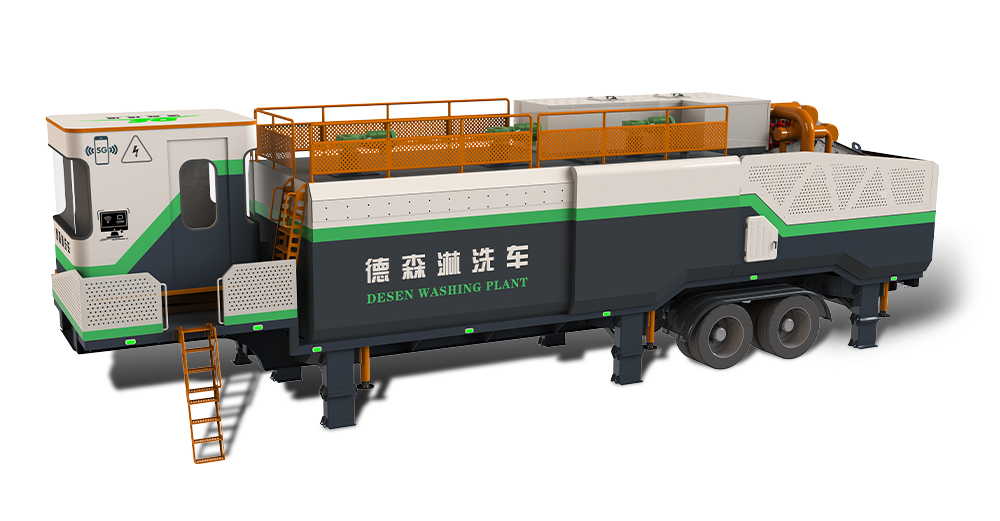
Next comes the record of what the project actually consumed: generator fuel logs, grid electricity readings taken per shift, reagent delivery notes and, where the line runs behind a single meter, monthly photographs of the register. Mobile washing units complicate this slightly: power often comes from an onboard generator or a temporary site supply, so fuel and run-hour logs carry the evidential weight a utility meter would. Keep the logs in their original form; retyping them into a spreadsheet adds nothing.
Emission factors and the calculation record
Activity data is converted to emissions with published factors, and the dossier must record which factor set, version and year was used, together with the workbook that applies them. A verifier will re-run the calculation; leaving it undocumented turns a routine check into a dispute.
- Site investigation, waste classification and regulator correspondence fixing the baseline disposal route.
- Mass balance for the campaign: feed tonnage, washed fractions, aggregate reuse and residual fines.
- Weighbridge tickets and disposal contracts evidencing every hauled tonne.
- Fuel, electricity and reagent records covering the full treatment period.
- The emission factor set used, with source, version and date.
- The calculation workbook, structured so each input traces to a source document.
- A short methodology note mapping the dossier to the chosen standard.
Where Verification Fails on Washing Projects
Most rejections trace back to a few predictable gaps, all cheaper to prevent during the campaign than to reconstruct afterwards.
Borrowed baselines and unread meters
The first failure is a baseline borrowed from a generic figure instead of the project's own waste plan. The second is metering that was planned but never read, leaving weeks of activity data unrecoverable. A short weekly checklist - read the meters, file the fuel tickets, update the mass balance - keeps the evidence current while memories are fresh.
Persistence and the end-of-waste link
Credits and reportable reductions typically require the outcome to persist. For washing, persistence ties directly to the end-of-waste and reuse story: if washed aggregate is claimed as avoided disposal, its acceptance at the point of reuse should be documented, and monitoring of the reclaimed area scheduled. Aligning the carbon dossier with the waste acceptance evidence collected for the site closes this loop and strengthens the end-of-waste application itself.
Prepared this way, carbon credit documentation becomes a natural extension of normal project reporting rather than a separate exercise. Desen Environmental documents the energy and water performance of its modular and mobile washing equipment at the factory acceptance stage, giving projects a calibrated starting point for their emissions records; equipment scopes and project references are available at materialwashing.com.