Soil Washing Site Health and Safety Risk Assessment: Controlling the Main Hazards Before Mobilization
A practical risk assessment method for soil washing sites: hazard zoning, risk scoring and controls for mechanical, chemical, height, noise and dust risks before mobilization.
Soil Washing Site Health and Safety Risk Assessment: Controlling the Main Hazards Before Mobilization
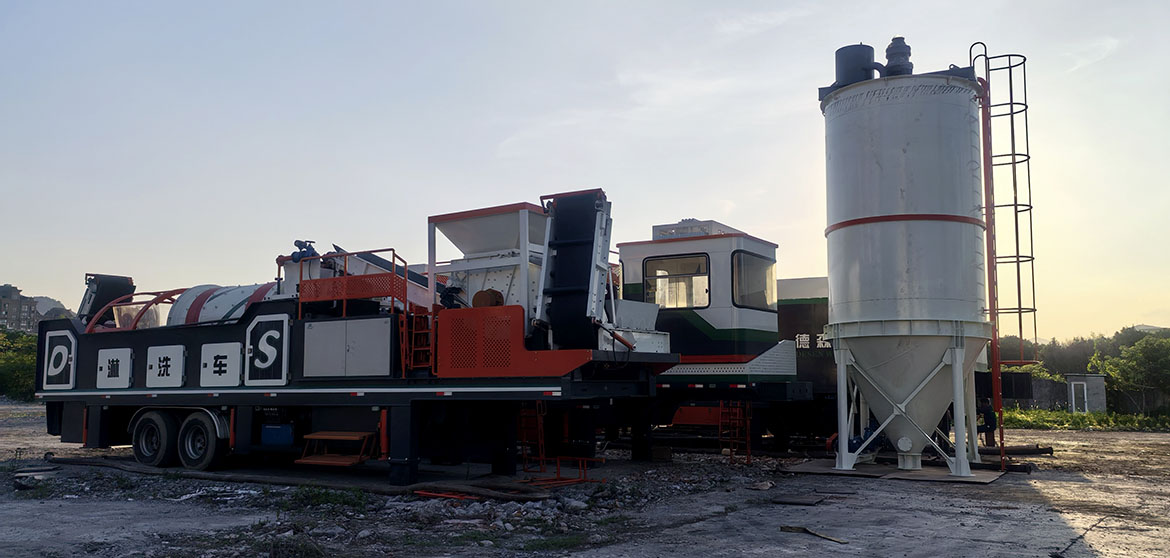
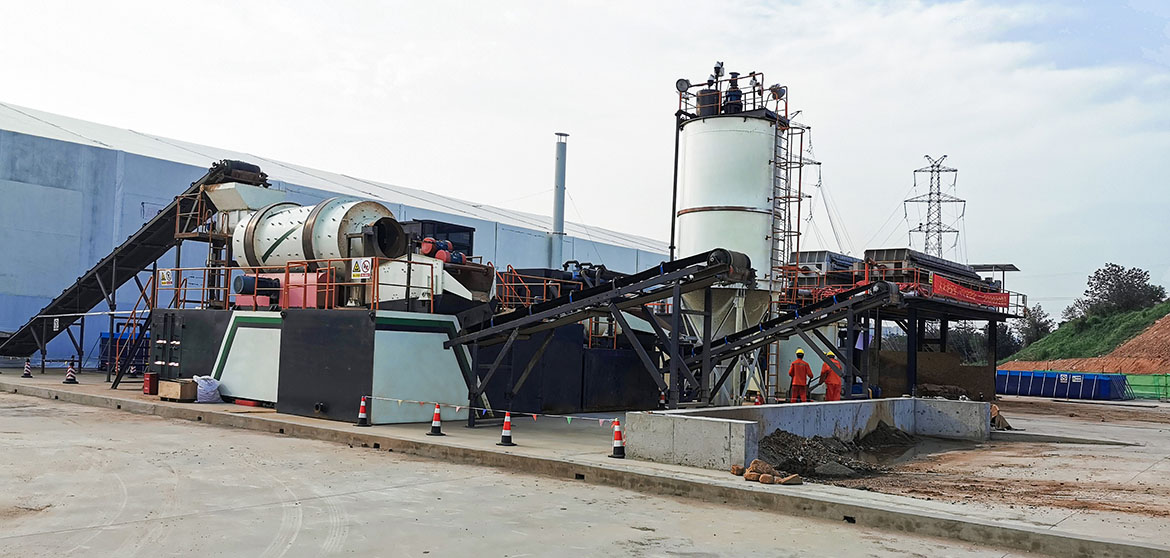
A soil washing site compresses several heavy industries into a few thousand square metres. Excavators feed a plant that screens, scrubs, separates and dewaters contaminated soil, while reagents, slurry and process water move through the same footprint. Each element carries a distinct hazard that is cheaper to control on a drawing than in an incident report. A structured health and safety risk assessment therefore belongs in the mobilization phase, before the first module is offloaded.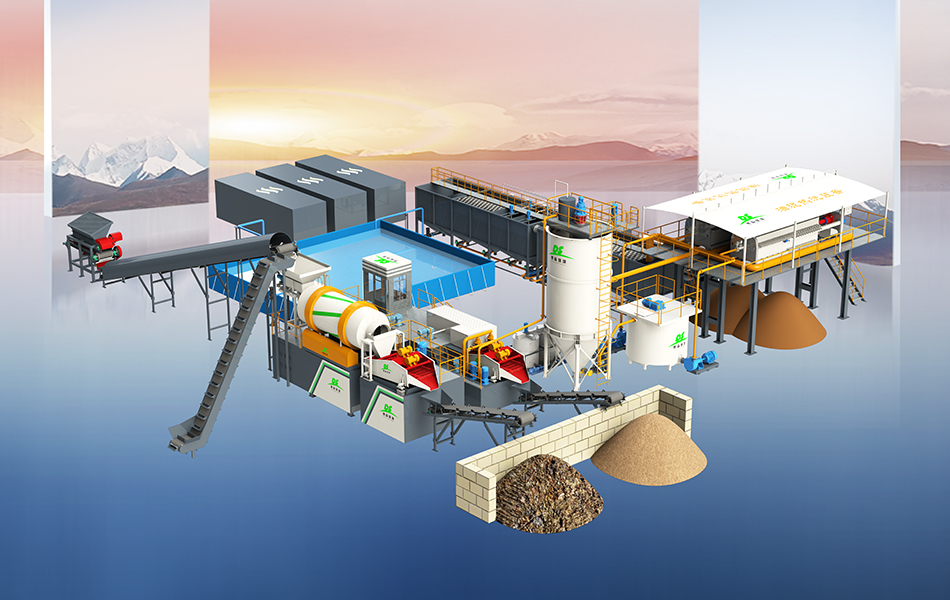
Mapping Hazard Zones Across the Washing Line
Start the assessment by dividing the site into process zones rather than listing hazards at random. A zone map keeps the register complete, gives every hazard an owner, and simplifies handover at the end of the campaign.
Feed, screening and soil handling
The front end concentrates moving plant and pedestrian traffic. Excavators swing loaded buckets over tipping points while conveyors carry feed into the screen house. Typical hazards are struck-by events during reversing, crush points at the feed hopper, nip points on belts and rollers, and dust from dry feed on windy days. Controls combine segregation of walkways, reversing alarms and cameras, fixed guarding over conveyor drums, and a spotter rule for excavator cycles near personnel.
Washing, separation and dewatering
The mid-line houses rotating drum scrubbers, vibrating screens, hydrocyclones and dewatering units, all surrounded by wet surfaces. Slurry spills make floors slippery, and wash water finds every low point. The register should cover rotating equipment that must never be opened under power, hose failures that spray material, and housekeeping around sumps. Isolation points for every drive, labelled and lockable, are part of the plant design.
Reagent storage and water circuits
Where the process uses acid, base or chelating reagents, the dosing and storage zone introduces chemical exposure risks: splashes during decanting, vapour in enclosed dosing rooms, and contaminated runoff. Process water ponds and tanks add drowning hazards, along with submerged pumps that must be isolated before anyone approaches the edge. Bunded storage, eyewash stations near the dosing point and edge protection around open water belong in the layout drawings.
Scoring Risk and Assigning Controls
Severity, likelihood and who is exposed
For each hazard, rate severity and likelihood on a simple scale and record who is exposed: washing plant operators, excavator drivers, maintenance crews, and visitors such as client inspectors and delivery drivers. Night shifts change the picture, because lighting, fatigue and reduced supervision all push the likelihood score upward. A hazard that scores low for a day crew may need additional controls after dark.
Turning the register into layout decisions
The value of the assessment shows when controls are built into the plant layout instead of bolted on later:
- Eliminate through layout: keep pedestrian routes outside the machine envelope, so nobody walks under a loaded conveyor or beside a rotating drum.
- Substitute where possible: use enclosed tanks instead of open ponds where the water balance allows, and pre-mix reagents at ground level.
- Engineer the residual risk down: fixed guarding on conveyors and screens, handrails on every elevated platform, emergency stops along the line, and bunded reagent storage sized for the full tank volume.
- Administer what remains: lockout-tagout procedures, a permit system for entry into the drum or screen, toolbox talks before each shift, and a PPE matrix tied to each zone.
The Risk Families That Decide the Outcome
Mechanical and rotating equipment
Guards, interlocks and isolation are the engineering answer, but the assessment should also plan the maintenance window itself. Drum liners and screen panels are replaced with the equipment stopped and locked out, tools staged on stable platforms, and a second person confirming the isolation before entry.
Chemical exposure and reagent handling
Where the flowsheet includes reagent dosing, the chemical section should map every transfer point where a person meets a reagent: drumming, decanting, calibrating dosing pumps and sampling the process water. Safety data sheets, compatible hose and seal materials, spill kits at the bund, and documented emergency shower coverage turn the section from paperwork into protection.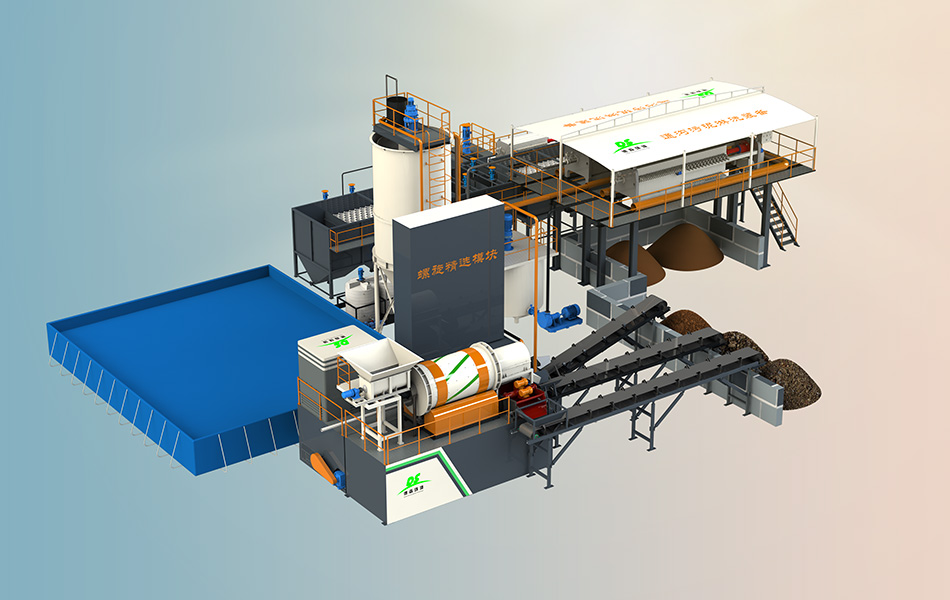
Access, working at height and edges
Washing lines are elevated structures by design: platforms around screens and tanks, stairs between levels, and walkways that cross over conveyors. It should confirm that every routine access route has guardrails, that ladder positions are fixed and marked, and that temporary tasks such as liner inspection carry their own assessment. Mobile equipment changes the geometry at every new site, so the check repeats at each mobilization.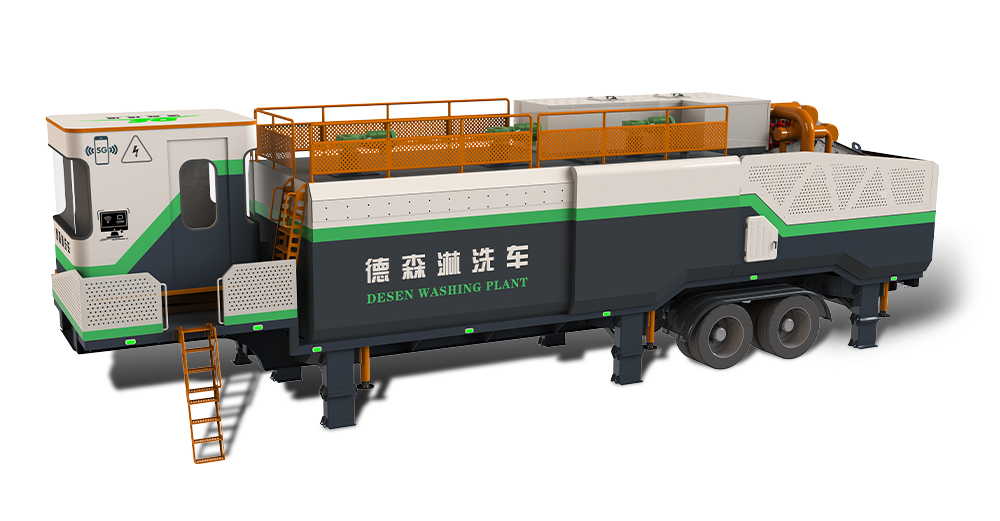
Noise and dust
Screens, conveyors and pumps generate sustained noise that hearing protection alone does not solve at the source. Zone signage, rotating staff away from the loudest positions and enclosing screen drives all reduce exposure. Dust from dry feed and stockpiles is managed with water sprays at transfer points, wetting of haul routes and stockpile height limits near the site boundary.
A risk assessment is a living document. Revisit it whenever the layout changes, a new reagent enters the flowsheet, or a long campaign reaches a fixed review date. At Desen Environmental we supply modular and mobile washing equipment with the layout drawings, guarding and isolation documentation an assessor needs, and our commissioning team walks through the zone map with the client crew before the first feed. If you are preparing an HSE plan for a soil washing project, contact our team for the safety documentation package of the equipment you are considering.