Waste Soil Transfer Documentation Duty of Care: Moving Contaminated Soil Off Site Legally
How waste soil transfer documentation and duty of care work on contaminated land projects: waste codes, carrier checks, manifests and how on-site washing shrinks the paper trail.
Waste Soil Transfer Documentation Duty of Care: Moving Contaminated Soil Off Site Legally
Every remediation project ends with the same question: where does the excavated soil go, and who can prove it got there legally? In Europe, moving contaminated soil off site is not a haulage job with paperwork attached afterwards. It is a documented chain of custody in which the producer of the waste keeps obligations long after the trucks have left. Regulators in the Netherlands, the United Kingdom, Germany and Flanders all operate variants of the same principle, known as duty of care: everyone who handles the soil, from the site where it was dug to the facility that finally treats or buries it, must be able to show what was moved, by whom, under which waste code, and to where. A contractor who understands this documentation chain saves the client weeks of permitting friction and protects its own position at the same time.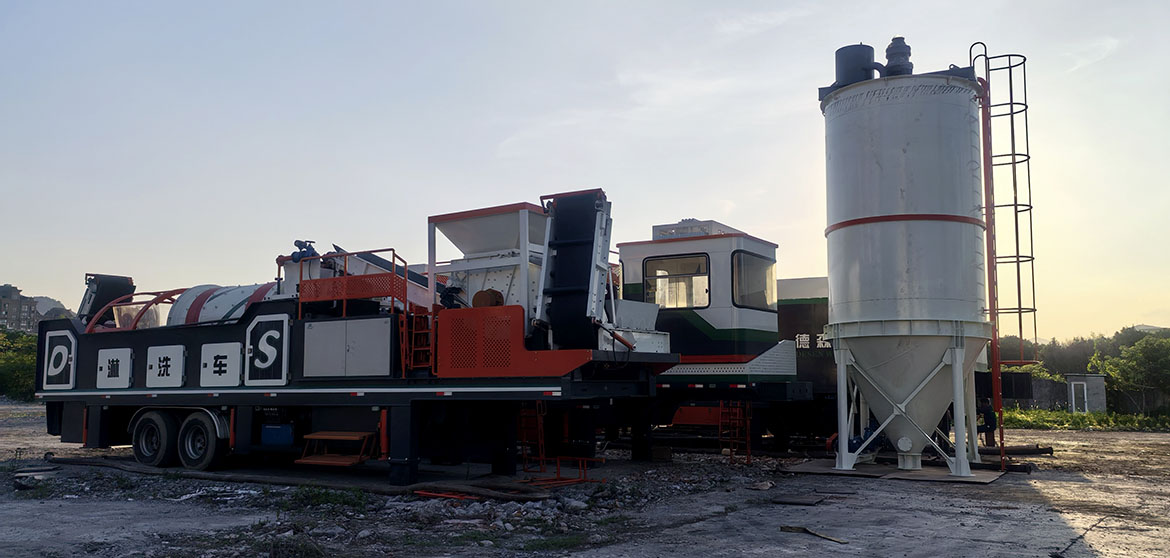
What Duty of Care Means for Excavated Soil
Under European waste framework rules, the producer or holder of waste is responsible for its management until it reaches an authorised handler. In practice this means the party who excavated the soil must verify three things before the first load leaves site: that the soil has been correctly classified, that the carrier holds the required waste transport registration, and that the receiving facility holds a permit that actually covers that waste code. Handing soil to a haulier does not transfer the obligation. If a load is traced back to an illegal dump years later, the audit trail runs all the way back to the digger.
Classification before the first truck
Transfer documents are only as good as the classification behind them. Soil destined for off-site movement needs a waste code, and that code depends on the contamination profile established through sampling and laboratory analysis. The same site can legitimately produce several streams: lightly contaminated fractions suitable for reuse under a beneficial-use route, contaminated mineral soil going to treatment or landfill, and process residues from screening and dewatering. Each stream carries its own code, its own destination and its own paper trail. Mixing streams, or moving a load before the analysis is complete, remains the most common trigger of enforcement action on remediation projects.
Building the Transfer Documentation Set
The manifest and the handover record
Most European jurisdictions require a consignment note or electronic manifest for each movement. Whatever the national format, the practical core is the same: producer identity and registration, waste code and description, quantity in tonnes, carrier identity and registration, destination permit number, and the date and time of each load. Site staff record every despatch in a register that reconciles against weighbridge tickets. The handover record should also capture the visual condition of the load, such as sheeting intact and no free liquid, because disputes about how soil arrived at the receiver are far easier to settle with contemporaneous notes than with recollection.
Checking carriers and receiving facilities
These checks belong in the subcontract documents, not in a phone call on the morning of mobilization:
- Waste carrier registration verified for each subcontracted haulier, with copies filed
- Receiving facility permit checked against the actual waste code, not just the site name
- Planned routes and permitted destinations confirmed in writing before the first load
- Weighbridge tickets and manifests reconciled weekly against site despatch records
- Signed completion statements from receivers archived with the project close-out file
These steps are not bureaucratic decoration. When a regulator investigates a missing load, the contractor who can produce a reconciled file within hours is treated very differently from one who has to reconstruct records from memory.
How On-Site Washing Changes the Documented Stream
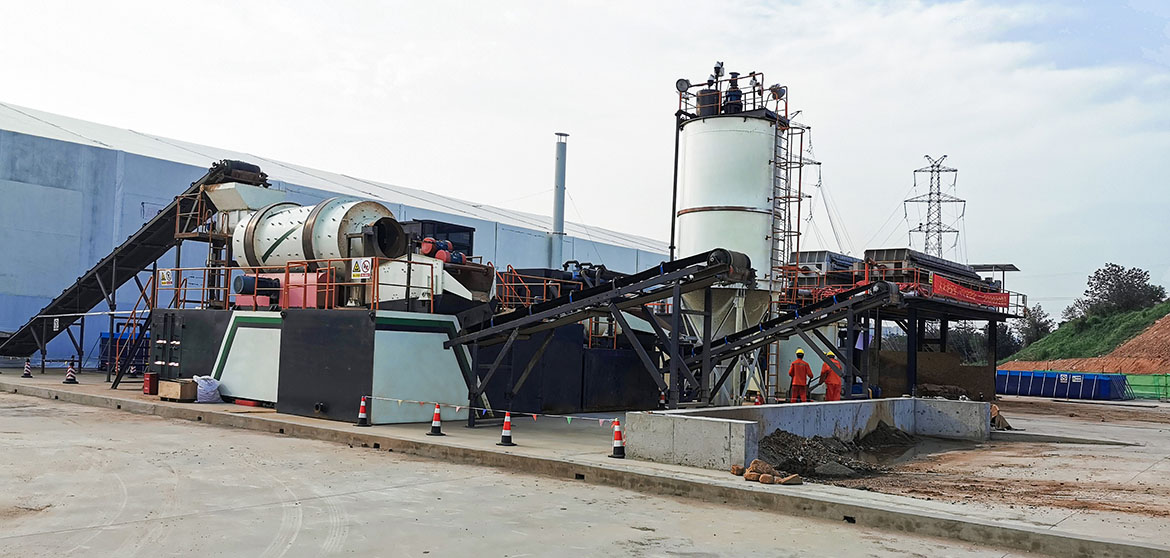
The most effective way to reduce transfer documentation exposure is to reduce the soil that has to travel at all. A modular soil washing plant brought to the site converts one large off-site movement into two much smaller ones: washed sand and gravel that can often be reused on the redevelopment under a reuse certificate, and a concentrated fine fraction dewatered to a stable filter cake that leaves for treatment or disposal.
Fewer loads, shorter paper trail
On a typical project the washed coarse fraction accounts for the majority of the excavated tonnage. Every tonne washed and retained on site is a tonne that needs no carrier check, no consignment note and no landfill gate fee. The residual cake may be a small fraction of the original volume, which shrinks both the haulage cost and the size of the audit file the producer has to be able to defend years later.
Records the washing plant generates
A washing line also produces its own evidence. Batch logs, process water readings and filter cake test results document how the soil was treated on site, while the cake leaving site is classified against acceptance criteria with its own dossier.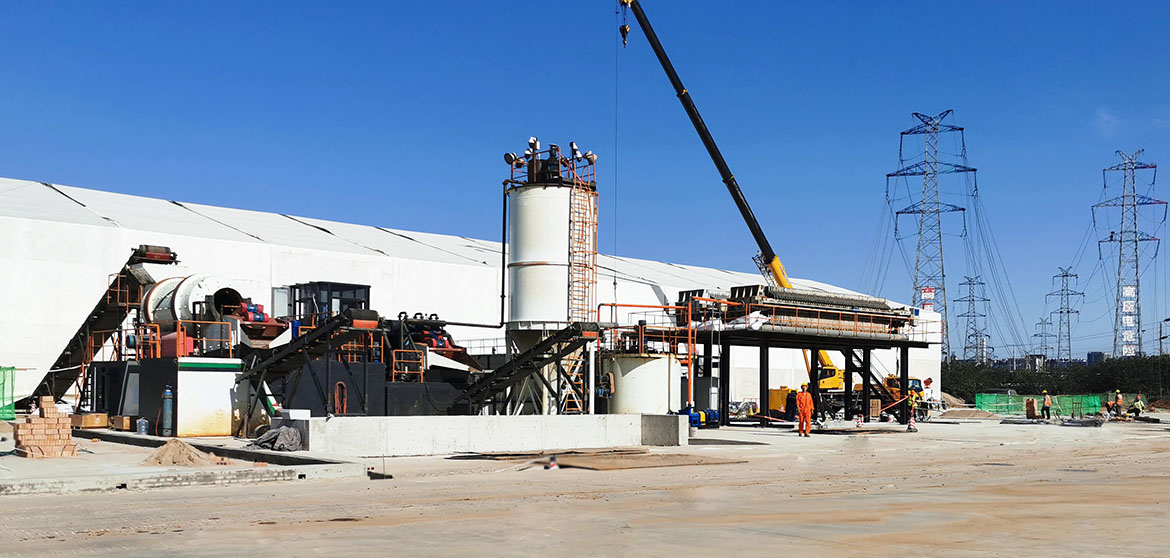
Keeping plant records in the same file as the transfer manifests gives the regulator a single continuous story from excavation to final destination. Desen Environmental supplies modular and mobile soil washing plant to remediation contractors across Europe, the Middle East and Southeast Asia, and designs flowsheets that separate reusable fractions from the documented waste stream at the front of the project. Fewer loads to defend is a compliance strategy as much as a commercial one.