Modular Plant Weather Enclosure and Dust Containment: Protecting a Washing Line in Dry, Windy Climates
A modular plant weather enclosure and dust containment plan for dry and windy remediation sites: cladding options, transfer point control, water sprays and housekeeping.
Modular Plant Weather Enclosure and Dust Containment: Protecting a Washing Line in Dry, Windy Climates
Modular washing plants spend most of their working life outdoors, and on many remediation sites that is exactly where the trouble starts. In the Gulf, a shamal can lift fine dust off a feed stockpile and carry it across the site boundary. In northern Europe, months of rain and freeze-thaw turn unsealed walkways into ice hazards and soak electrical cabinets. A modular plant weather enclosure and dust containment plan is therefore not a cosmetic upgrade; it decides whether the line runs as a clean, compliant operation or becomes the most visible dust source on the site. Desen Environmental approaches enclosure design for modular soil washing equipment in the following way.
Why weather and dust exposure matter on a modular washing plant
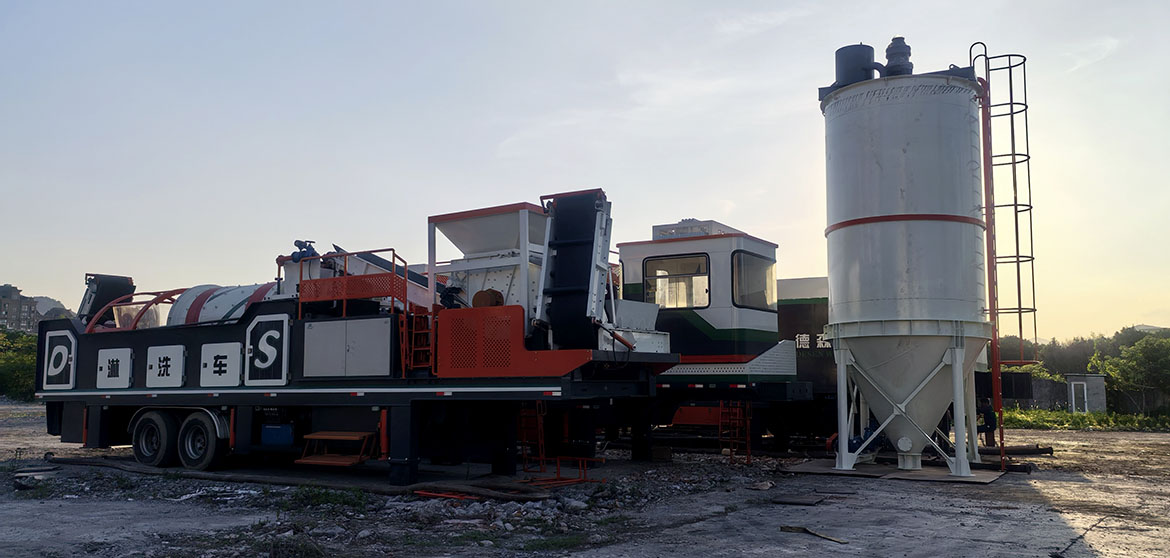
A modular washing line is deliberately built from exposed, serviceable skids. That layout makes maintenance fast, but it also means every conveyor, screen and scrubber sits in the open air unless someone plans otherwise, and an enclosure has to answer weather and dust at the same time.
What wind and dust do to an open line
Dry contaminated fines are the main risk. They lift from stockpiles and from every drop point where soil falls onto a belt, drift with the prevailing wind and settle on bearings, motors and switchgear. Grit inside a conveyor drive shortens its life, and dust on an electrical cabinet forces premature filter changes. Wet climates bring the opposite problems: rain dilutes the lined water pool, standing water softens the ground under supports, and frozen spray lines split overnight.
Where dust actually leaves the process
Site surveys of washing lines usually find that a handful of locations generate most of the visible dust. A containment plan targets those first:
- The feed hopper, where the excavator drops dry soil into the line and displaced air pushes dust upward
- Every transfer point between conveyors, where falling material releases fines into the air
- Screen decks, where the vibrating bed throws fine particles clear of the surface
- Stockpile edges and haul roads, which feed dust into the plant area from outside
- Filter press discharge, where dry cake can puff when it drops into a skip
Covering the whole line without treating these points individually usually wastes money on cladding while the dust continues to escape where the material is actually moving.
Designing the enclosure around the process
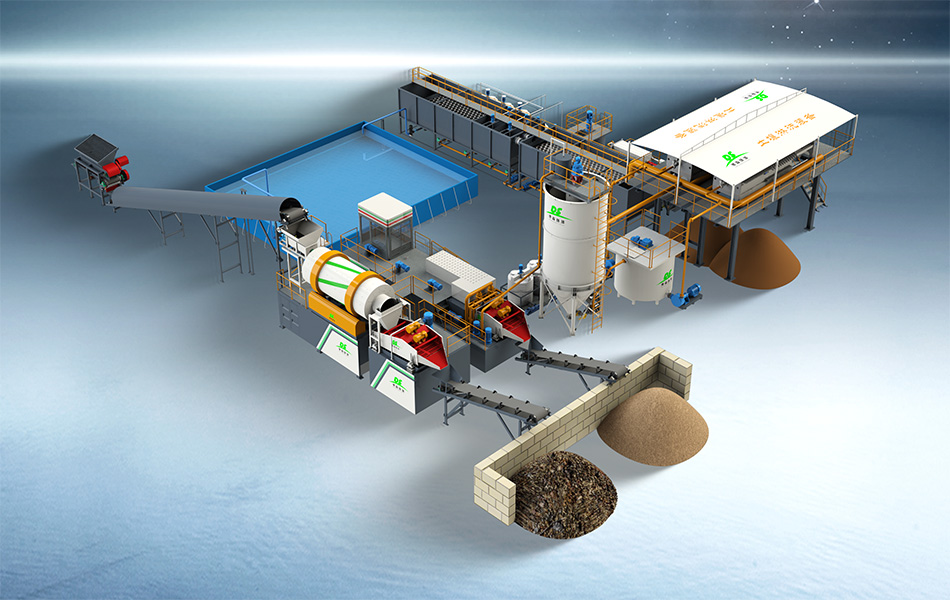
Enclosure design for a modular washing plant starts from the process layout, not from a catalogue of panels. Some zones benefit from full cover, others only need a roof, and a few stay open for crane access and ventilation.
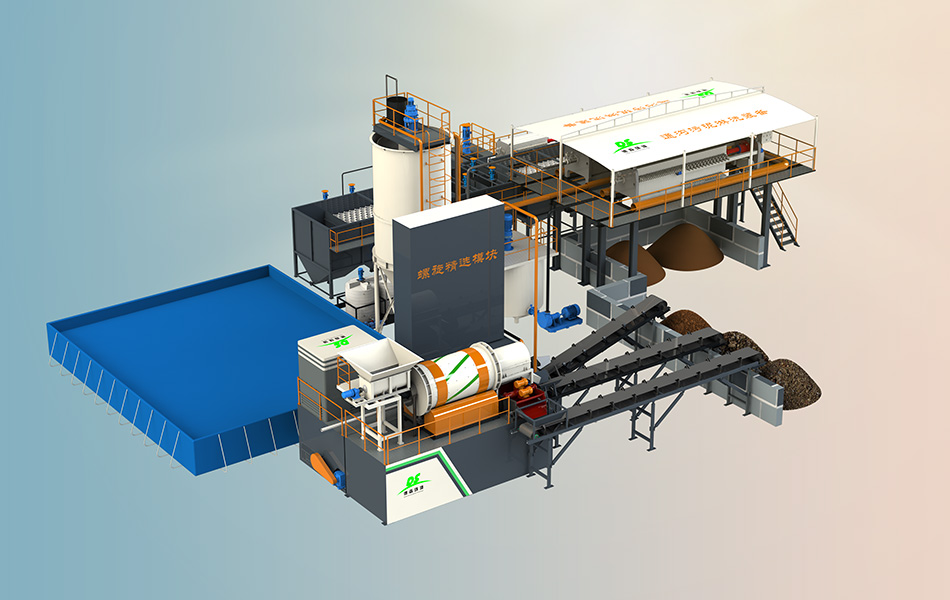
Full cladding, partial canopies and open bays
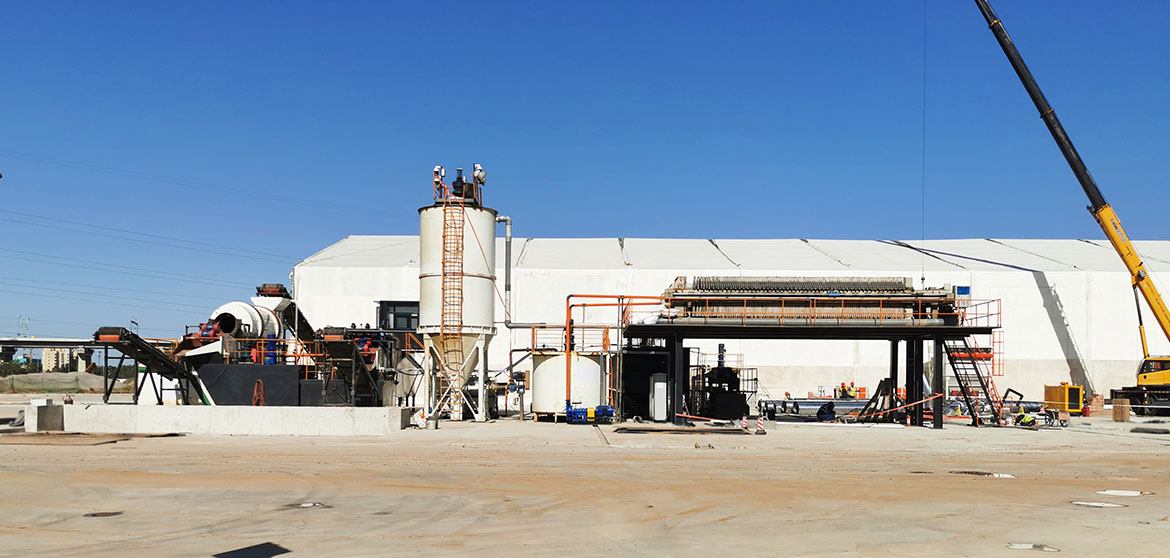
In practice, Desen Environmental mixes three levels of cover on one site. The control room, dosing area and electrical house get full cladding with sealed doors, because electronics and operators both need a clean environment. Elevated process platforms and screen decks typically receive a roof canopy, which stops rain from wetting the material and blocks the sun that would otherwise dry fines into airborne dust. Feed and discharge bays are left open but oriented so the prevailing wind blows dust away from sensitive areas rather than across them. In the Middle East, shading also protects hoses and operators from heat; in Europe, the same cladding keeps snow out of the water circuits.
Controlling dust at transfer points
At the specific drop points listed above, physical cover is combined with extraction and moisture. Dust hoods with a modest extraction fan capture air displaced at the feed hopper. Skirted transfer chutes keep material falling close to the belt so less air is entrained. Where the soil chemistry allows it, a fine water spray at the feed wettens the surface of the material just enough to stop fines lifting. The aim is to spend the water budget at the five or six dust sources, not to sprinkle the whole site.
Operating the system: sprays, housekeeping and inspection
An enclosure only works if it is operated. Three routines keep a covered line clean over a long campaign.
Water spray design without a mud problem
Over-spraying is the common failure. Water added beyond what the process absorbs ends up as mud on access ways, and mud gets carried onto walkways and into the lined pool as extra sediment load. Sprays therefore use fine nozzles on a pressure-regulated circuit, aimed at material surfaces rather than at open air, and are interlocked with feed: when the excavator stops, the spray stops. Runoff from covered areas is graded back into the plant's own water treatment loop so nothing escapes the site.
A weekly inspection routine
Operators should walk the line on a fixed schedule and check the items that quietly fail: canopy fixings after storms, skirt rubber at transfer points, nozzle clogging in hard water areas, dust extraction filter condition and the door seals on the electrical house. Ten minutes a week on this list preserves the containment performance for the whole season, and it costs far less than the downtime that follows a grit-failed conveyor drive.
A modular plant weather enclosure and dust containment plan is a set of modest decisions taken early: which zones get cladding, where the canopies go, which drop points receive extraction and spray. Together they turn an open skid line into equipment that neighbours, regulators and operators can all live with.