Modular Washing Plant Critical Spares List: What to Stock Before the Line Starts
A practical critical spares list for a modular washing plant: which soil washing equipment parts stop the line first, how to size minimum stock and how to reorder after each campaign.
Modular Washing Plant Critical Spares List: What to Stock Before the Line Starts
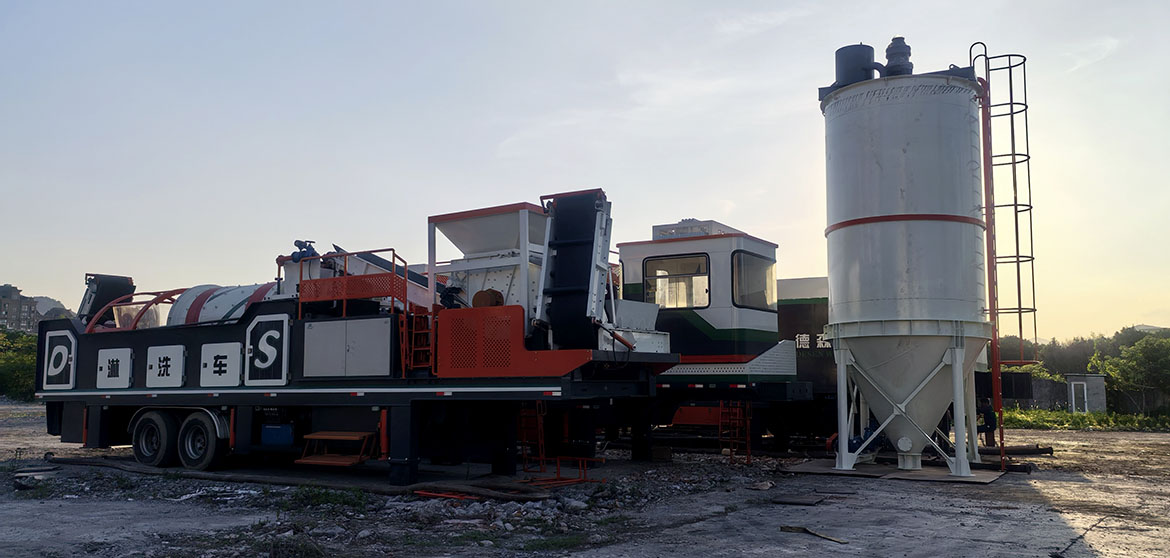
A modular washing plant is only as reliable as the slowest spare part on its shelf. When a slurry pump seal fails on a Friday afternoon and the replacement is three shipping weeks away, the whole remediation schedule waits with it. That is why experienced contractors write a critical spares list for the specific line they are about to run, before commissioning rather than after the first breakdown. This article walks through how to build that list for a modular soil washing plant, module by module, and how to keep the stock honest between campaigns.
Which Failures Actually Stop the Line
Not every part deserves shelf space. Sort candidates with two questions. First, how fast does production drop if the part fails - does the line keep running at reduced rate, or does everything stop? Second, how long does a replacement take to reach site - can a local distributor supply it in days, or must it ship from overseas?
Parts that stop production outright and take weeks to import belong at the top of the list. Parts that only slow the line down, or that any industrial supplier can deliver within 48 hours, can wait. This two-axis sort matters most on export projects, where replacements cross customs boundaries that a domestic plant never sees.
The parts that usually top the list
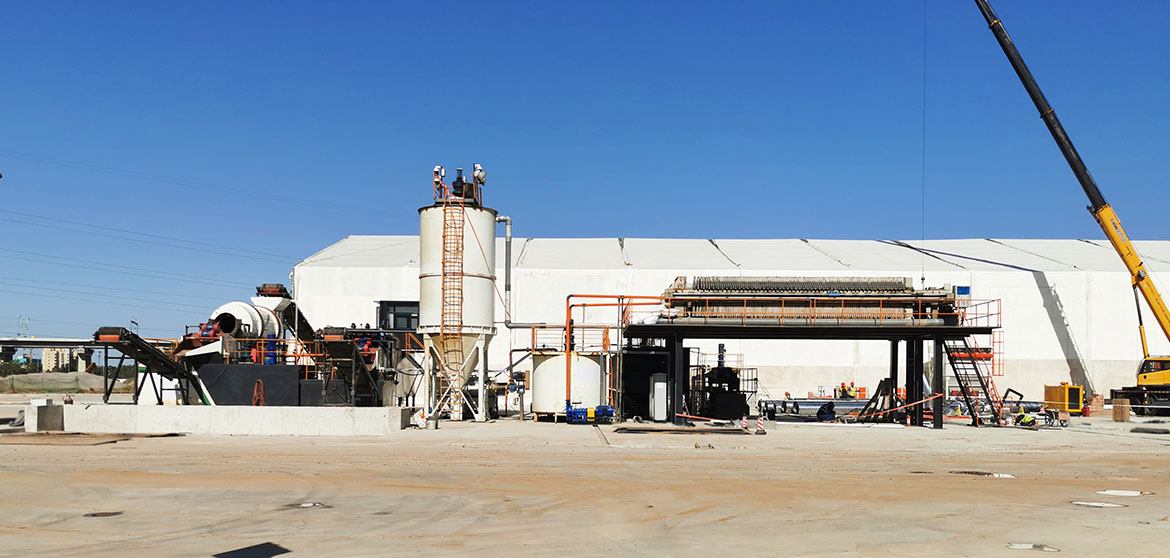
- Slurry pump wet ends: impellers, casings, shaft seals and gland packing - the most heavily loaded rotating parts on the line, running abrasive slurry all day.
- Filter press cloths and gaskets: the dewatering stage stops without them, and cloth life varies widely with slurry chemistry.
- Hydrocyclone liners and apexes: wear changes the cut point quietly long before the liner fails visibly.
- Screening media: panel meshes for vibrating screens and trommel panels, plus tension rails and clamps.
- Conveyor belts and fasteners: a torn belt idles everything upstream of it.
- Water circuit instruments: pH probes, dosing pump diaphragms, solenoid valves and level switches that keep the recycle loop compliant.
- Drive components: V-belts, couplings, motor bearings and one spare variable frequency drive for the largest motor.
Building the List Module by Module
A generic checklist misses the parts specific to your configuration. Walking the flowsheet module by module catches them - and produces a list your operators can actually navigate, so the storekeeper can match a failed part to a bin label without engineering support.
Feed, screening and attrition stage
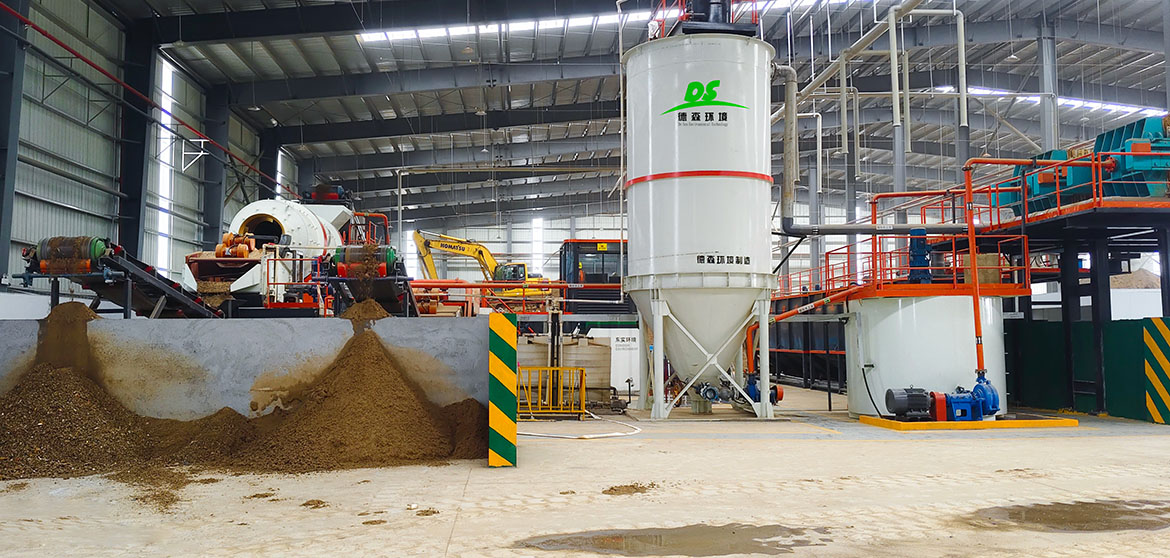
The front end of a modular soil washing plant handles the coarsest, most abrasive material. Hold screening media in the sizes the line actually runs, not in a nominal assortment. For the drum scrubber, stock lifters and liner plates if the feed is known to be rocky - a scrubber running on steel through a holed liner damages the shell underneath. For vibrating screens, keep one complete spare panel set plus the spring isolators, since cracked springs show up as amplitude loss.
Pumps, cyclones and pipework
Slurry service dominates the wear budget on a washing line. As a rule of thumb, hold one full wet-end assembly for every two identical slurry pumps, plus seals in multiples - seals fail more often than impellers and cost far less to store. For cyclones, stock liners for the design duty; a washed-out apex quietly sends coarse particles to the overflow and shifts load onto the thickener. Keep spare hose and couplings in the same diameter as every slurry line, as hose damage strikes without warning.
Dewatering and water treatment
For the filter press, cloth count should reflect real consumption on comparable projects - a line that cycles the press every 40 minutes consumes cloths far faster than the manual suggests. Add spare plate gaskets and seals for the shifting cylinder. On the water treatment side, keep reagent dosing spares (diaphragms, check valves) and at least one spare pH probe, since probe drift shows up as chemistry noise before it shows up as an alarm.
Managing the Stock Between Campaigns
A spares list written once and left in a drawer decays fast. The stock earns its keep only if classified, consumed and reordered on a rhythm.
Classify by lead time, not by price
Sort every item into three bins: days (available locally), weeks (shippable from the manufacturer's region), and months (made to order). The months bin is where a project either planned well or did not - these are the castings, fabricated tank sections and long-lead drives. Order them with the plant, not after. For the weeks bin, agree reorder points at commissioning so a replacement ships when stock drops below a set quantity, not after the next failure.
Restock against consumption, not assumption
Log every part issued, even during shakedown. After the first campaign, compare consumption with the original list: some items will never have moved, while others ran out twice. Revise the list before the next mobilization rather than carrying dead stock between sites. A quarterly review with the plant manufacturer, exchanging the consumption log for updated wear forecasts, keeps the list aligned with actual operation.
Desen Environmental supplies each modular soil washing plant with a recommended critical spares package sized to the line configuration and target market. If you are budgeting a spares inventory for an upcoming project, ask for the package breakdown alongside the plant quotation so lead-time bins can be planned before the line ships.