Modular Soil Washing Plants: The Future of Contaminated Site Remediation
Modular Soil Washing Plants: The Future of Contaminated Site RemediationIndustrial contamination is a legacy burden that cities and corporations around the world are now racing to address. From abandoned chemical plants to decommissioned mining sites, polluted land represents both an environmental
Modular Soil Washing Plants: The Future of Contaminated Site Remediation
Industrial contamination is a legacy burden that cities and corporations around the world are now racing to address. From abandoned chemical plants to decommissioned mining sites, polluted land represents both an environmental liability and a missed development opportunity. Modular soil washing systems are redefining the remediation landscape by making treatment faster to deploy, easier to scale, and significantly more cost-efficient than traditional approaches.
What Makes Modular Washing Systems Different
Conventional soil remediation often involves either soil replacement—digging up contaminated soil and backfilling with clean material—or building permanent on-site treatment facilities. Both approaches are resource-intensive and time-consuming. Modular washing plants offer a third path: pre-engineered treatment units that can be rapidly assembled, relocated, and reconfigured to match specific project requirements.
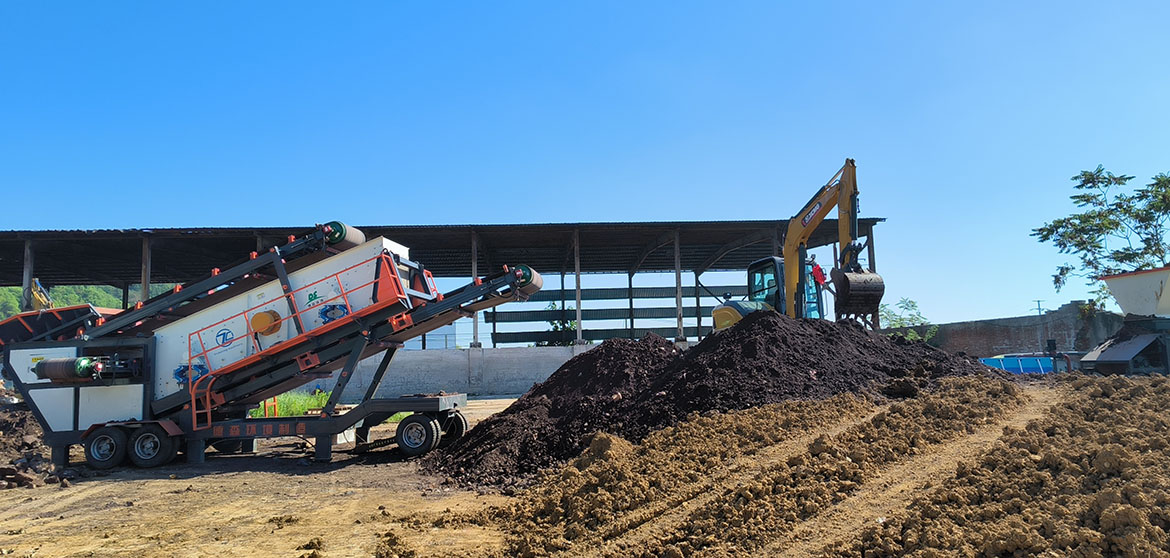
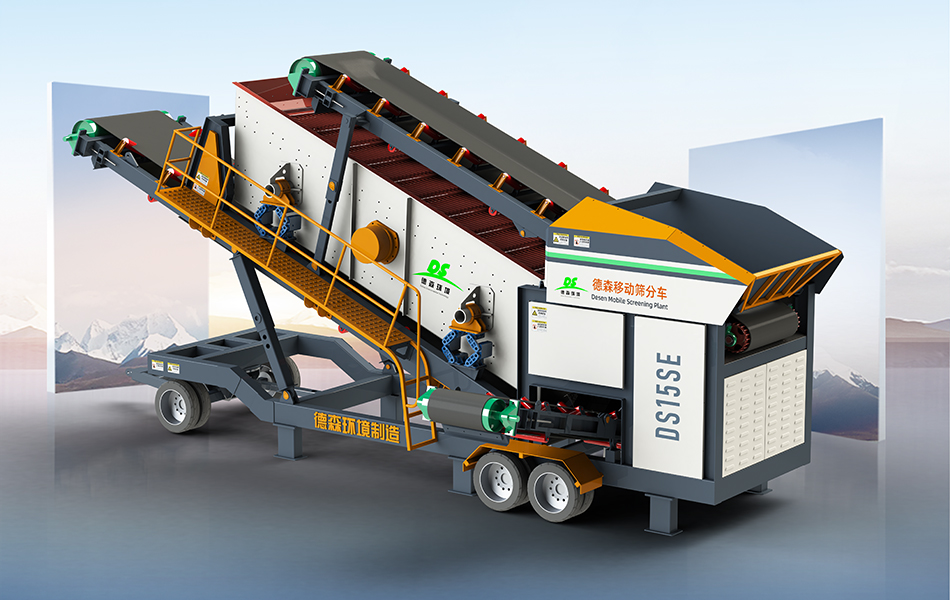
Desen Environmental's modular soil washing equipment is built around seven standardized processing modules: feeding, scrubbing and screening, soaking and classification, deep cone thickening, plate-and-frame filter pressing, water treatment, and electrical control. Each module operates independently yet integrates seamlessly, allowing project managers to scale capacity from 15 to 100 tons per hour by adding or removing units as needed.
How the Modular Washing Process Works
The treatment process begins with contaminated soil being fed into the system, where it undergoes high-intensity scrubbing to break down soil aggregates and release bound contaminants. The slurry then passes through multi-stage screening and classification, separating materials by particle size. Coarse fractions (>2mm) are cleaned and verified for reuse, while fine particles undergo further treatment. Throughout the process, proprietary washing agents target specific pollutants—heavy metals such as lead, cadmium, and chromium, as well as organic contaminants including petroleum hydrocarbons and SVOCs.
A critical innovation is the closed-loop water treatment system. Wastewater from washing and dewatering stages is treated through coagulation, sedimentation, and advanced oxidation, then recycled back into the process. With over 90% water reuse, the system minimizes both freshwater demand and wastewater discharge, meeting the most stringent environmental permitting requirements.
Real-World Applications and Project Success
Desen's modular washing technology has been deployed in some of China's largest and most complex remediation projects, including the Changsha Chromium Salt Plant remediation (the country's largest single-site remediation project), the Hangzhou Steel Industrial Heritage Park project, and multiple urban brownfield redevelopment sites. Across these projects, the equipment has treated over two million cubic meters of contaminated soil, consistently achieving regulatory cleanup targets while reducing project timelines by 30-40% compared to conventional methods.
For environmental engineering firms, government agencies, and industrial site owners, modular soil washing systems offer an unmatched combination of flexibility, efficiency, and environmental performance—proving that contaminated land need not remain a permanent burden but can be transformed into a valuable asset.