How Mobile Soil Washing Equipment Transforms Oil Sludge Treatment Efficiency
How Mobile Soil Washing Equipment Transforms Oil Sludge Treatment EfficiencyOil sludge is one of the most persistent challenges in the petroleum industry. Generated from drilling operations, pipeline leaks, and storage tank sedimentation, oil-contaminated sludge poses serious environmental risks to
How Mobile Soil Washing Equipment Transforms Oil Sludge Treatment Efficiency
Oil sludge is one of the most persistent challenges in the petroleum industry. Generated from drilling operations, pipeline leaks, and storage tank sedimentation, oil-contaminated sludge poses serious environmental risks to soil and groundwater. Traditional treatment methods—such as incineration or landfill disposal—are not only costly but also fail to recover valuable resources. Mobile soil washing equipment has emerged as a game-changing solution, offering on-site remediation that is faster, greener, and more cost-effective.
The Growing Challenge of Oil Sludge Contamination
Globally, millions of tons of oil sludge are generated each year from oil fields, refineries, and petrochemical facilities. When left untreated, these contaminants leach into surrounding soil, damaging ecosystems and rendering land unusable. Regulatory bodies worldwide are tightening environmental standards, pushing operators to adopt more sustainable remediation practices. For oil field operators and environmental contractors, the key question is: how to achieve efficient oil sludge treatment without excessive downtime or infrastructure costs.
Why Mobile Soil Washing Equipment Is the Answer
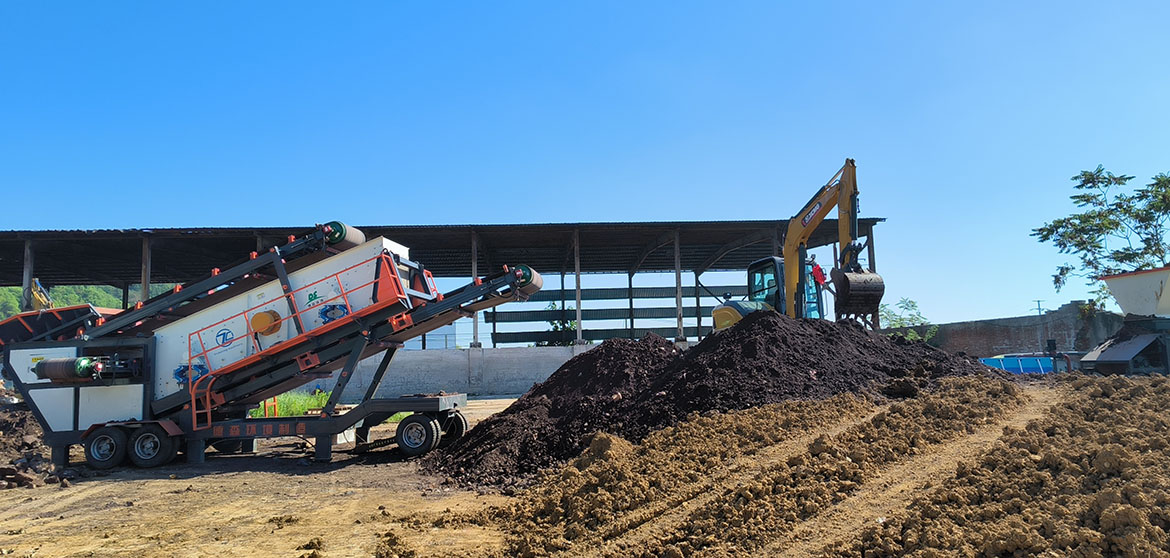
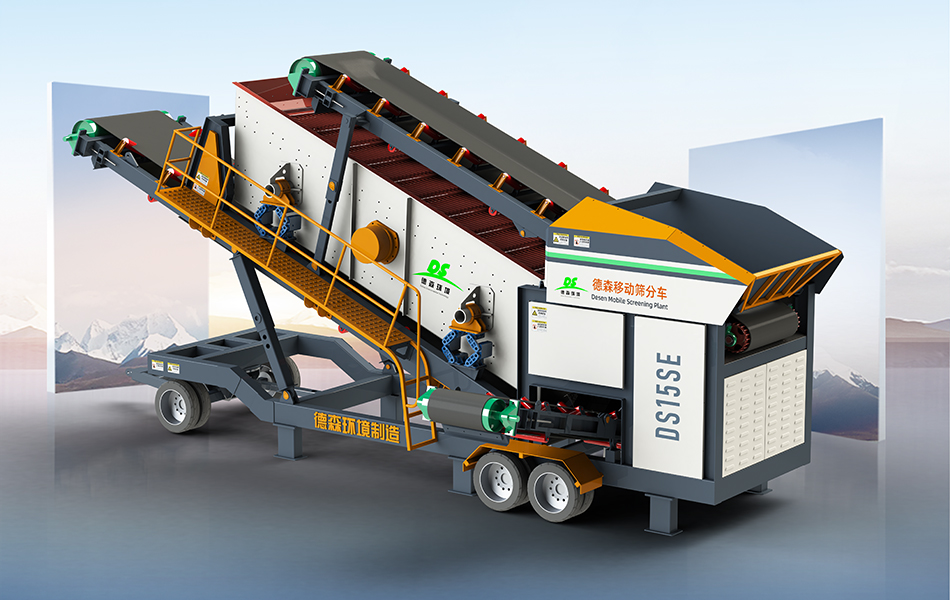
Unlike fixed remediation plants that require contaminated soil to be excavated and transported off-site, mobile soil washing equipment brings the treatment process directly to the contamination source. Desen Environmental has developed a comprehensive mobile soil washing system that integrates material feeding, scrubbing, grading, solid-liquid separation, and water treatment into a single towable platform. This arrive-and-remediate model eliminates the logistical costs and safety risks associated with long-distance soil transport.
The equipment uses a combination of physical scrubbing and chemical washing agents to separate oil from soil particles. Through a multi-stage process involving high-efficiency scrubbing, cyclone desanding, and gradient classification, the system can reduce soil petroleum hydrocarbon levels to below 2000 mg/kg—meeting stringent environmental discharge standards.
Key Advantages of the Desen Mobile Washing System
- Rapid Deployment: Modular design enables setup within 1-3 days, with no concrete foundation required.
- Closed-Loop Water Recycling: Over 90% of washing water is treated and reused, minimizing freshwater consumption.
- High Throughput: Processing capacity of 15-100 tons per hour, adaptable to project scale.
- Intelligent Control: DCS smart control with 5G IoT remote monitoring for real-time operational oversight.
- Zero Secondary Pollution: Fully enclosed processing ensures wastewater, exhaust, and solid residues all meet compliance standards.
Proven Results in Oil-Contaminated Soil Remediation
Desen's mobile washing technology has been successfully deployed in an Abu Dhabi oil field remediation project, where it processed approximately 100,000 tons of oil-contaminated soil. Operating in extreme heat conditions exceeding 50°C, the equipment maintained stable processing at 100 tons per hour and recovered over 5,000 tons of crude oil. The treated soil met UAE environmental standards, demonstrating the system's reliability in harsh operating environments.
For oil field operators facing tightening environmental regulations and rising remediation costs, mobile soil washing equipment represents a practical, scalable, and sustainable path forward. By treating contaminated soil on-site and recovering valuable hydrocarbons, this technology delivers both environmental compliance and operational efficiency.