Screening Contaminated Soil Before Washing: Pretreatment That Protects Your Soil Washing Plant
Screening contaminated soil before washing removes oversize debris and prepares a consistent feed. This guide covers pretreatment screen selection, cut sizes and washing plant benefits.
Screening Contaminated Soil Before Washing: Pretreatment That Protects Your Soil Washing Plant
A soil washing plant is engineered to process soil — not concrete slabs, rebar, plastic sheeting, drums or boulders. On remediation sites across North America, excavated material rarely arrives clean: construction rubble, roots and foreign debris are mixed into the contaminated matrix, and moisture content varies from stockpile to stockpile. Feeding that mixture directly into the washing line is the fastest way to stop production. Screening contaminated soil before washing is the pretreatment step that decides whether the plant runs continuously or stalls every shift. This article explains what the screening stage removes, how to configure it for different soil conditions, and how a well-set screening stage improves the washing modules downstream.
What the Screening Stage Removes — and Why It Matters
Pretreatment screening is often described as simple sizing, but on contaminated soil its role is broader. The screen deck is the last controlled checkpoint before material enters the washing equipment, and it is the last chance to catch anything that would damage or overload the plant. Typical outputs of the stage include:
- Oversize material — cobbles, concrete chunks and compacted clay lumps that exceed the feed size limit of the washing plant.
- Foreign debris — rebar, plastic film, wood, roots and packaging that can wrap around shafts or block pumps and pipework.
- Prepared undersize — the minus-size fraction with an open, flowable structure that washes efficiently.
The cost of skipping this step
When oversize and debris reach a washing plant, the consequences compound quickly. Oversize lumps blind screen panels inside the plant, sand pumps handle rock instead of slurry, and separation equipment fills with material it cannot process. Every unplanned stop also delays the dewatering and water recycling loop, so one blocked chute can idle an entire treatment line. A screening stage placed ahead of the plant absorbs this punishment instead, at a fraction of the maintenance cost.
Why classification matters for washing efficiency
Soil washing works by liberating contaminants into the wash water, and liberation depends on particle size. Coarse particles respond well to attrition scrubbing, while fine silts and clays carry most of the contaminant load and need separate treatment. Screening before washing separates the feed into defined fractions, so each washing module receives material within its design range. Without this classification, coarse and fine material travel together and the plant loses control of both retention time and wash water distribution.
Configuring the Screening Stage for Contaminated Soil
Screen type and soil condition
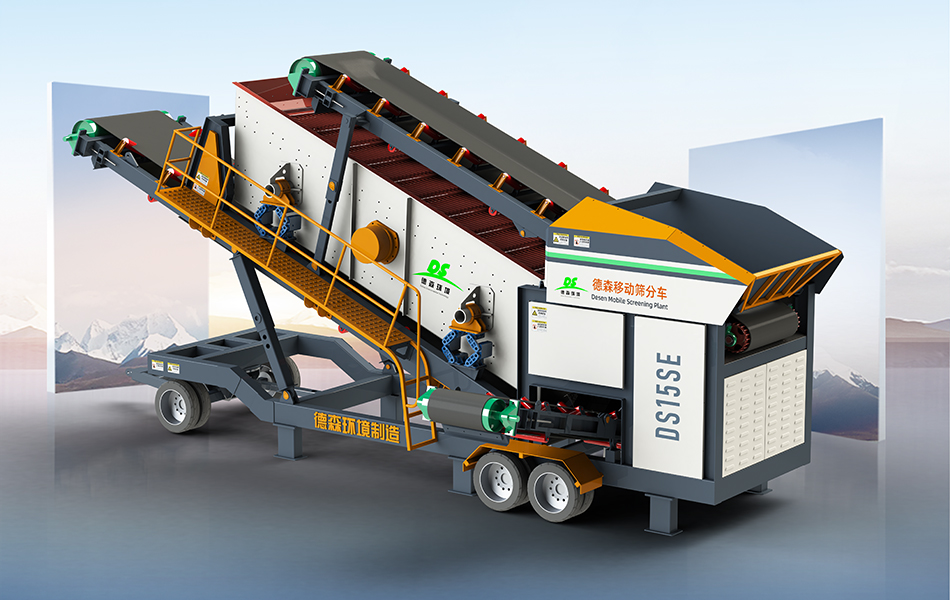
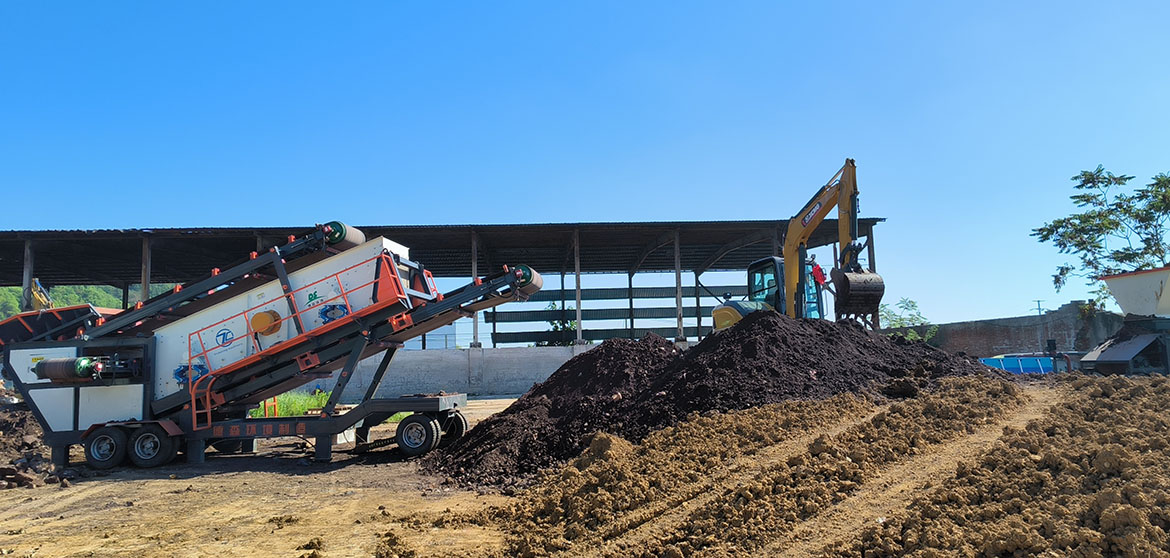
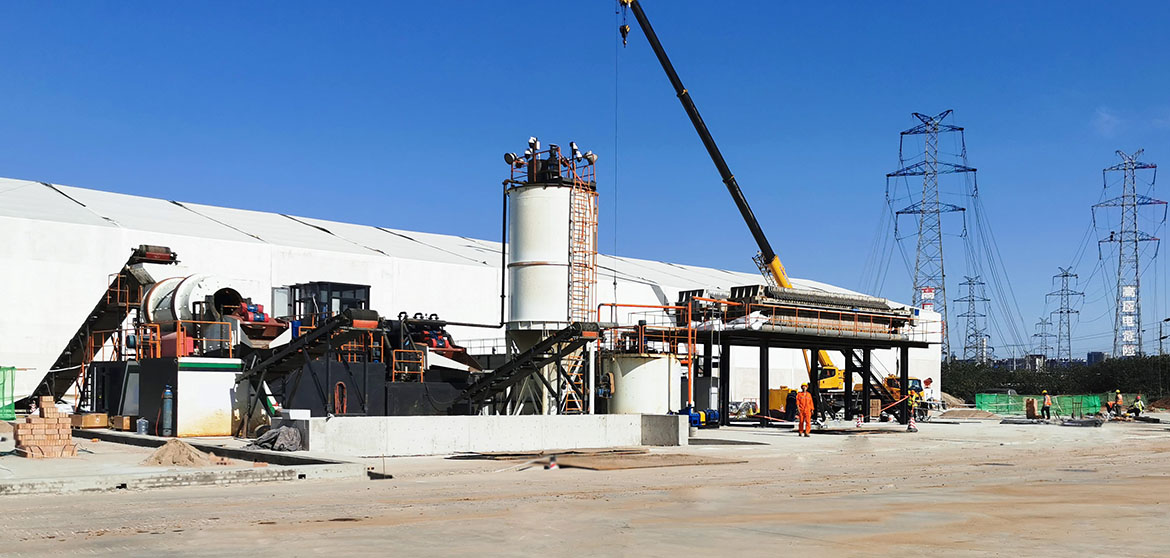
Screen selection follows the soil, not the catalogue. Dry, granular soil screens well on conventional vibrating decks, where capacity and multi-size classification are strong. Wet or clay-rich soil behaves differently: fine apertures blind over, plastic lumps smear across the surface, and throughput collapses. In these conditions, an open bar screen or a trommel screen handles the feed more reliably, because their surfaces stay self-clearing under sticky material. Many remediation projects therefore combine stages — a coarse bar screen for lumpy feed, followed by a trommel or vibrating screen for sizing — before the material enters the washing modules.
Setting cut sizes around the washing plant
Cut sizes are not chosen in isolation. The upper limit matches the maximum feed size of the washing plant, commonly in the range of a few tens of millimetres. The lower limit separates the fines fraction that will be handled by the slurry and dewatering circuit instead of the main wash drums. Getting these two points right determines how much soil reports to the washing line and how much goes to the fines treatment loop — which in turn drives the project's mass balance and disposal volumes.
What Good Pretreatment Delivers Downstream
A screening stage that is matched to the soil pays for itself through the washing plant's performance:
- Stable feed — the washing line receives material within its design size range, so throughput stays predictable.
- Lower wear — pumps, pipework and separation equipment process soil instead of rock and debris.
- Controlled washing results — classified feed allows consistent residence time and wash water distribution for each fraction.
- Smaller disposal volume — oversize debris is removed early, so only genuine contaminated fractions enter the treatment and disposal chain.
Desen Environmental supplies mobile screening plants and modular soil washing equipment that are configured as one flow sheet, so the screening pretreatment and the washing modules are sized together rather than bought separately. For contaminated soil projects in North America and other markets, this combined approach shortens site setup and keeps the pretreatment stage matched to the plant behind it. If you are planning a remediation project, our engineering team can review your soil analysis and propose a screening and washing configuration for your site — contact us at desengroups@gmail.com.