Mobile Bar Screen for High Moisture Clay Soil: Practical Pre-Screening for Wet Remediation Sites
High-moisture clay blinds fine screens fast. See how a mobile bar screen pre-screens wet clay soil, keeps material moving and protects downstream washing equipment.
Mobile Bar Screen for High Moisture Clay Soil: Practical Pre-Screening for Wet Remediation Sites
In tropical and monsoon climates, excavation rarely waits for dry weather. Remediation and construction sites across Southeast Asia routinely handle clay-rich soil at moisture levels that stop an ordinary screen within the first hour of operation. A mobile bar screen for high moisture clay soil attacks this problem at its source: it removes coarse, wet, adhesive lumps before they ever reach a fine screening deck or a washing line. This article explains why wet clay is so difficult to screen, how a bar screen keeps material moving, and what to consider when deploying one on a humid site.
Why High Moisture Clay Blinds Conventional Screens
Clay behaves differently from sand and gravel as soon as free moisture appears between particles. Fine grains stop flowing as individuals, form plastic lumps, and smear across whatever surface they touch. Woven mesh and fine polyurethane panels are especially vulnerable: their small apertures are exactly the size of the agglomerates that wet clay produces. Once a few lumps lodge in the openings, effective open area collapses and the deck starts carrying material instead of separating it.
Three Failure Modes to Watch
- Blinding and pegging — moist fines coat the apertures; sticky lumps wedge into them and stay there until an operator clears the deck by hand.
- Build-up at transfer points — clay adheres to hopper walls, chutes and belt scrapers, so the whole pre-treatment stage needs constant attention.
- Unstable feed after rainfall — a shower can turn a workable feed into large fused lumps overnight, changing the load on the screen without warning.
On sites where the digger keeps working through the wet season, these failure modes translate directly into lost tonnage and extra labour. The practical answer is to keep fine screens out of the path of the worst material.
How a Mobile Bar Screen Handles Wet Clay
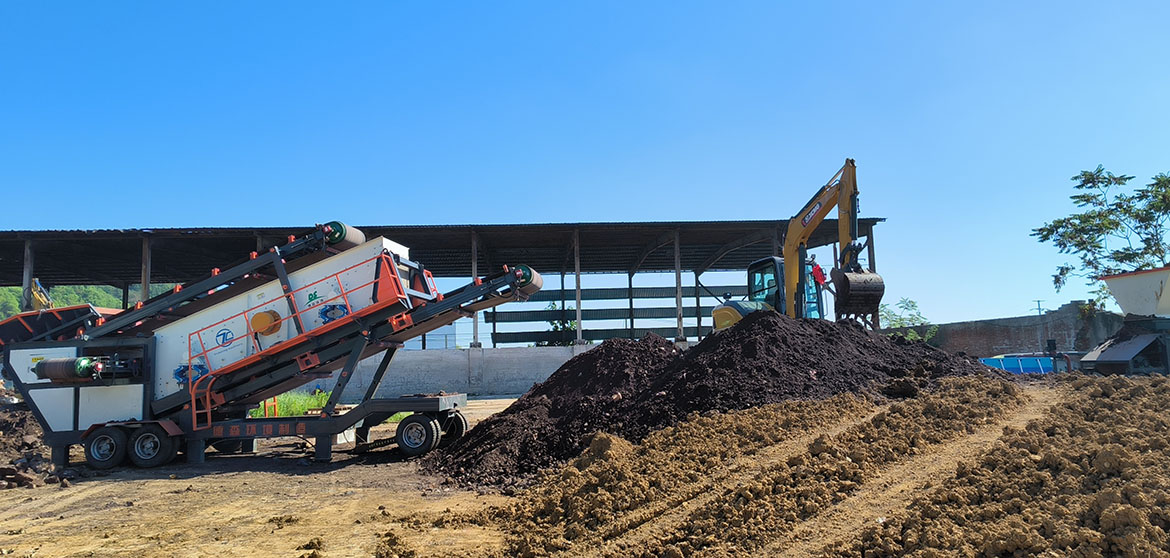
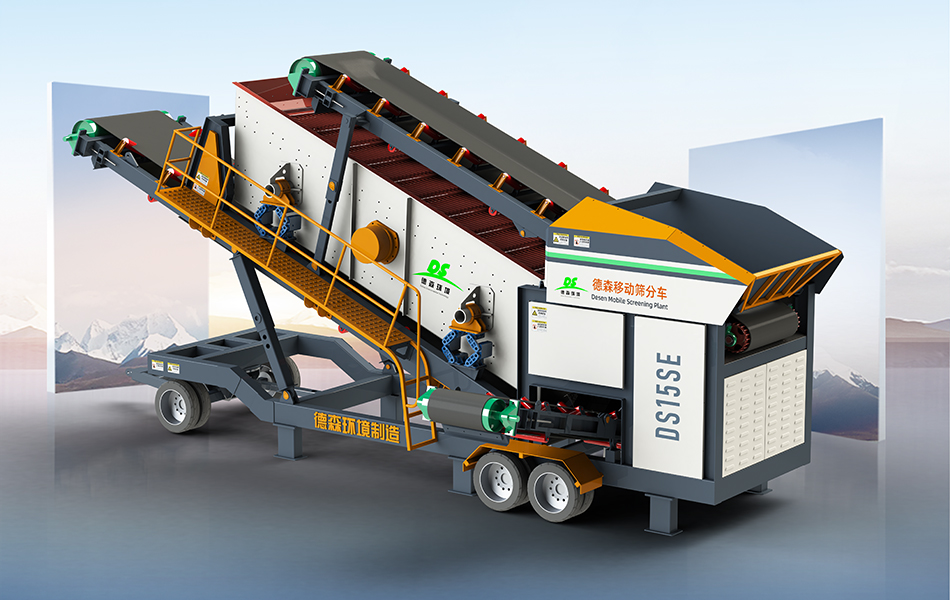
A bar screen uses parallel steel bars set at a fixed spacing instead of a continuous mesh surface. There are no small apertures for clay to bridge across, so the deck keeps working where mesh screens stall. Material slides or tumbles along the inclined bar deck: lumps larger than the bar spacing travel to the discharge end and roll off for crushing or separate handling, while soil, fines and smaller aggregates fall through for the next process step. Because the surface is open and self-clearing by design, wet adhesive feed rarely builds a stable cake on it.
Bar Spacing, Deck Angle and Throughput
Performance comes down to three settings. Bar spacing should match the largest lump the downstream process can accept — wide enough to let wet fines pass freely, narrow enough to protect the equipment behind it. Deck angle determines how fast sticky material travels; steeper decks keep plastic clay moving instead of resting on the bars. Feed control matters as well: a steady excavator or loader feed keeps the lump layer thin, and a thin layer is far less likely to bridge between bars.
Working as the First Stage of a Washing Line
On soil washing projects, the bar screen is rarely the end of the story. It acts as the first defence: coarse wet lumps and debris are removed before the material reaches a trommel or a vibrating screen for finer classification, and then the washing modules. This staged arrangement protects the fine screening surfaces and the pumps behind them, and it makes the whole flow sheet far more tolerant of moisture swings between the dry and wet season.
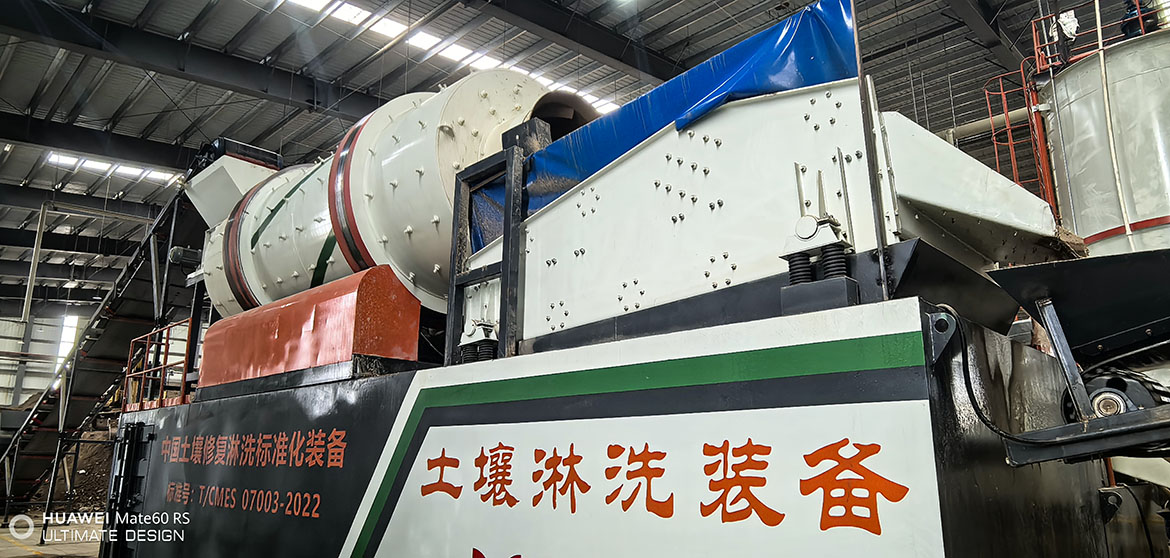
Deployment Considerations for Humid Climates
Mobility is the second half of the solution. A trailer-mounted or track-mounted screening unit can follow the excavation face instead of waiting for soil to be hauled to a fixed plant, which shortens the material loop and cuts haulage cost. Before moving a bar screen onto a wet site, walk through a short checklist:
- Ground conditions — choose a level, drained standing area; soft ground costs setup time and complicates discharge stockpiles.
- Power option — a self-powered diesel-hydraulic unit avoids dependence on site electricity, which matters on greenfield remediation plots.
- Water management — plan for rainwater and wash water around the discharge points so fines do not pool under the unit.
- Service access — keep space for daily cleaning of bars and chutes; in the wet season this is a routine task, not an emergency.
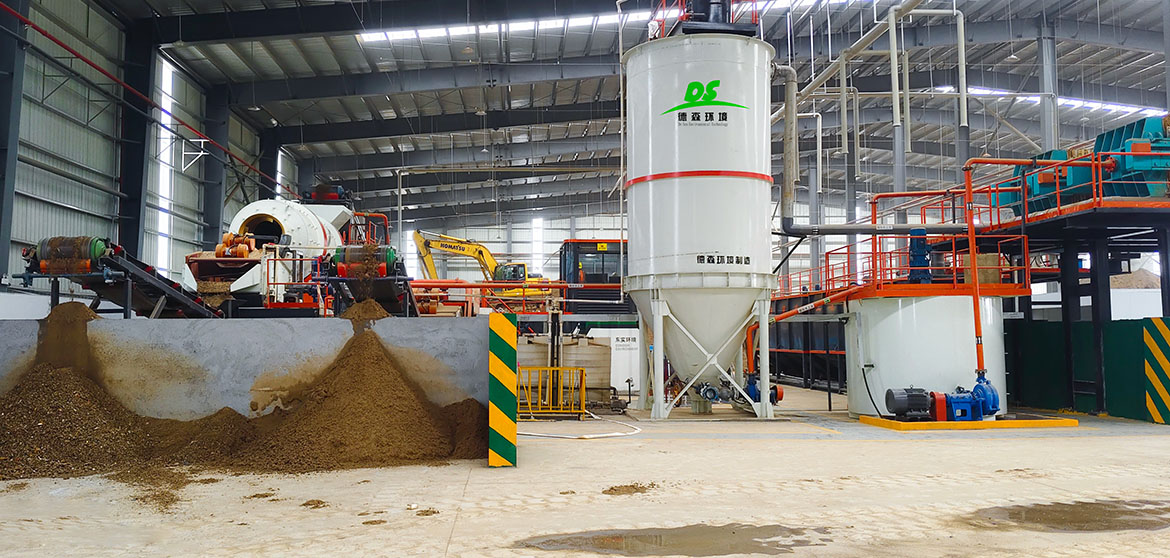
Handled this way, high moisture clay stops being a stop-work condition. The bar screen takes the punishment of the wettest, stickiest feed, and the equipment behind it runs on material that is already prepared. Desen Environmental supplies mobile screening and soil washing equipment for remediation contractors working in monsoon-affected regions, and our engineers can help you size the bar spacing and flow sheet to your soil. Contact us with your project details for a tailored configuration.