Modular Soil Washing Plant: Efficient Contaminated Soil Treatment Solutions
Explore how modular soil washing plants deliver efficient contaminated soil treatment for heavy metal and hydrocarbon remediation. Learn about flexible system design, proven case studies, and deployment advantages.
Understanding Modular Soil Washing Technology
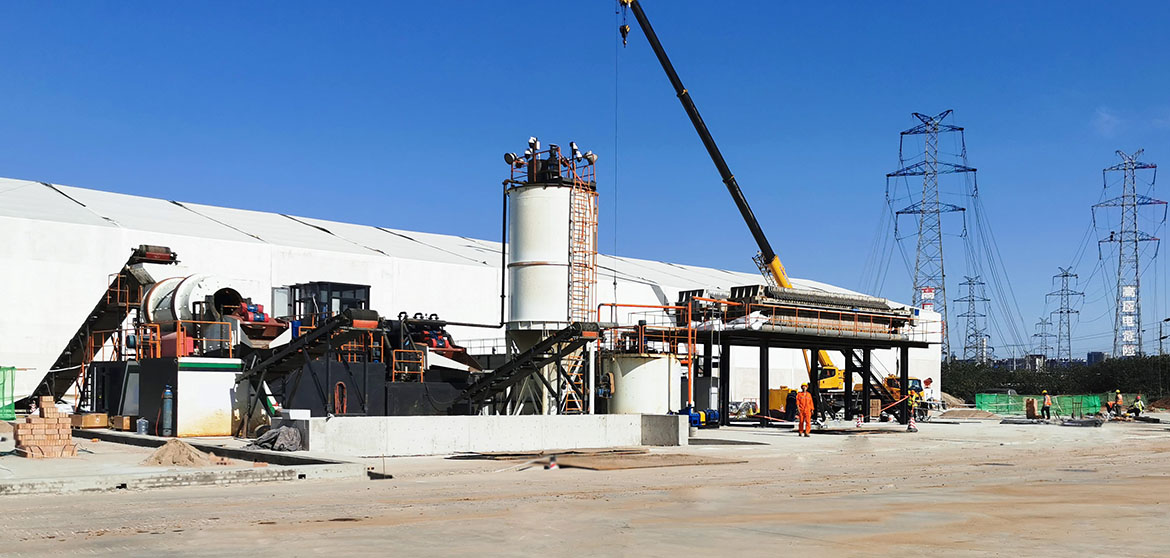
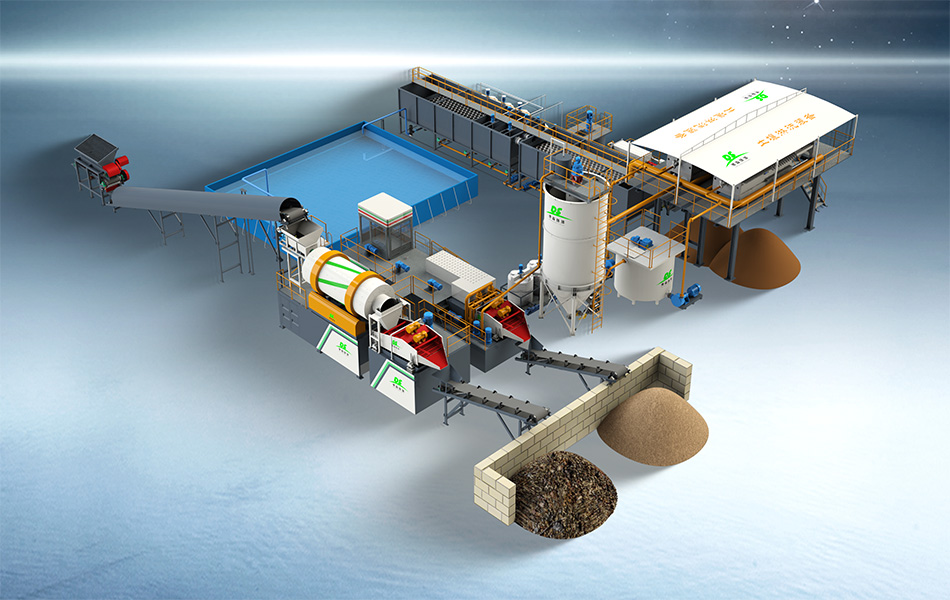
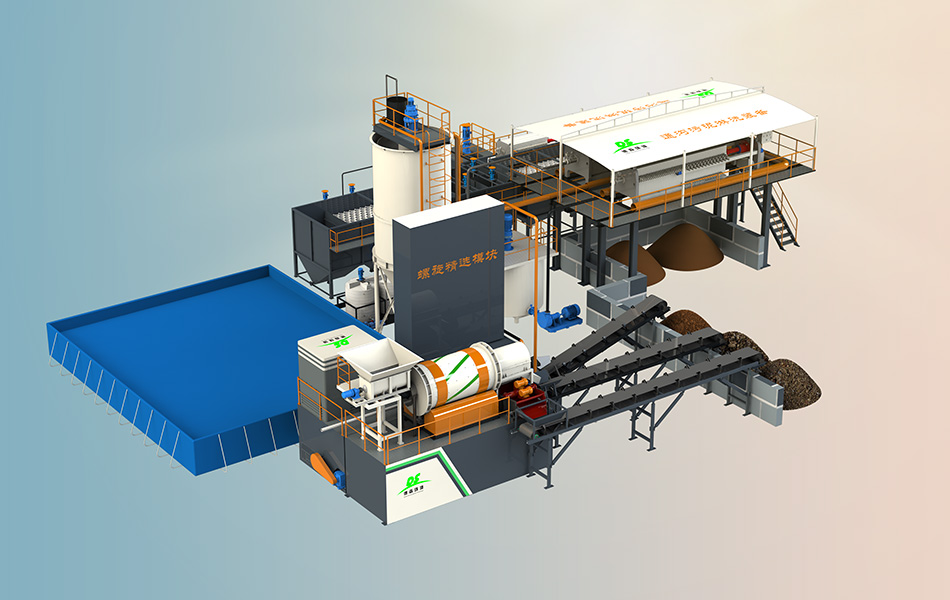
A modular soil washing plant is an ex-situ remediation system designed to treat contaminated soil through physical and chemical separation processes. Unlike monolithic fixed installations, modular systems are composed of independent functional units — feeding, scrubbing and screening, classification and washing, thickening, dewatering, and water treatment — that can be transported separately and rapidly assembled on site. This design philosophy transforms what was once a permanent factory into a deployable, replicable, and intelligent remediation workstation, capable of relocating between project sites with minimal downtime.
How the Modular Washing Process Works
The modular soil washing process follows a carefully engineered sequence to separate contaminants from soil matrices:
- Pre-treatment and feeding: Contaminated soil is pre-screened on site to remove oversized debris and fed into a hopper with controlled water-to-soil ratio, typically ranging from 1:1 to 5:1 depending on soil characteristics.
- Rotary drum scrubbing: The soil enters a rotary scrubbing drum where high-strength friction bars lift, tumble, and shear the material. This mechanical action, combined with chemical reagents when needed, effectively dislodges contaminants bound to particle surfaces.
- Classification and washing: A hydro-screen separates materials larger than 2 mm as coarse aggregate. Fine slurry passes into a soaking and classification module where hydraulic classification and gravity separation work together to isolate 0.15–2 mm sand fractions from contaminated fines.
- Thickening and dewatering: The remaining fine slurry is thickened in a deep cone thickener with flocculant addition, then dewatered through a filter press. Clean water is recycled back into the process, achieving over 90% water reuse.
Flexible Configuration for Diverse Contaminants
Modular washing plants excel at handling multiple contaminant types. For heavy metal contamination commonly found at smelter sites, electroplating facilities, and mining areas, chemical washing agents are added during the scrubbing and soaking stages to mobilize metals such as lead, cadmium, zinc, and chromium from soil particles. For petroleum hydrocarbon contamination from oilfields, refineries, and fuel storage facilities, surfactant-enhanced washing combined with oil-water separation achieves effective TPH reduction. Systems can also address mixed contamination scenarios where both heavy metals and organic pollutants are present, using staged chemical treatment and process optimization.
Operational Efficiency and Deployment
One of the most compelling advantages of modular systems is deployment speed. A standard 30 ton-per-hour line can be installed and commissioned within 15 days on a prepared hardstand, compared to months required for fixed plants. The system occupies approximately 1,200 square meters and requires only standard industrial power (380V, 50Hz three-phase) and municipal water supply. Operating with 3 to 4 personnel per shift, a modular washing plant achieves low operating costs while maintaining high throughput. The DCS intelligent control system with 5G cloud connectivity enables remote monitoring, real-time parameter display, and seamless data integration with regulatory oversight requirements.
Industry Applications and Track Record
Modular soil washing plants have been deployed in numerous landmark projects. A chromium salt plant remediation in Changsha — China's largest single-site remediation project — utilized modular washing technology to treat heavily contaminated soil. The Hangzhou Steel Industrial Heritage Park project, a national-level cultural site, relied on modular washing for brownfield remediation before redevelopment. Internationally, modular systems have been applied in the Abu Dhabi oil soil remediation project, treating petroleum-contaminated sandy soil under extreme heat conditions. These diverse applications demonstrate the technology's versatility across heavy metal, petroleum, and mixed contamination scenarios in both urban and remote settings.