Mobile Soil Washing Equipment for Oil Sludge Treatment: A Complete Guide
Discover how mobile soil washing equipment transforms oil sludge treatment with rapid deployment and high efficiency. Learn about Desen Environmental's proven solutions for oilfield soil remediation projects worldwide.
What Is Mobile Soil Washing Equipment?
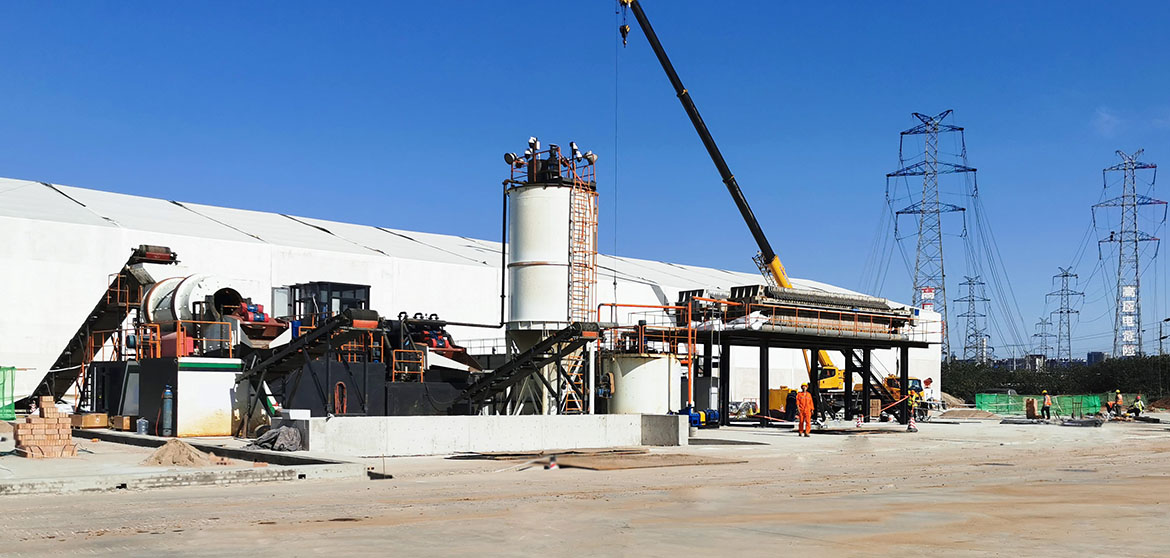
Mobile soil washing equipment is a self-contained remediation system that integrates feeding, screening, scrubbing, solid-liquid separation, and wastewater treatment into standardized mobile platforms. Unlike traditional fixed plants that require months of civil construction, mobile units can be transported by road, rail, or sea and begin operations within 24 to 72 hours of arrival. This rapid deployability makes them ideal for emergency spill response, remote oilfield sites, and temporary remediation projects where time and infrastructure are limited.
How Mobile Soil Washing Treats Oil Sludge
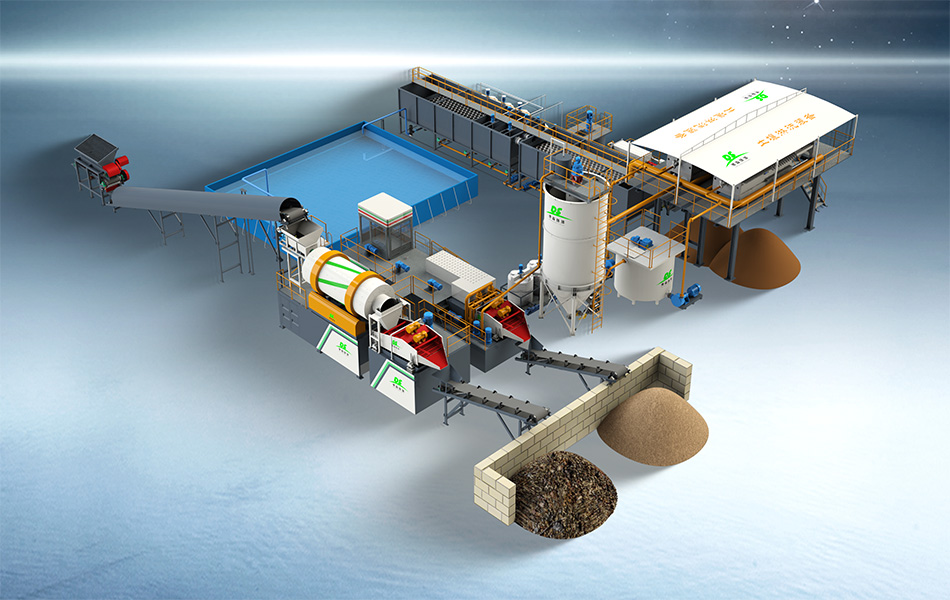
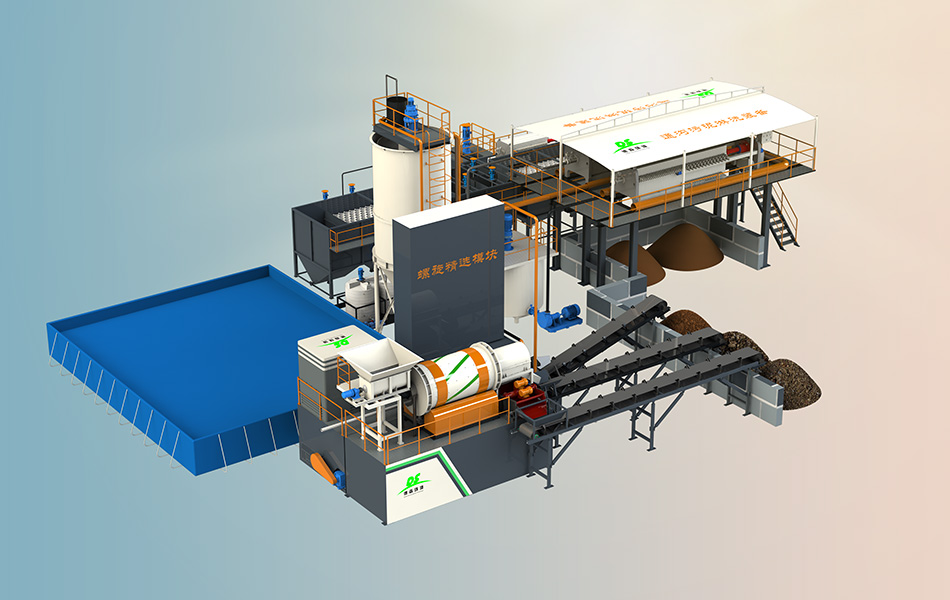
Oil sludge — a complex mixture of petroleum hydrocarbons, water, and solid particles — poses significant environmental risks at drilling sites, refinery areas, and pipeline corridors. Mobile soil washing equipment addresses this challenge through a multi-stage process:
- Pre-screening and feeding: Contaminated soil is loaded into a hopper with variable-frequency control, ensuring uniform material flow into the scrubbing unit.
- Rotary drum scrubbing: The core scrubbing module uses friction, impact, and tumbling action to dislodge oil from soil particles. Chemical agents such as surfactants can be added at this stage to enhance oil separation efficiency.
- Multi-stage classification: Hydro-screens and hydrocyclones separate cleaned coarse materials (greater than 2 mm) from fine slurry. Intermediate fractions (0.15–2 mm) undergo secondary washing for maximum contaminant removal.
- Solid-liquid separation: A deep cone thickener concentrates fine slurry, which is then dewatered by a filter press. The resulting filter cake meets regulatory standards for safe disposal or reuse.
- Water recycling: Process water passes through chemical treatment (coagulation, flocculation, oxidation) and is recirculated, achieving over 90% water reuse and near-zero liquid discharge.
Key Advantages of Mobile Systems
Mobile soil washing equipment offers distinct advantages over fixed installations for oil sludge treatment. Deployment requires only a compact leveled hardstand area of approximately 400 square meters, with no concrete foundation needed. The modular design allows single-unit operation or multi-unit parallel expansion to match project scale. Intelligent PLC control with 5G cloud connectivity enables real-time remote monitoring of all process parameters. Most importantly, treatment capacities of 15–100 tons per hour can be achieved depending on configuration, making mobile systems suitable for projects ranging from small-scale spill cleanup to large-volume oilfield remediation.
Proven Results in Oilfield Remediation
Mobile soil washing technology has been successfully deployed in major oil-producing regions. In Abu Dhabi, a mobile washing system treated over 100,000 tons of oil-contaminated soil, reducing TPH levels to below 2,000 mg/kg in compliance with UAE environmental standards. The project recovered approximately 5,000 tons of crude oil for reuse, demonstrating both environmental and economic benefits. Similar systems are increasingly adopted across Middle Eastern markets, where sandy soils and high-temperature conditions favor physical washing over biological or thermal treatment methods.
Choosing the Right Equipment for Your Project
When selecting mobile soil washing equipment for oil sludge treatment, consider the soil type (sandy soils are ideal for washing), contamination level (systems are optimized for TPH below 50,000 mg/kg), required throughput, site accessibility for trailer transport, and local water and power availability. Leading manufacturers offer customizable configurations with options for thermal washing modules, chemical dosing systems, and advanced water treatment packages. For projects in harsh environments — such as Middle Eastern deserts with ambient temperatures exceeding 50°C — specialized features like IP65-rated control cabinets and high-temperature motors ensure reliable continuous operation.