Soil Washing Mass Balance Reduction Ratio 80 Percent: Where the Excavated Volume Actually Goes
A soil washing mass balance with a reduction ratio of 80 percent turns one tonne of contaminated soil into roughly 200 kg of filter cake. See where the volume goes.
Soil Washing Mass Balance Reduction Ratio 80 Percent: Where the Excavated Volume Actually Goes
When a soil washing supplier quotes a "reduction ratio of 80 percent", the figure deserves more attention than most of the brochure. It is an arithmetic statement about the plant: of every tonne of excavated soil fed into the washing plant, only about 200 kilograms leave the site as material requiring disposal. The remaining 800 kilograms exit as reusable aggregate, washed sand or clarified water routed back into the circuit. That single ratio drives haulage cost, landfill gate fees and overall project duration — frequently to a greater degree than the price of the equipment itself. This article explains how the mass balance behind the number is built, where each kilogram goes, and which figures a project owner should request before signing a supply contract.
What an 80 Percent Reduction Ratio Actually Measures
The reduction ratio is measured on the dry solids passing through the plant. Feed entering the washing line is split into defined output streams, and the ratio compares the mass sent to disposal against the mass treated. An 80 percent figure means one tonne of feed produces roughly 150 to 250 kilograms of dewatered cake, with the exact value set by the soil composition and the reuse criteria of the project. It is not a marketing claim but an engineering calculation, and it should always be presented with the assumptions behind it.
The four output streams of a washing circuit
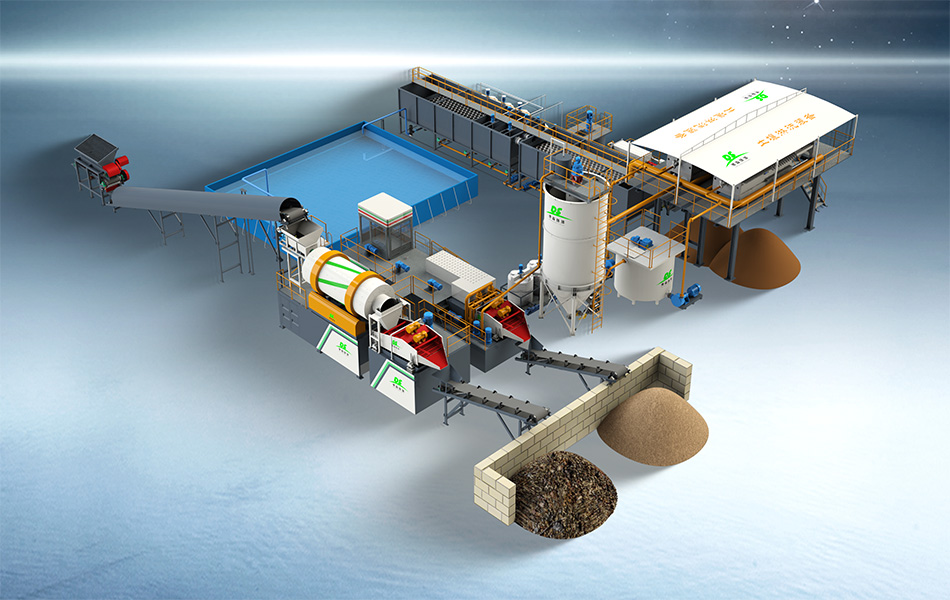
- Clean coarse aggregate — the gravel fraction after attrition scrubbing, typically suitable for reuse on site as backfill or general construction material.
- Washed sand fraction — sand separated by hydraulic classification, with contaminant levels low enough for beneficial reuse on many remediation projects.
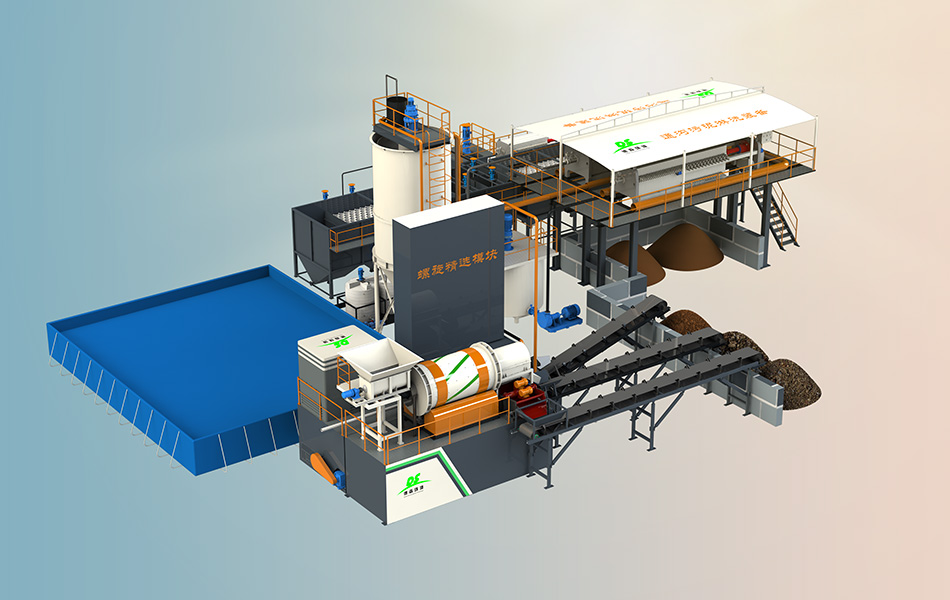
- Dewatered filter cake — fine particles carrying the concentrated contaminants, pressed into compact cakes and routed to licensed disposal.
- Recycled process water — leaves the mass balance as volume rather than mass, clarified and returned to the washing circuit.
Read together, these streams explain why the ratio matters financially. If a project treats 10,000 tonnes and the balance holds, disposal volume falls from ten truckloads per tonne-batch to about two — a direct, four-to-five-fold cut in haulage and gate fees. On urban brownfield sites where disposal distance is measured in tens of kilometres, this difference often decides whether the remediation budget closes.
Why the ratio is a range, not a constant
The same plant can deliver different ratios on different soils. Sandy material with a low fines content generally achieves a higher reduction, because a large share of the mass leaves the screen deck as clean oversize and washed sand. High-plasticity clay behaves in the opposite way: fines dominate the gradation, they carry most of the contamination, and the disposal fraction grows accordingly. Contaminant type and the reuse standards applied by the local regulator shift the balance further. This is why a credible supplier submits a mass balance table calculated from the project soil, rather than repeating one figure for every enquiry.
How the Plant Achieves the Reduction
Screening sets the first split
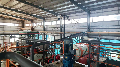
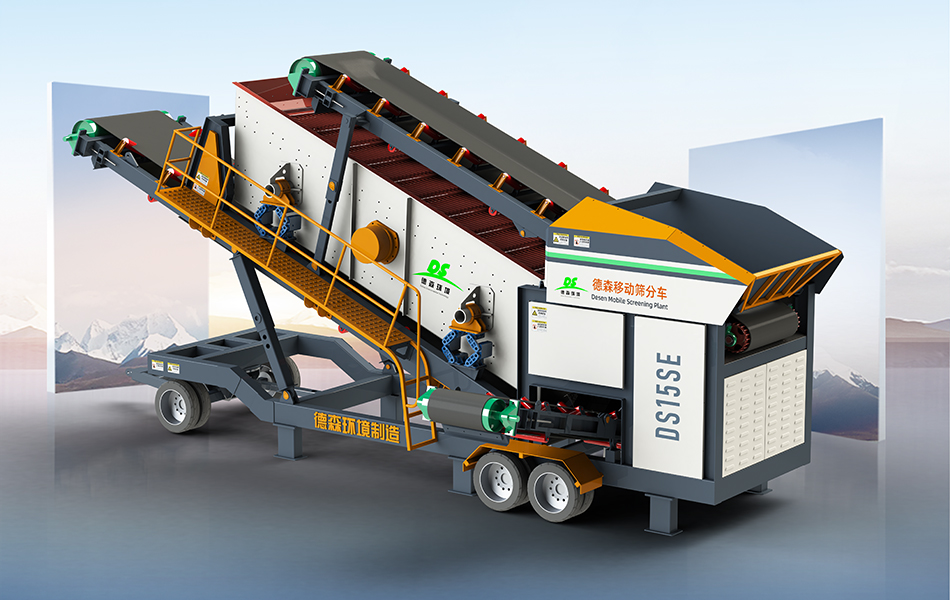
The mass balance starts before any water is added. A trommel or vibrating screen removes oversize cobbles, rubble and debris, dividing the feed into a reject stream and a prepared undersize fraction suited to washing. On sites with variable material, a mobile screening unit performs this split close to the excavation face, so only washable soil travels to the washing plant and nothing that would never wash is hauled, processed and hauled again.
Washing concentrates contaminants into the fines
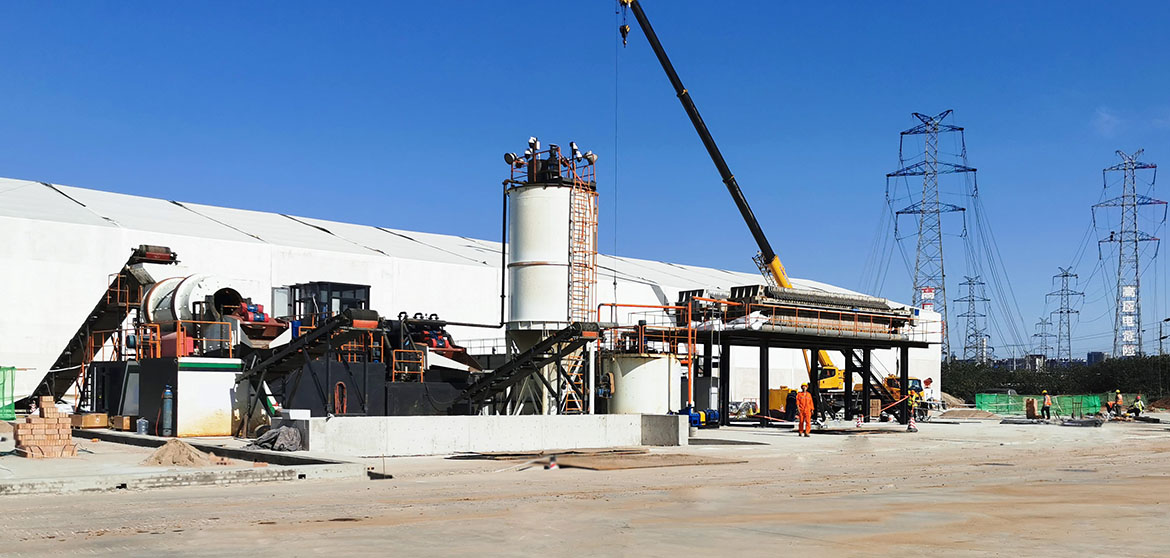
Inside the washing plant, attrition scrubbing breaks down agglomerates and strips contaminants from sand and gravel surfaces. Hydraulic classification then sorts the slurry by particle size, and the engineering logic becomes visible: heavy metals and hydrocarbons attach preferentially to fine and organic particles, so the coarse fractions wash clean while the fines and dissolved fraction carry the pollution load toward water treatment. Every process stage after that point exists to shrink this contaminated fraction — thickening raises the solids content, and a filter press squeezes the slurry into compact cakes with a moisture content often between 25 and 35 percent. What began as a dilute slurry occupying large settling volumes leaves the plant as a stack of handleable cakes.
Which Numbers to Request Before You Sign
A reduction ratio quoted in isolation is difficult to verify. The figures below turn it into something a project owner can check against the site data, and any equipment supplier should be able to provide them without prompting:
- Grain size distribution of the actual project soil, based on laboratory testing rather than an assumed average.
- A mass balance table listing every output stream in tonnes per hour for the design feed rate.
- Expected filter cake tonnage and moisture content, so disposal contracts can be priced accurately.
- Fresh water consumption per tonne of soil while the recycling loop is in normal operation.
- The destination of each output stream under the waste regulations of the project jurisdiction.
Desen Environmental sizes each modular soil washing plant around the mass balance of the specific project, from the screening stage through to the filter press. If you are comparing offers and want a second opinion on the numbers behind them, send the site soil data to desengroups@gmail.com — our engineers will return a calculated balance rather than a brochure figure.