How Soil Washing Remediates PAH and BTEX Contaminated Soil
Polycyclic aromatic hydrocarbons (PAHs) and BTEX compounds (benzene, toluene, ethylbenzene and xylenes) are common organic contaminants found at oil fields, abandoned petrol stations, petrochemical plants and machinery workshops. PAHs such as benzo(a)pyrene are persistent and potentially harmful, while BTEX compounds are volatile and mobile in soil. Both groups can migrate through sandy soil and create long-term risks to groundwater and public health.
What Are PAH and BTEX Contaminants?
Polycyclic aromatic hydrocarbons (PAHs) and BTEX compounds (benzene, toluene, ethylbenzene and xylenes) are common organic contaminants found at oil fields, abandoned petrol stations, petrochemical plants and machinery workshops. PAHs such as benzo(a)pyrene are persistent and potentially harmful, while BTEX compounds are volatile and mobile in soil. Both groups can migrate through sandy soil and create long-term risks to groundwater and public health.
Why Soil Washing Suits PAH and BTEX Contamination
Soil washing is an ex-situ physical-chemical process that separates contaminants from soil particles using water, mechanical scrubbing and washing reagents. For sandy and loamy soils contaminated with petroleum hydrocarbons below 50,000 mg/kg, soil washing offers a high-throughput and cost-effective alternative to incineration or landfilling. The process breaks oil films and soil aggregates through strong attrition, then uses soaking and flotation to collect free oil and to concentrate pollutants into a small volume of sludge.
The Four-Stage Process
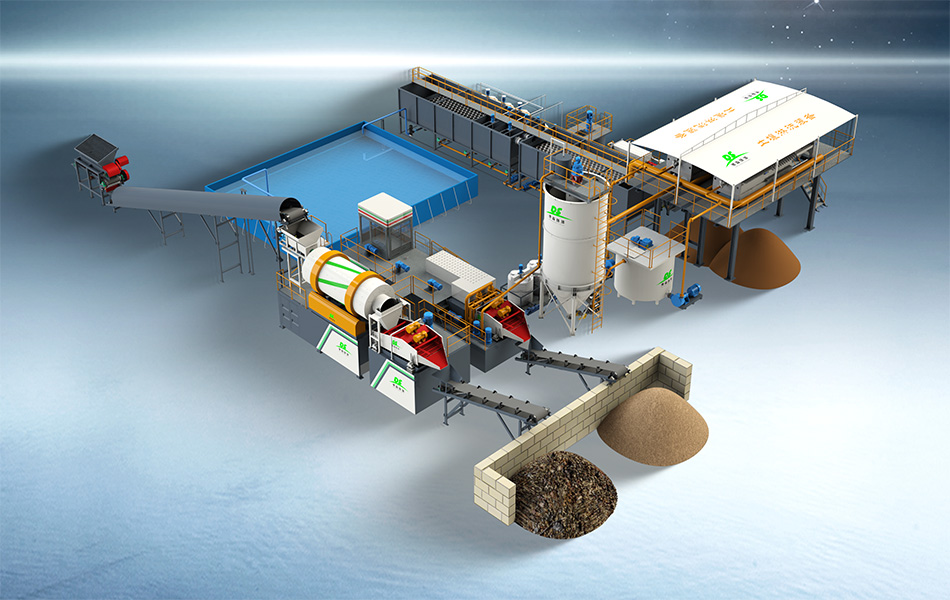
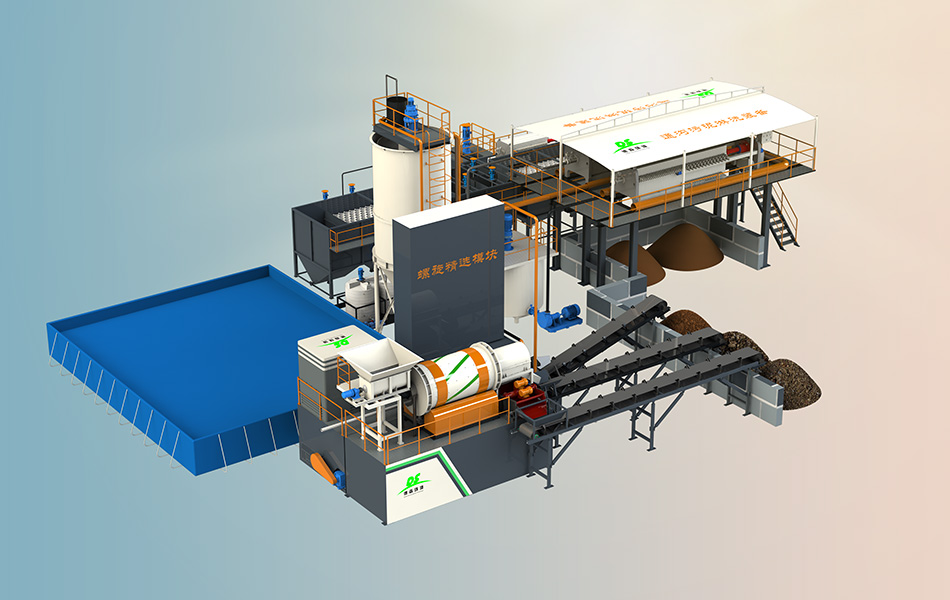
Feeding and pre-screening: oversized materials are separated and crushed while soil is conveyed to the scrubbing unit.
Attrition scrubbing: a rotary scrubber mixes soil with wash water and reagents at a water-to-soil ratio of about 2.5:1, detaching oil from particle surfaces.
Soaking, classification and oil recovery: fine sand (0.15-2 mm) is separated and free oil is collected in an oil-water separation tank.
Thickening, dewatering and water reuse: sludge below 0.15 mm is flocculated with PAM, pressed into filter cake and sent for biological treatment, while clarified water is recycled.
Proven Project Data
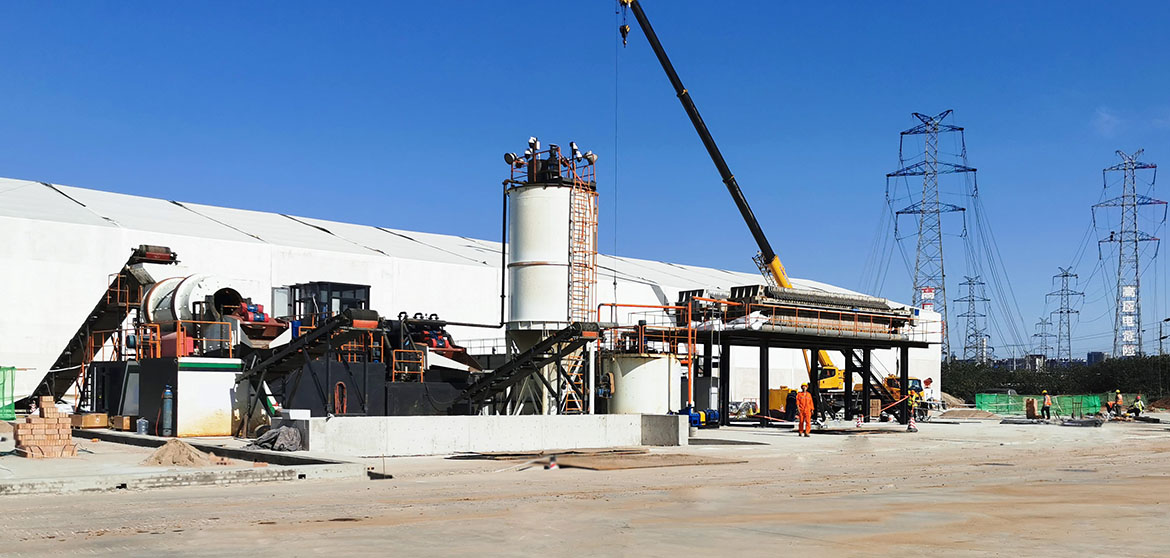
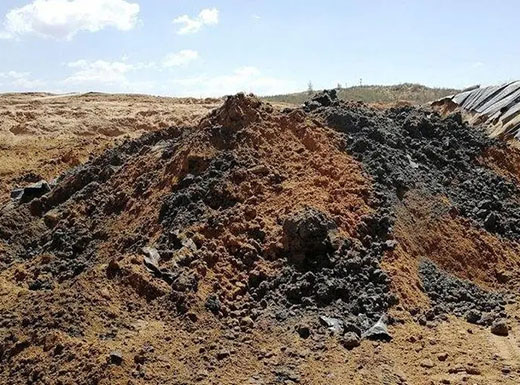
In Ningxia, China, a 30 t/h washing line treated approximately 180,000 cubic metres of sandy soil contaminated with petroleum hydrocarbons (C6-C9/C10-C40), benzene, ethylbenzene, benzo(a)pyrene and chloroform, combining washing with bio-stacking for final treatment. In the Middle East, a 25-30 TPH plant handled about 300,000 cubic metres of oil-contaminated sandy soil with average hydrocarbon levels of 5-8%, using washing followed by bioremediation.
Key Equipment Specifications
Capacity: 15-100 t/h depending on project configuration
Suitable soil hydrocarbon content: below 50,000 mg/kg
Wastewater recycling rate: over 90%
Control: DCS intelligent control with local and remote monitoring
Installation: modular units, no heavy foundation, commissioning within about 15 days
Conclusion
For PAH and BTEX contaminated soil, a well-designed soil washing plant reduces waste volume, recovers useful fine sand and reuses process water while meeting regulatory monitoring requirements. Selecting the right washing line depends on soil type, contaminant concentration and project scale. Contact our team to discuss a treatment solution tailored to your site.