Trommel Screen for Excavated Soil Stockpile Screening: Turning Bulk Soil Into Washer-Ready Feed
A trommel screen for excavated soil stockpile screening breaks clods, removes debris and splits fines so washing plants get steady, washer-ready feed. See how Desen sets it up.
Trommel Screen for Excavated Soil Stockpile Screening: Turning Bulk Soil Into Washer-Ready Feed
On a brownfield cleanup in North America, excavated soil is rarely a uniform product. A single stockpile can hold sandy topsoil, clay clods, brick fragments, concrete rubble and buried debris, all mixed together by the excavation sequence. When that material is destined for a washing plant, feeding it directly is a costly mistake: oversize blocks the washer, clay balls pass through untreated, and the feed rate swings between starved and overloaded. A trommel screen for excavated soil stockpile screening sits between the stockpile and the washing line, converting a heterogeneous mound of soil into a sized, steady stream the plant can actually process.
Why Stockpiled Excavated Soil Needs Screening Before Washing
Contaminants are rarely distributed evenly through an excavation. Metals and hydrocarbons concentrate in the fine fraction, because silt and clay particles carry far more surface area per kilogram than coarse grains. Screening the stockpile before washing therefore does three jobs at once:
- Oversize rejection. Bricks, concrete, roots and debris are removed so they cannot jam the washer, wear out pumps or consume wash water on material that will never be cleaned.
- Clod conditioning. The tumbling action inside the drum breaks soft clay clods apart, exposing contaminated surfaces to the wash process instead of letting them pass through whole.
- Feed control. A screened, consistent feed lets the washing plant run near design capacity instead of constantly absorbing surges and gaps.
There is also a volume argument. On many projects a substantial share of the excavated mass is oversize rubble that never needed washing in the first place. Screening it out at the stockpile stage can cut the tonnage entering the washing line significantly, which lowers water demand, reagent consumption and disposal volume. For projects priced per tonne processed, that difference often decides whether the remediation budget holds.
How a Trommel Screen Handles Variable Stockpile Material
Compared with a vibrating screen, a trommel is forgiving with wet, dirty feed. The drum rotates and lifts the material, letting it tumble and cascade, so sticky lumps are rolled and abraded rather than pressed flat against a mesh. Fines fall through the aperture along the drum length while oversize travels to the discharge end. Because screening happens continuously around the drum circumference, the effective screening area is large relative to the footprint, which is useful on congested urban sites where space around the stockpiles is limited.
Drum Design and Aperture Selection
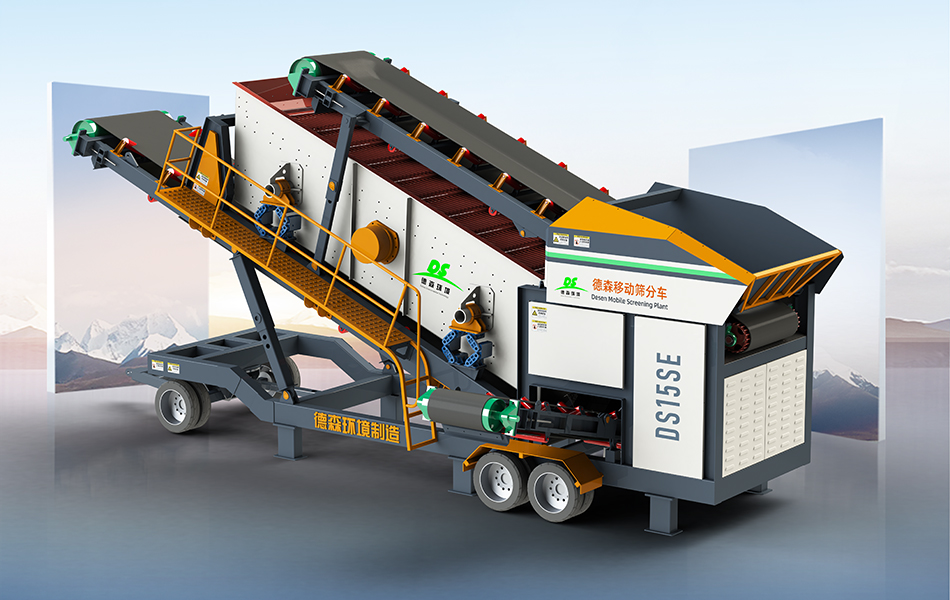
Aperture size defines the split. For contaminated soil heading to a washing plant, openings in the range of roughly 10 to 30 mm are common: the fines go to the washer, where the contaminant load actually sits, while the coarse fraction is stockpiled separately for crushing, reuse or disposal after testing. Drum length and diameter set throughput; Desen screening units are sized so a single unit can keep pace with a medium-scale washing line without a second pass.
Anti-Blinding Features for Wet, Clay-Rich Soil
Wet clay is the classic failure mode of any screen. A trommel copes better than most designs, but good practice still matters: scraper bars or brushes keep the mesh clear, drum speed can be adjusted to change residence time, and an evenly loaded feed hopper prevents surges that push wet clay through before it has been broken up.
Setting Up a Trommel Screen on a Stockpile Site
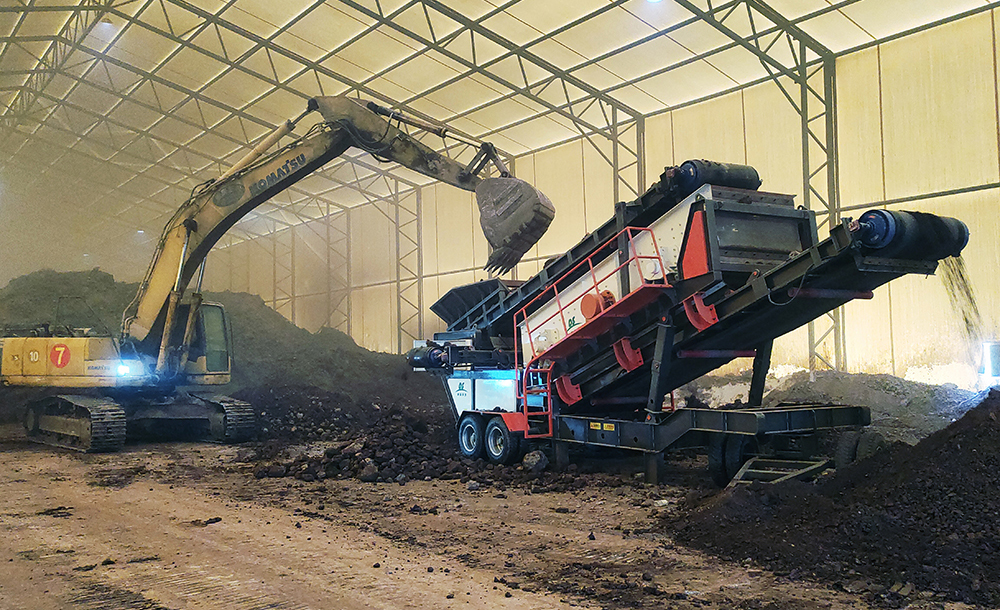
On site, the trommel works most effectively as a stockpile-side unit rather than a fixed installation. The excavator or wheel loader feeds directly from the pile, screened fines are stockpiled ahead of the washing plant, and oversize is stacked separately for testing and off-site handling. A few setup points decide daily output:
- Position for one-way material flow so the loader never crosses the discharge stockpiles.
- Maintain an even feed rate; dump-loading in surges is the main cause of wet clay carryover.
- Keep the undersize stockpile managed with runoff control where local rules require it, since screened fines carry most of the contaminant load.
- Check the mesh and scrapers every shift when the feed contains abrasive rubble.
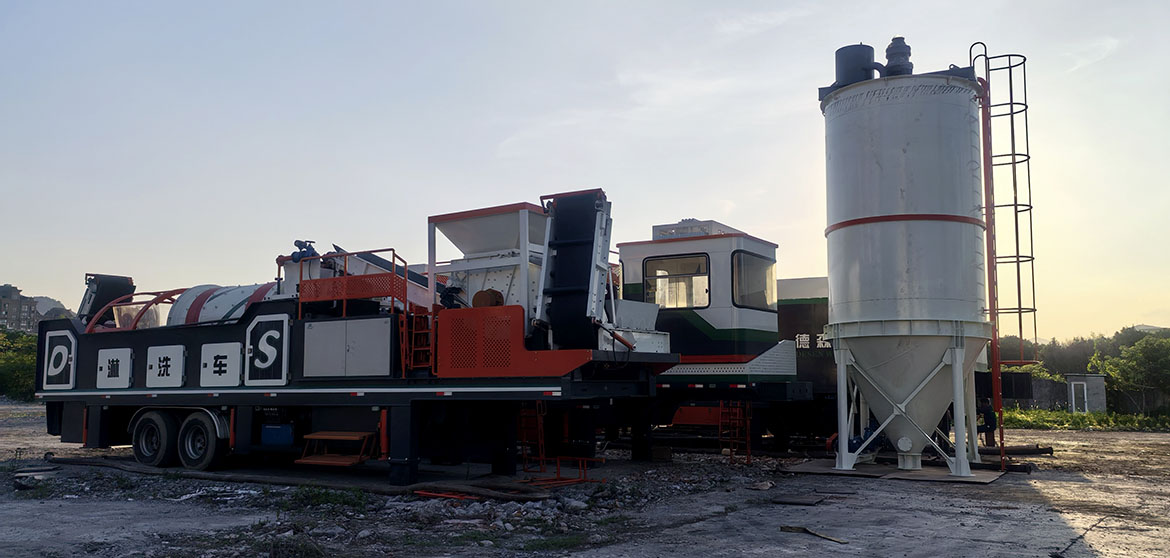
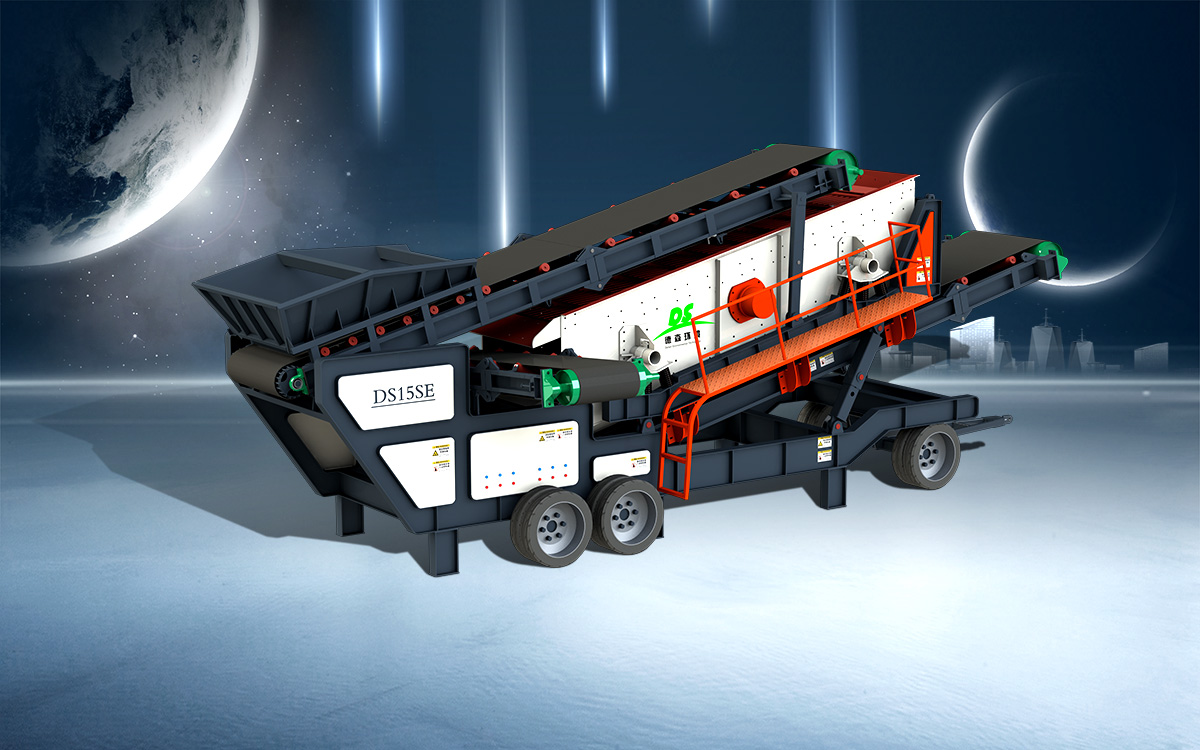
For contractors handling excavated soil stockpiles ahead of soil washing, Desen Environmental builds mobile screening plants and modular washing lines engineered to work together, from pre-screening through fines washing to water recycling. Desen units support remediation and bulk soil projects across North America, Europe and the Middle East, and can be configured to match the feed your stockpiles actually produce.