Foundry Waste Sand Washing Recovery: Turning Spent Molding Sand Into Reusable Material
Foundry waste sand washing recovery scrubs spent molding sand, separates contaminated fines and returns clean graded sand to casting lines, cutting disposal costs.
Foundry Waste Sand Washing Recovery: Turning Spent Molding Sand Into Reusable Material
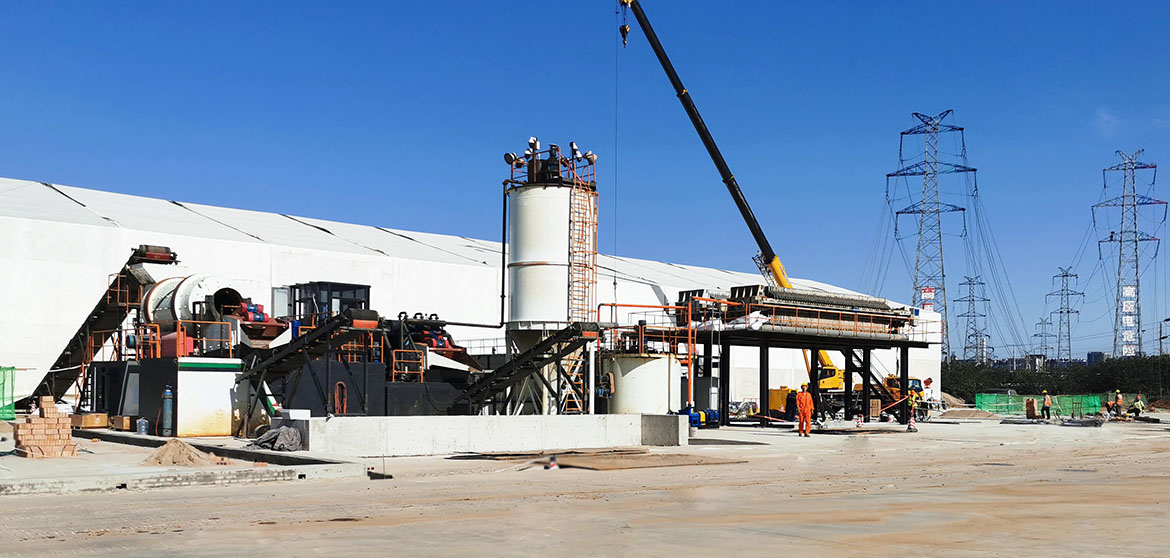
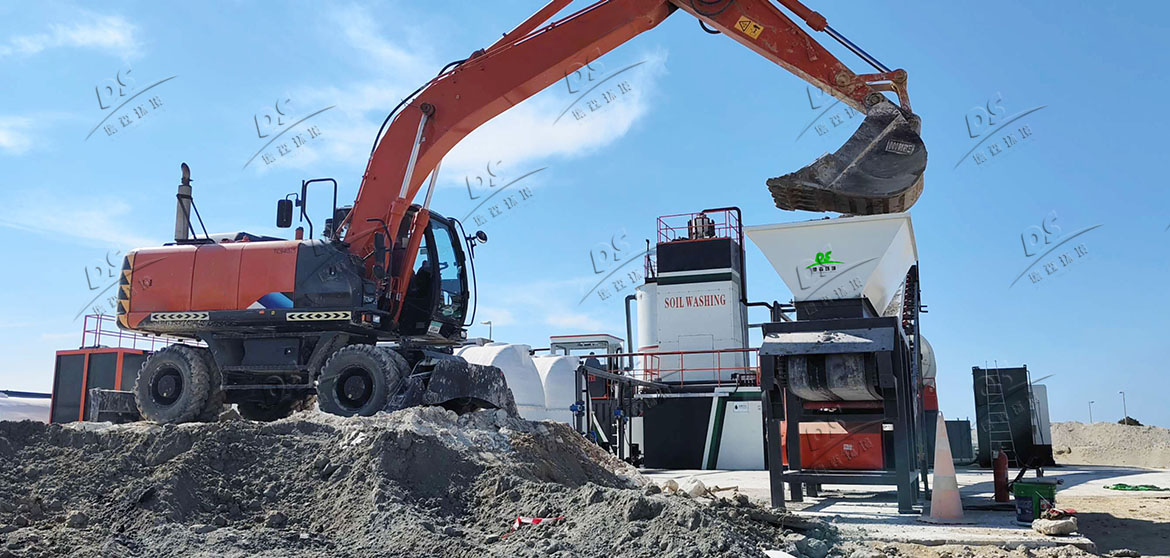
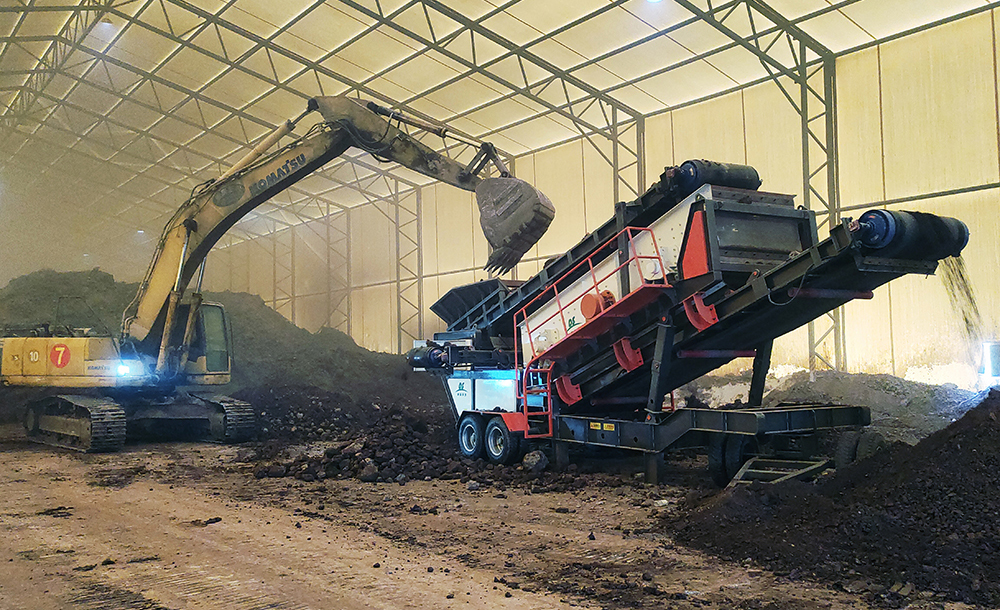
Foundries consume large volumes of silica sand for molding and core making, and every casting cycle leaves the sand coated with binder residue, carbonaceous dust and fine metal particles. A mid-size foundry can accumulate thousands of tonnes of spent sand each year, and in most regions this material is now handled as industrial waste rather than a free landfill commodity. Foundry waste sand washing recovery gives operators a practical alternative: screen and scrub the spent sand, remove the fines that carry most of the contamination, and return clean, graded sand to the casting line or to external buyers. In practice the process starts at the stockpile, where excavators feed spent sand through screening equipment before washing. For many plants, a recovery line pays for itself through avoided disposal fees and reduced purchases of virgin sand.
What Makes Spent Foundry Sand a Washing Problem
Where the Contamination Sits
After repeated casting cycles, contamination in spent sand concentrates on particle surfaces and in the finest fraction. Resin binders, seacoal dust, iron oxide and burnt clay form a thin film on each grain, while thermal degradation continuously creates new fines. Because these fines hold most of the binder residue and heavy metal traces, simply screening the sand is not enough: the coarse grains must be scrubbed to strip the coating, and the fines must be separated and dewatered before disposal. Grain size distribution also drifts over time, so a recovery process has to reclassify the sand against a target grading curve before it can re-enter production.
The Economics of Recovery Versus Disposal
Disposal costs per tonne keep rising across Europe, North America and the industrial provinces of China, and several jurisdictions now require leachability testing before spent sand can leave the site. Recovery changes the cost structure: the majority of the mass, the washed coarse and medium fractions, becomes a usable product, while only the dewatered fines, typically 20 to 30 percent of the feed, leave the plant as a much smaller waste stream. Add the avoided purchase of new silica sand, and the payback period for a washing line shortens considerably for foundries running two or more molding lines continuously.
How a Foundry Waste Sand Washing Plant Works
A practical recovery line follows the same logic as contaminated soil washing: separate first, scrub what needs scrubbing, then dewater the residue. Feed is stockpiled in a covered area to control moisture, then loaded into the plant with an excavator or wheel loader. A mobile screening unit first removes oversize lumps, chunks of metal and refractory debris, and protects the downstream washing equipment from damage.
Attrition Scrubbing and Classification
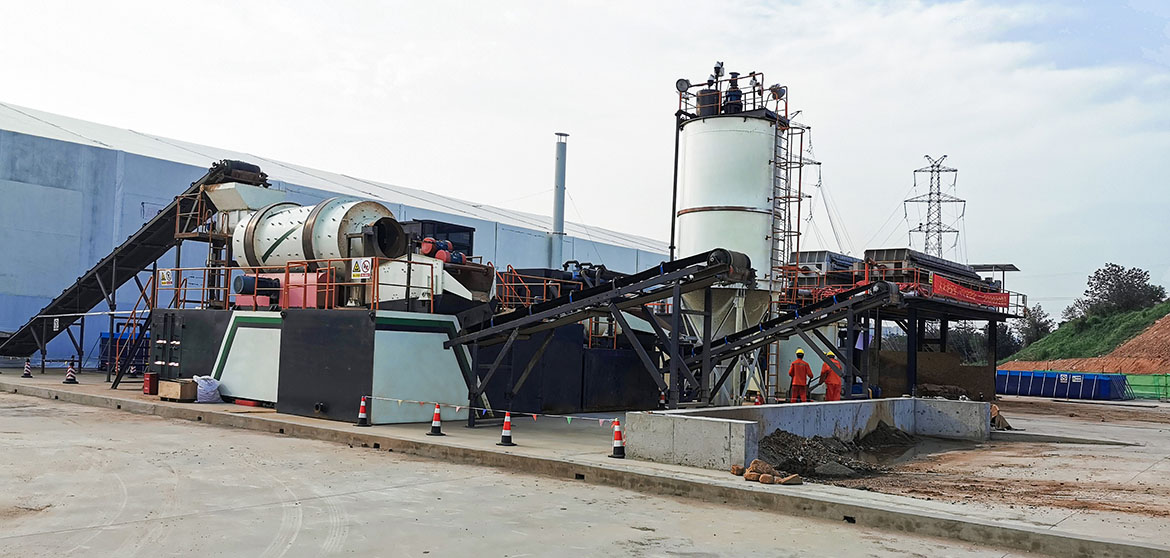
The screened sand passes into an attrition scrubber or drum washer, where high-intensity rubbing between grains strips the binder film and detaches adhering fines. From the washer, the slurry flows across classification screens or hydrocyclones, which split the material into clean graded sand and a fine, heavily loaded sludge stream. A typical plant produces two or three saleable sand grades in a single pass, with gradation adjusted by changing screen apertures or cyclone settings.
Dewatering and Water Recycling
The fine sludge is thickened and pumped to a filter press, which produces dry, stackable cakes that meet tipping requirements, while clarified water returns to the washing circuit. Closing the water loop matters twice for foundries: it keeps fresh water demand low, and it prevents wash water carrying binder residues from leaving the site untreated.
Reuse Routes and Compliance Checks
Washed foundry sand is not automatically a product; each reuse route has its own acceptance criteria. Common destinations include:
- Internal reuse as backing, covering or construction sand inside the foundry after gradation verification.
- Return to molding lines for non-critical facing applications, where binder demand drops because the grain surfaces are clean again.
- External sales to concrete block, asphalt or geotechnical fill markets, subject to local aggregate standards.
- Controlled disposal of fines, dewatered to a stackable consistency and documented with leachability results where required.
Before committing to a recovery project, most operators run bench and pilot tests on representative spent sand samples: loss on ignition, gradation, heavy metal content and leaching behavior. The results determine the achievable recovery rate and which reuse routes are realistic. Suppliers with soil washing and sludge treatment experience can translate those test data into a plant configuration covering screening capacity, scrubber intensity, classification cut points and dewatering area. Desen Environmental builds modular and mobile washing plants that have been applied to contaminated soil, dredged sludge and industrial residues, and the same equipment family adapts well to foundry waste sand recovery projects worldwide.