Soil Washing Pilot Test Before Full Scale Plant: De-Risking Your Remediation Investment
Before committing to a full scale soil washing plant, a pilot test proves how your soil responds to washing and sizes the equipment correctly. Here is how the process works.
Soil Washing Pilot Test Before Full Scale Plant: De-Risking Your Remediation Investment
A full scale soil washing plant is a significant capital commitment, and the single question every project owner asks before signing is simple: will washing actually work on my soil? The honest answer is that no two sites behave the same way. Particle size distribution, contaminant type, clay content and moisture all change the outcome. This is exactly why a soil washing pilot test exists. Running a controlled trial on representative samples, before any equipment is ordered, converts uncertainty into measurable data and protects the investment you are about to make.
What a Soil Washing Pilot Test Involves
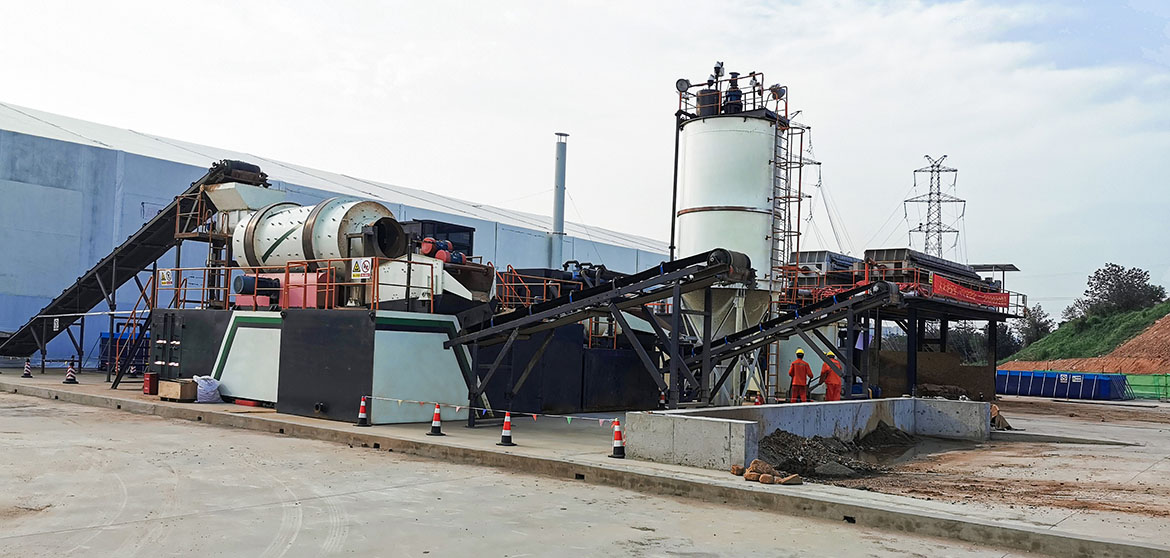
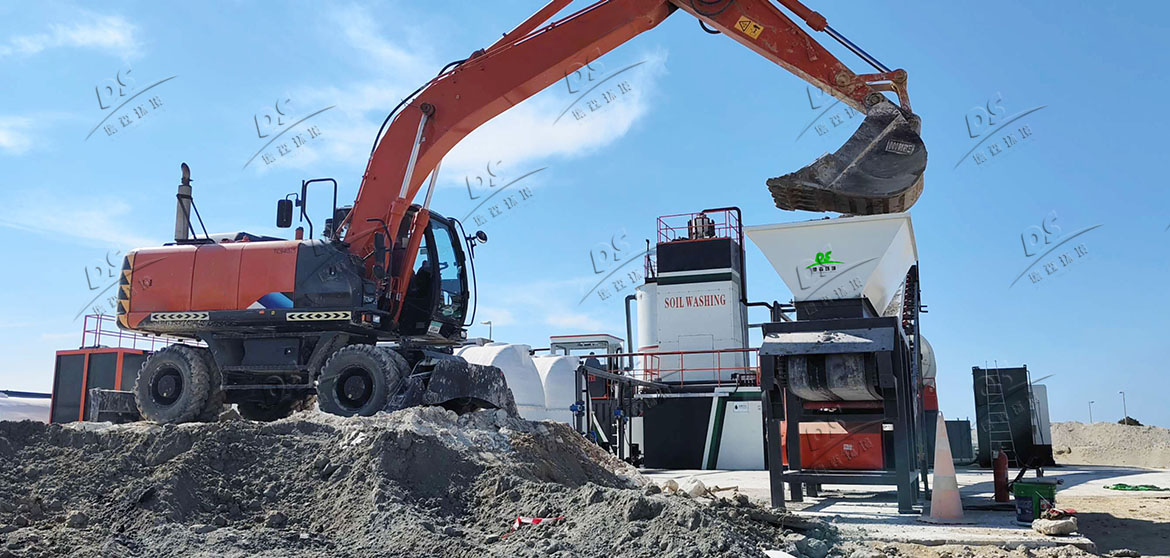
A professional treatability study for soil washing follows a defined sequence, usually in two stages. The bench scale phase uses a few kilograms of soil per batch in laboratory scrubbers and attrition cells to screen reagent options and washing intensity. The pilot phase then processes hundreds of kilograms or several tonnes through a compact pilot washing line that mirrors the full process train: pre-screening, scrubbing, attrition, classification and dewatering.
Key Parameters the Trial Measures
- Mass split: what percentage of the excavated soil reports to the clean coarse fractions versus the contaminated fines, which drives the volume-reduction figure.
- Contaminant removal rate: how much of the target heavy metal or organic load is stripped from the sand and gravel fractions, verified by accredited laboratory analysis before and after.
- Reagent demand: the type and dosage of washing agents, from plain water to chelating or pH-adjusting chemicals, which directly shapes operating cost.
- Water balance: process water consumption and how much can be recycled through a closed-loop water treatment circuit.
- Sludge characteristics: how the fine residue dewaters and what disposal route it can take.
Together these numbers answer the commercial question: what fraction of the site can be cleaned and reused on site, and what tonnage must leave as residue? On many heavy metal sites the coarse fraction represents 70 to 90 percent of the mass, but only the pilot data for your specific soil makes that claim bankable.
How Pilot Results Shape the Full Scale Plant Design
The pilot test is not just a pass or fail exercise; its output feeds directly into engineering. The measured particle size distribution sets the screen aperture and hydrocyclone cut points. The scrubbing intensity established in the trial determines motor power and residence time in the washing units. Reagent consumption defines the dosing system, and the sludge dewatering behavior decides whether a filter press or a fines cyclone circuit is appropriate.
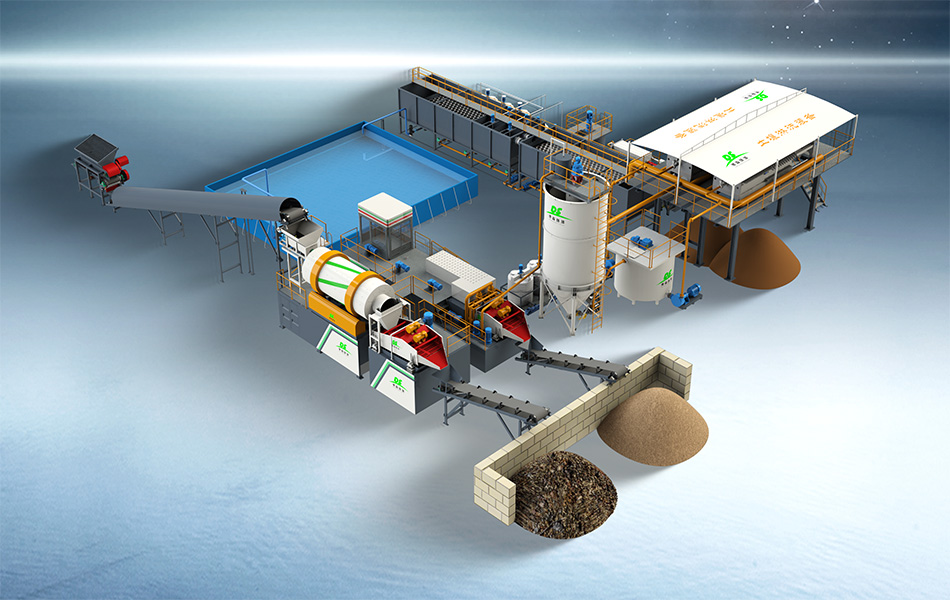
For buyers considering modular equipment, the pilot data also determines module count and configuration. A modular soil washing plant can be scaled by adding washing and classification modules, so knowing the realistic throughput and mass split early prevents both undersizing, which extends the project schedule, and oversizing, which wastes capital.
Avoiding Common Pilot Test Mistakes
Three issues appear repeatedly in real projects. First, unrepresentative sampling: soil taken only from shallow, lightly contaminated layers will overstate performance. A composite sampling plan across the contamination plume is essential. Second, testing without disposal in mind: the pilot should also characterize the residual fines so the waste acceptance route is confirmed in parallel. Third, accepting results without mass balance documentation: a credible report reconciles input mass, clean fractions, residue and water, so the numbers can be defended to regulators and financiers.
What Desen Environmental Offers Buyers
Desen Environmental treats the pilot phase as part of the project, not an optional extra. For international clients in the Middle East, Europe, Southeast Asia and North America, the typical route is: you send representative soil samples to our facility, we run bench and pilot washing trials with full laboratory verification, and you receive a treatability report containing the mass split, removal rates, reagent and water consumption, and a recommended plant configuration with budgetary pricing.
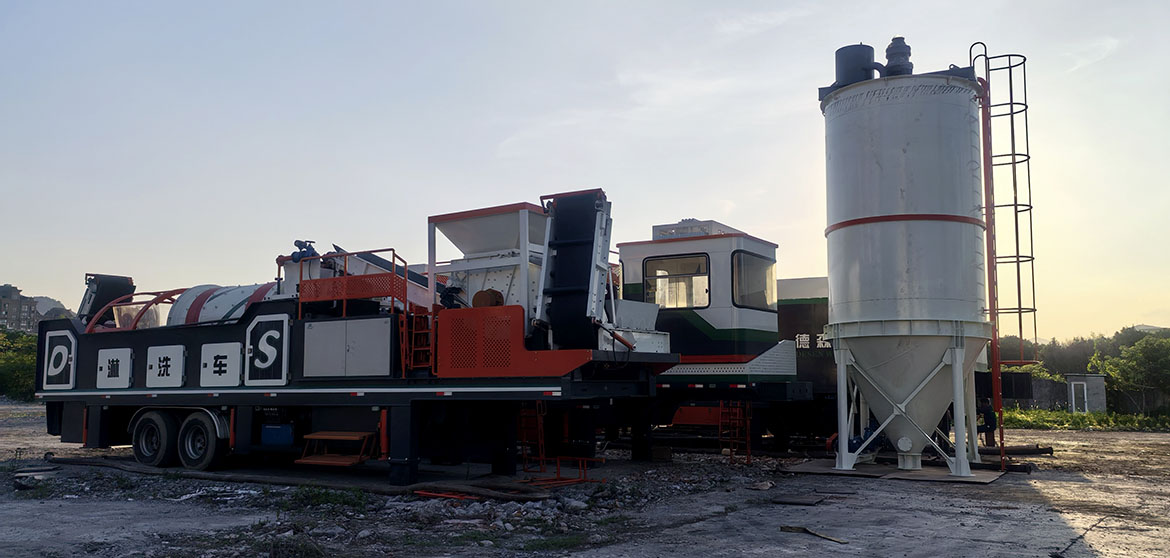
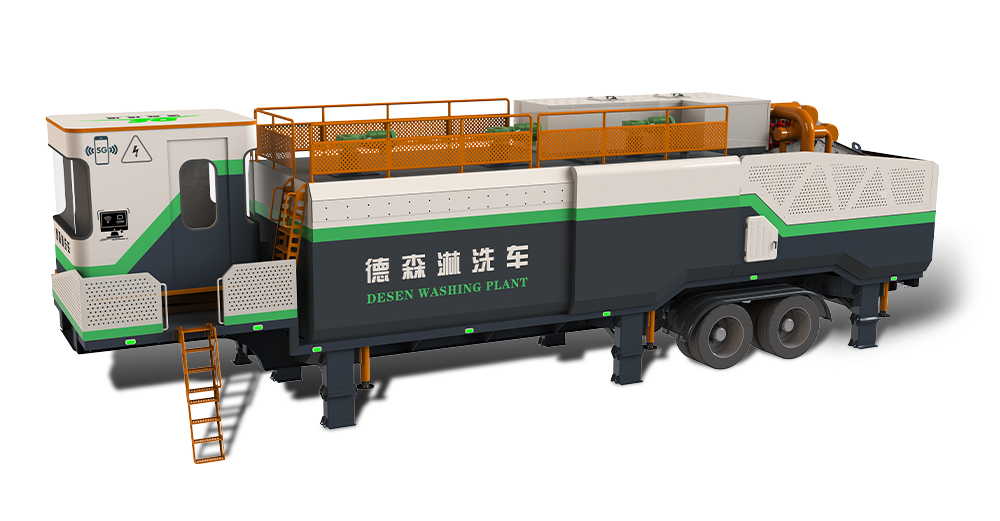
Where site access allows, a pilot-scale mobile washing unit can also be deployed on site, so the trial runs on the actual ground conditions and the results carry even more weight with local authorities. Once the report is approved, the transition from pilot to full scale modular or mobile plant is straightforward, because the process parameters are already proven rather than assumed.
If you are evaluating a contaminated land project and want the washing feasibility confirmed before committing capital, a soil washing pilot test is the most cost-effective de-risking step available. Contact Desen Environmental with your site information and soil data, and our engineering team will propose a trial program tailored to your contaminants and target reuse criteria.