Soil Washing Plant ROI Payback for Contractors: How to Work Out When the Washing Line Pays for Itself
How contractors calculate ROI and payback for a soil washing plant: investment items, per-tonne margins, utilization and volume reduction, with a worked example and checklist.
Soil Washing Plant ROI Payback for Contractors: How to Work Out When the Washing Line Pays for Itself
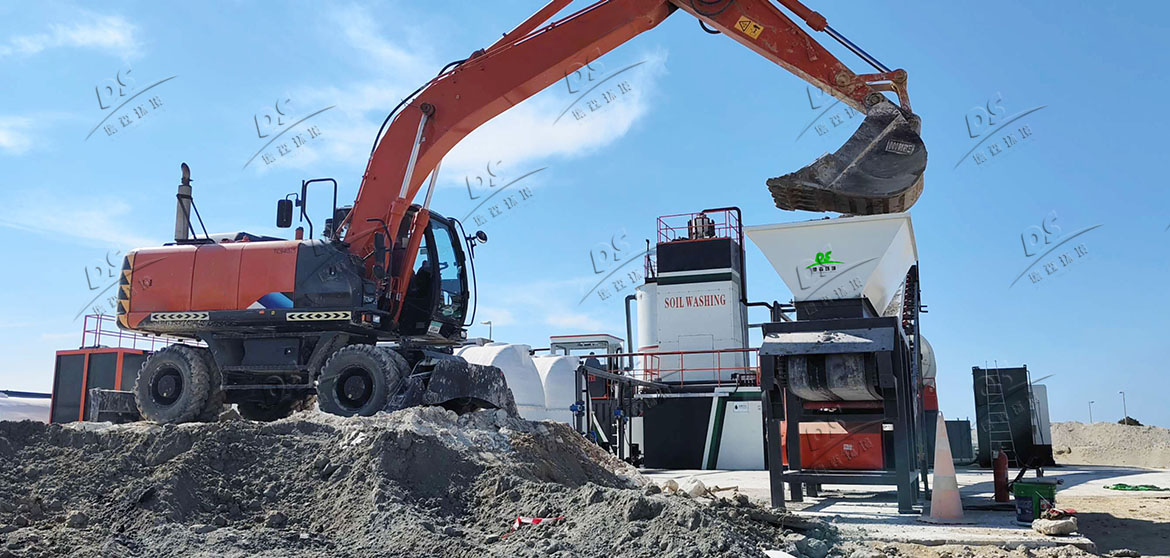
For a remediation contractor, a soil washing plant is not an environmental statement - it is a piece of production equipment that has to earn money. Whether the purchase makes sense comes down to one calculation: how many tonnes of contaminated soil can you treat per year, at what margin, and how long does that take to cover the capital outlay? This guide walks through the ROI and payback logic that North American contractors use before committing to a washing line, with the cost and revenue items you need to put into the model.
The Core Payback Formula for a Soil Washing Plant
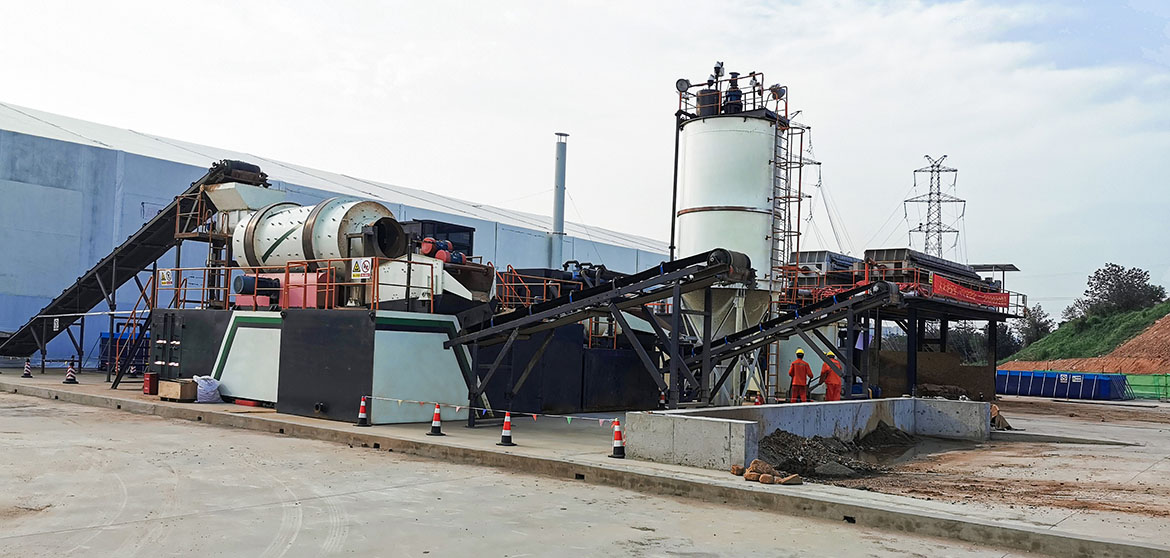
Payback period is simply total investment divided by annual net cash flow from washing operations. The investment side includes the equipment price, freight and import duties, site preparation and utilities, commissioning, and the first set of spare parts and reagents. The revenue side is driven by the gate fee or service price you charge per tonne, minus your operating cost per tonne: power, water, reagents, filter cloth and screen panels, labor, fuel for loaders, and disposal of the contaminated fines that leave the site.
Worked Example With Realistic Numbers
Take a mid-size modular washing plant processing 30 tonnes per hour, running 1,200 productive hours a year - roughly 36,000 tonnes annually. Assume a treatment service price of USD 45 per tonne and an all-in operating cost of USD 22 per tonne including fines disposal. That is a contribution of USD 23 per tonne, or about USD 828,000 per year. Against a delivered and commissioned plant investment in the range of USD 1.2 to 1.6 million, the simple payback lands between 18 and 24 months. Contractors who own the contaminated material themselves, rather than charging a gate fee, model the saving against landfill disposal instead - and at USD 60 to 90 per tonne of avoided disposal cost, the arithmetic usually improves further.
The Variables That Move Payback Most
- Volume reduction ratio: washing typically diverts 70 to 90 percent of excavated soil away from landfill as clean, reusable fractions. The higher the reduction, the lower your residual disposal bill - often the single largest operating line item.
- Utilization rate: a plant that moves between four projects a year pays back far faster than one serving a single site. Mobile and trailer-mounted configurations exist precisely to raise annual utilization.
- Recovered material value: washed sand and aggregate can be resold or reused as backfill, turning a waste stream into a second revenue line.
- Fines handling strategy: dewatering fines with a filter press cuts haulage weight and water consumption, improving both operating cost and permit compliance.
Why Mobile Configuration Changes the ROI Equation
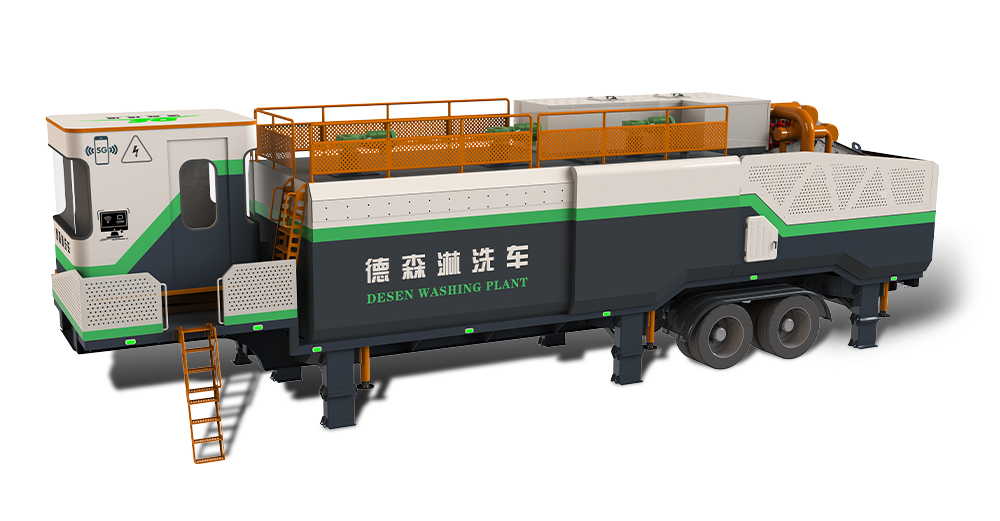
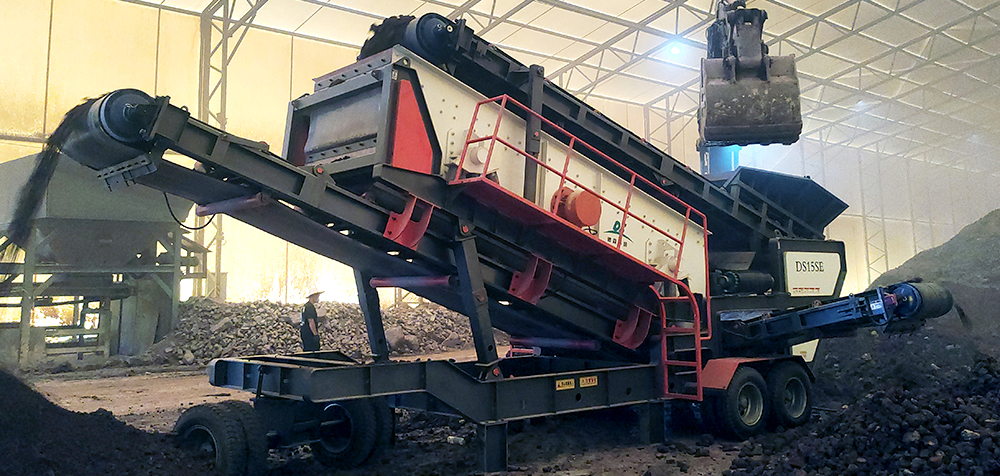
A fixed washing plant only makes sense when feed is delivered to one location for years - for example a centralized remediation hub or a brownfield redevelopment with a multi-year soil stream. For most contractors, work arrives site by site, and a trailer-mounted or containerized washing plant follows the contract. The equipment generates revenue on every project instead of waiting at one, which shortens payback even though the mobile configuration carries a modest premium per unit of capacity. Mobility also widens the tender pipeline: you can bid on projects where the client requires on-site treatment, without needing to own land at each location.
Checklist Before You Commit to the Purchase
- Pipeline audit: list the tenders and repeat clients that can realistically feed the plant for at least two seasons, and stress-test payback at 60 percent of that volume.
- Treatability data: confirm on your actual soil that the mass split supports the volume-reduction figure used in the model - a pilot test is cheap insurance against an optimistic spreadsheet.
- Residual cost reality: price fines disposal locally, including transport, and confirm landfill acceptance criteria for dewatered filter cake.
- Supplier support terms: spare parts lead times, commissioning support and operator training affect downtime, and downtime is what payback is most sensitive to.
Run the numbers conservatively, verify the washability of your target soils, and match the plant configuration to your project pipeline. When those three inputs are grounded in real data, a soil washing plant moves from being a capital risk to being the most profitable equipment on the yard.