Leasing vs Buying Soil Washing Equipment: A Commercial Decision Guide for European Contractors
Leasing or buying soil washing equipment? This guide compares upfront cost, utilization, project length and resale risk so European contractors can choose the right model.
Leasing vs Buying Soil Washing Equipment: A Commercial Decision Guide for European Contractors
For a remediation contractor in Europe, the decision to lease or buy soil washing equipment rarely comes down to price alone. A mobile plant that earns its keep on four projects a year may justify ownership within two seasons, while the same plant sitting idle between contracts quietly consumes storage, insurance and depreciation. This guide sets out the commercial factors that separate the two models, so the choice is driven by your project pipeline rather than by the invoice in front of you.
When Buying Soil Washing Equipment Makes Commercial Sense
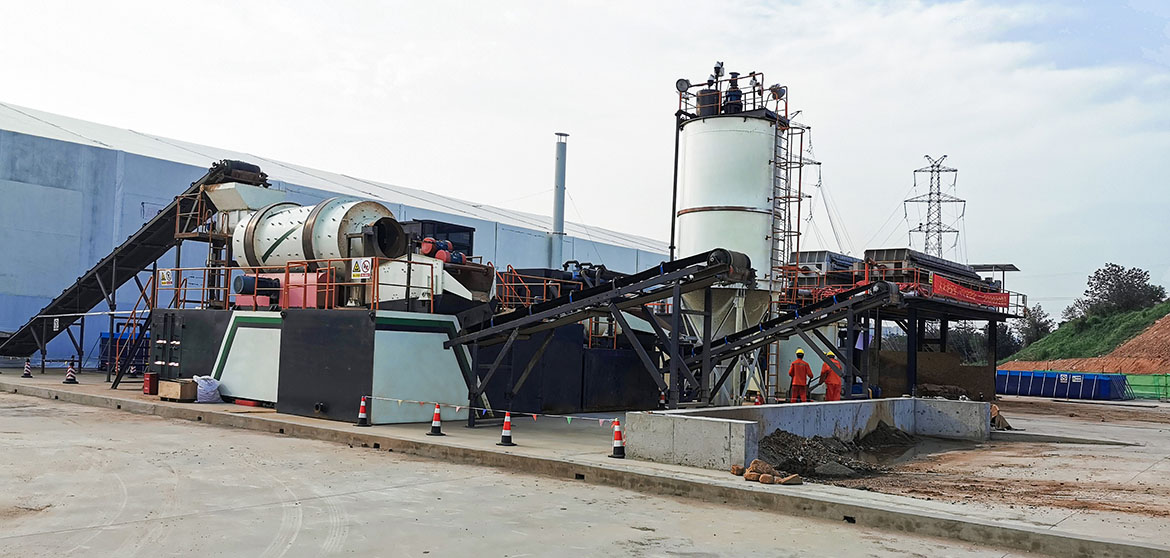
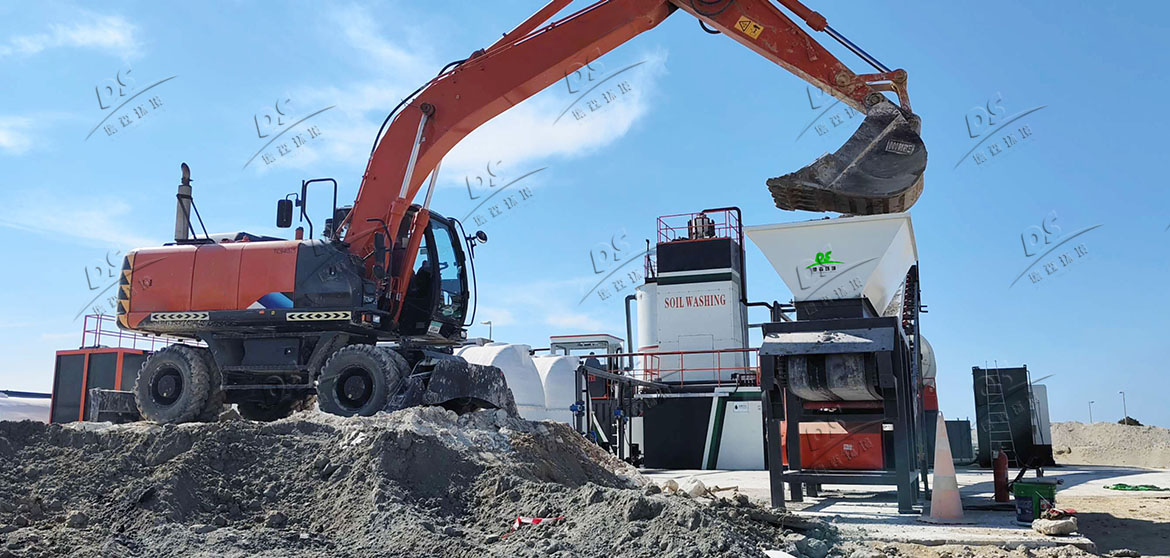
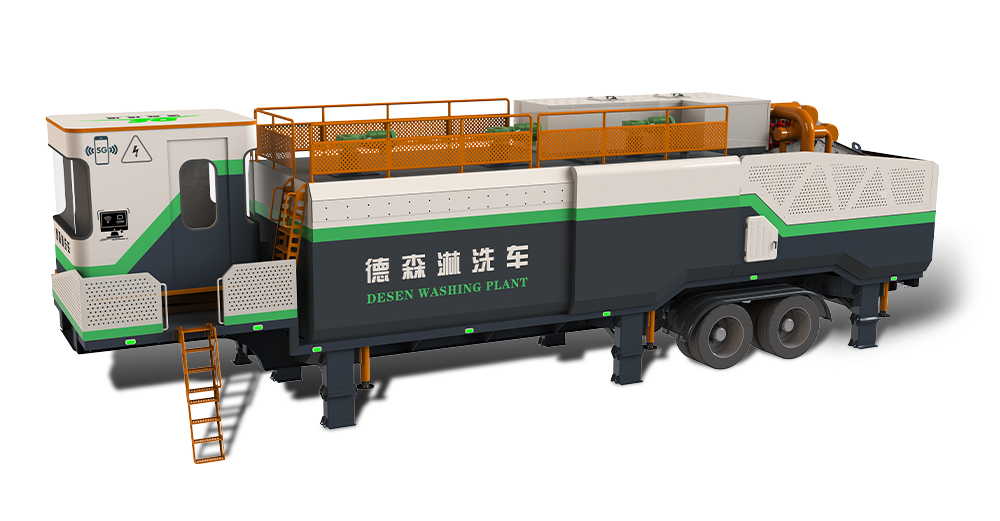
Ownership suits contractors whose order book shows a steady flow of contaminated soil projects. If your team mobilizes washing equipment to a new site every four to eight weeks, the cumulative rental fees across two or three years will typically exceed the purchase price of an equivalent modular or trailer-mounted plant. Ownership also gives you full control over availability: the plant is ready when a tender lands, and you are not competing with other renters for the same unit during a busy season.
Questions to Ask Before Committing to a Purchase
- Utilization forecast: how many washing months per year can your pipeline realistically support? Below roughly four months annually, ownership economics become difficult to defend.
- Project diversity: do your sites share similar soil types, or do some demand a hot-wash configuration for hydrocarbon contamination while others need a straightforward heavy metal scrubbing train?
- Resale value: a well-maintained modular plant from a recognized manufacturer retains meaningful resale value, which softens the total cost of ownership.
- Service capability: can your crew handle daily maintenance, and can the manufacturer supply spare parts and remote commissioning support across borders?
Buying is also the stronger option when a client requires dedicated equipment on long-term framework agreements, such as multi-year soil remediation programs for industrial sites, ports or rail corridors. In those contracts, having your own plant priced into the framework often improves margins over the full term.
When Leasing or Hiring Is the Smarter Route
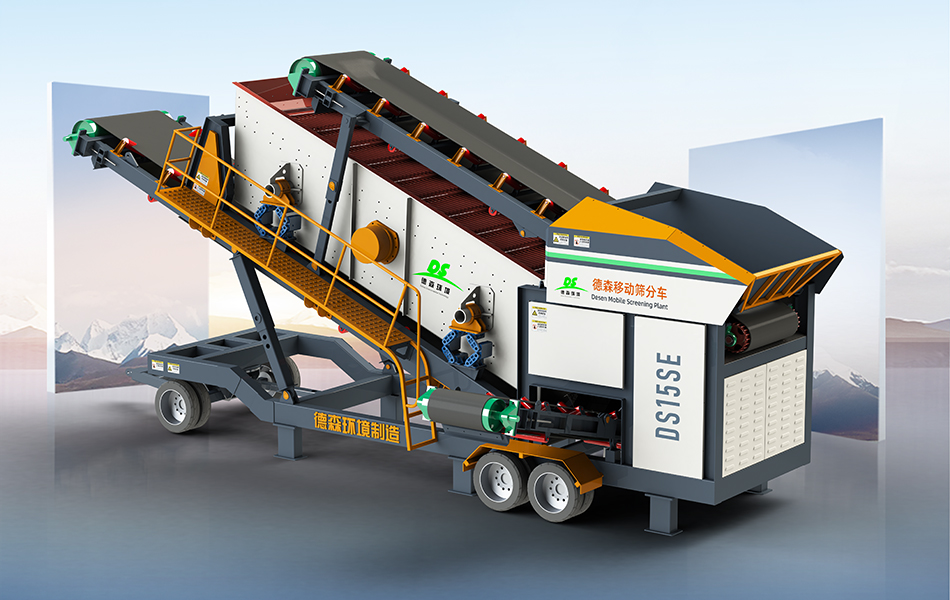
Leasing shifts capital expenditure into an operating cost that follows the project cycle. For contractors testing a new market, winning a first remediation tender, or facing a single large cleanup with a defined end date, hiring a plant avoids tying up capital in equipment that may not be needed again. Rental terms also usually include manufacturer support during mobilization, which reduces the operational risk on a first washing project.
Situations That Favor Leasing
- One-off or pilot-scale projects: a single site with 10,000 to 30,000 tonnes of soil rarely justifies ownership, especially where the treated volume is spread across a short campaign.
- Seasonal or regional demand: contractors active in markets where remediation work concentrates in the warmer months can rent during peak season and return the equipment instead of storing it through winter.
- Uncertain soil conditions: if treatability results are still pending, a leased unit lets you confirm process performance before committing to a purchase specification.
- Cash-flow discipline: leasing preserves working capital for labor, analytical testing and site restoration, which are the cost lines that actually decide project profitability.
A middle path also exists. Some manufacturers, including Desen Environmental, offer flexible commercial structures that combine trial operation with purchase credit: the rental period functions as a paid trial, and if the plant performs, part of the hiring cost is credited toward the purchase. This structure suits contractors who expect to grow into ownership but want evidence first.
A Simple Decision Framework
Start from the pipeline, not the equipment. Estimate your washing volume for the next three years in tonne-months, then compare: total rental cost at prevailing rates, versus purchase price plus storage, insurance, maintenance and financing, minus expected resale value. Where the ownership column wins by a comfortable margin and utilization is dependable, buy. Where the numbers are close or the pipeline is uncertain, lease first and revisit the purchase decision with real operating data in hand. Whichever route you take, confirm the supplier can support commissioning, operator training and spare parts in your region, because in cross-border soil washing projects the quality of after-sales support often matters more than the commercial model itself.