Rapid Mobilization Checklist for Washing Equipment: Moving a Soil Washing Plant Between Sites Without Losing Weeks
A practical rapid mobilization checklist for washing equipment: pre-transport preparation, freight documents, site positioning, utilities hookup and first feed on the new remediation site.
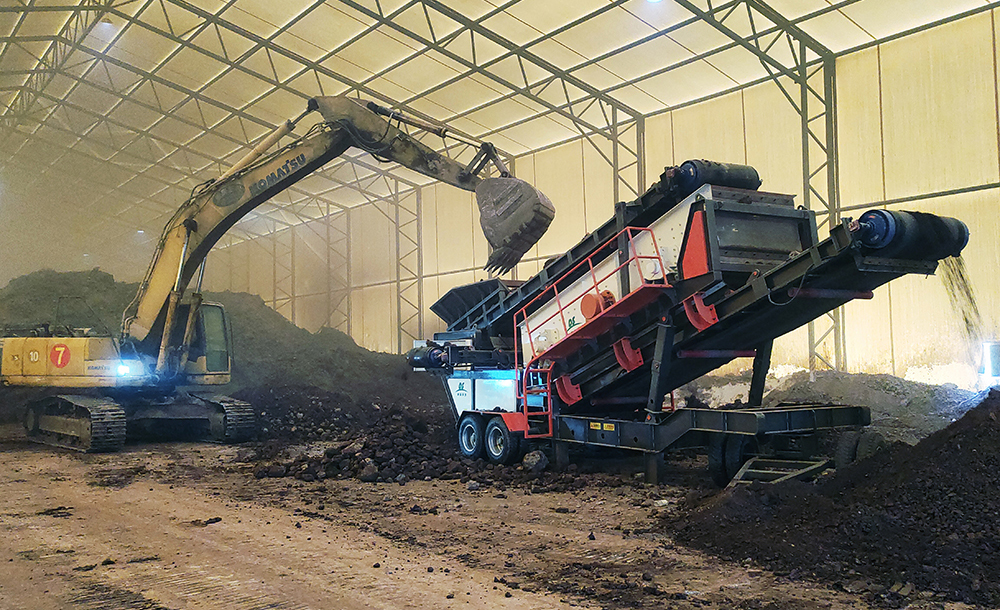
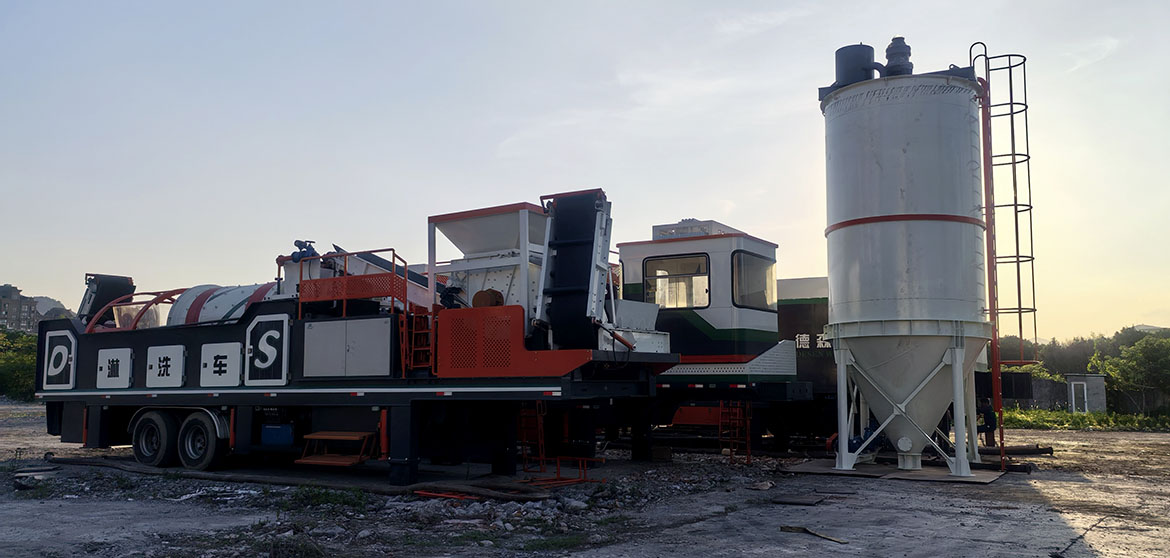
For remediation contractors running more than one contaminated soil project a year, the time a washing plant spends standing still between sites is lost revenue. A structured rapid mobilization checklist for washing equipment turns the move from a stressful improvisation into a repeatable two-to-three-day exercise. The checklist below reflects how Desen Environmental supports overseas customers who relocate modular and trailer-mounted washing lines between projects across the Middle East, Southeast Asia and Europe.
Why a Standard Mobilization Checklist Matters
Moving a washing plant is not only a transport task. Every relocation involves mechanical disconnection, freight handling, site preparation and recommissioning, and a failure in any one of these stages delays the whole program. Contractors who work from a written checklist consistently report fewer surprises on arrival, because responsibilities are assigned before the plant leaves the previous site rather than negotiated afterwards.
A practical mobilization checklist covers four stages:
- Pre-load-out: wash-down, inspection, spare parts kit and disconnection of utilities.
- Freight: load plans, lifting points, permits and shipping documents.
- Site readiness: access route, standing area, water and power supply, and laydown space.
- Recommissioning: positioning, leveling, reconnection, dry runs and first feed.
Print the checklist, put a name against every line and carry it with the freight. The same document then becomes the acceptance record for the receiving site, which simplifies discussions with the client when the plant starts feeding ahead of schedule.
Before Load-Out: Equipment, Freight and Documentation
Mechanical Readiness
Start by cleaning the plant. Residual sludge inside hoppers, chutes and pipework adds unnecessary weight, can be classified as contaminated material during customs inspection, and hides wear points from the inspection crew. Once the plant is washed down, inspect liner plates, conveyor belts, pump seals and hose connections, and log anything that needs replacement so the parts can travel with the plant instead of chasing them after arrival.
Drain all water circuits, including pumps, cyclones and the filter press, in climates where freezing overnight temperatures are possible. Disconnect and label electrical cables and hydraulic hoses; a labeled set reassembles in hours, an unlabeled one in days.
Freight and Paperwork
Confirm the load plan against the manufacturer's drawings: which modules travel as complete units, which are partially dismantled, and where the certified lifting points are. Check that the destination country's import documents, the commercial invoice and any required certificates of origin or conformity are issued before the trucks arrive. For cross-border moves inside Europe or the Gulf region, transit permits and low-bed trailer bookings should be reserved at least a week ahead of the load-out date.
On Arrival: Positioning, Utilities and First Feed
Positioning and Leveling
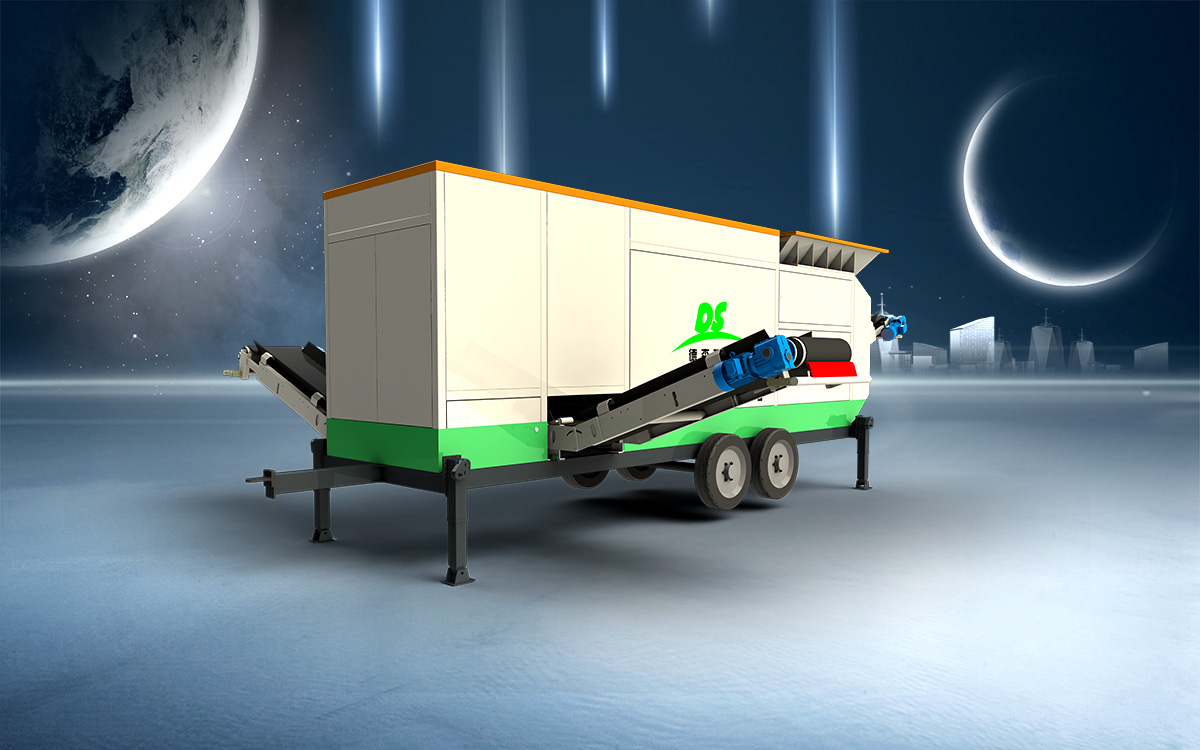
Before the cranes arrive, the receiving site should already be graded, compacted and marked with the layout plan. Rigging crews place the modules according to the flow diagram rather than convenience, because every unnecessary meter between the feed hopper, the scrubber and the dewatering stage becomes a permanent materials-handling cost. Trailer-mounted and tracked units then extend their outriggers or lower their tracks, and each unit is checked with a spirit level in both directions before any pipework is connected.
Utilities Hookup and First Feed
Reconnect the labeled cables and hoses, then verify rotation directions on pumps and motors during a dry run before any soil enters the plant. Fill the process water circuit, set the reagent dosing rates recorded during the previous campaign, and run the first feed at reduced tonnage while the crew watches screen decks, pump pressures and filter press cycle times.
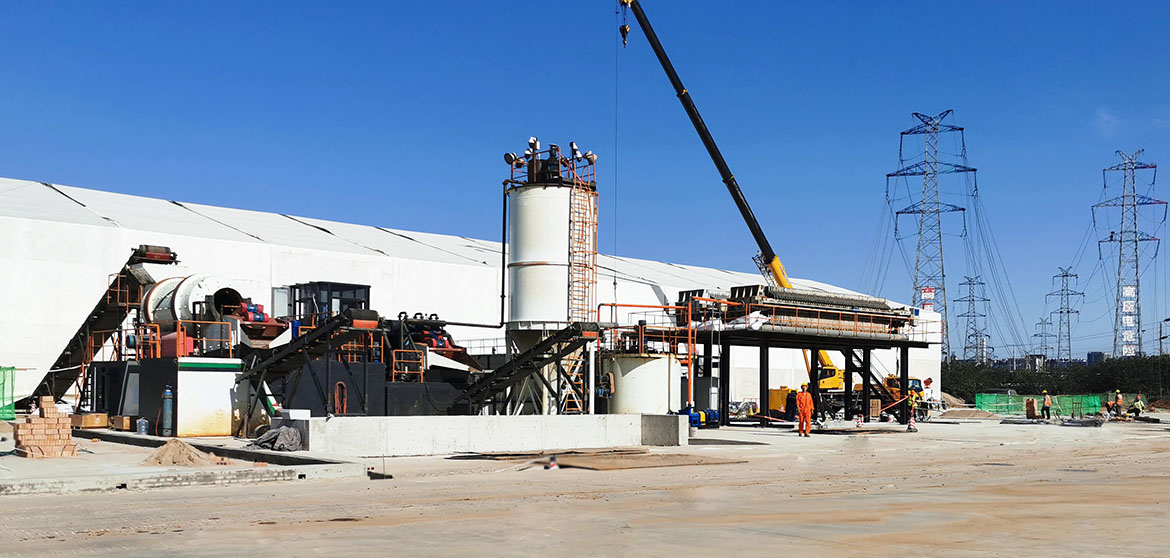
A disciplined first shift catches most reassembly errors at low cost. Once the line holds steady for a full day at target throughput, the mobilization can be signed off and the plant is again producing washed, reusable soil instead of standing idle between contracts.