Arsenic Contaminated Soil Washing Treatment: Volume Reduction and Compliance for Legacy Sites
How soil washing treatment works for arsenic contaminated sites: size separation, chemical extraction and compliant handling of arsenic-bearing fines.
Arsenic Contaminated Soil Washing Treatment: Volume Reduction and Compliance for Legacy Sites
Arsenic is one of the most demanding contaminants a remediation contractor can face. It occurs at former pesticide plants, orchards, smelters and wood-treating facilities, and across North America and Europe it now blocks redevelopment plans that have otherwise been approved. Excavation and disposal to a hazardous landfill resolves the liability, but at today's gate fees the tonnage can dominate an entire project budget. Arsenic contaminated soil washing treatment offers a different route: separate the relatively clean coarse fraction for reuse, concentrate the arsenic into a small volume of fines, and send only that fraction to secure disposal. This article explains why arsenic responds well to washing when the process is designed around its chemistry, and what a compliant treatment sequence looks like in practice.
Why Arsenic Demands a Different Process Design
Arsenic is not a metal in the everyday sense, and treating it the same way as copper, lead or zinc often disappoints. Two characteristics shape the whole treatment flow.
Arsenic Concentrates in the Fine Fraction
Data from washing projects consistently show arsenic attaching to clay particles, iron oxide coatings and organic matter, all of which sit in the fine end of the gradation curve. Coarse sand and gravel, once the coatings are scrubbed off, typically carry only a small share of the total arsenic mass. This is the fundamental logic of soil washing for arsenic: if the contaminant load lives in perhaps 15 to 30 percent of the soil volume, physical separation alone can already deliver a large reduction in the tonnage that must be handled as hazardous material.
Chemistry Controls the Extraction Step
Desorbing arsenic from iron oxide surfaces requires specific chemistry. Three factors matter most:
- Oxidation state: trivalent arsenic, As(III), is more mobile and harder to strip, so an oxidative conditioning step is often added before extraction to convert it to the pentavalent form
- Desorption reagents: phosphate solutions and alkaline extracts are the common choices for releasing arsenate from iron and aluminium oxide coatings
- pH control: extraction runs in a narrow pH window, so the circuit needs continuous monitoring and dosing rather than one-off adjustment
A Practical Treatment Sequence for Arsenic Sites
On a well-run project, the sequence below turns a mixed excavation into one clean, reusable stream and one small, well-characterized residual stream.
Screening, Scrubbing and Classification
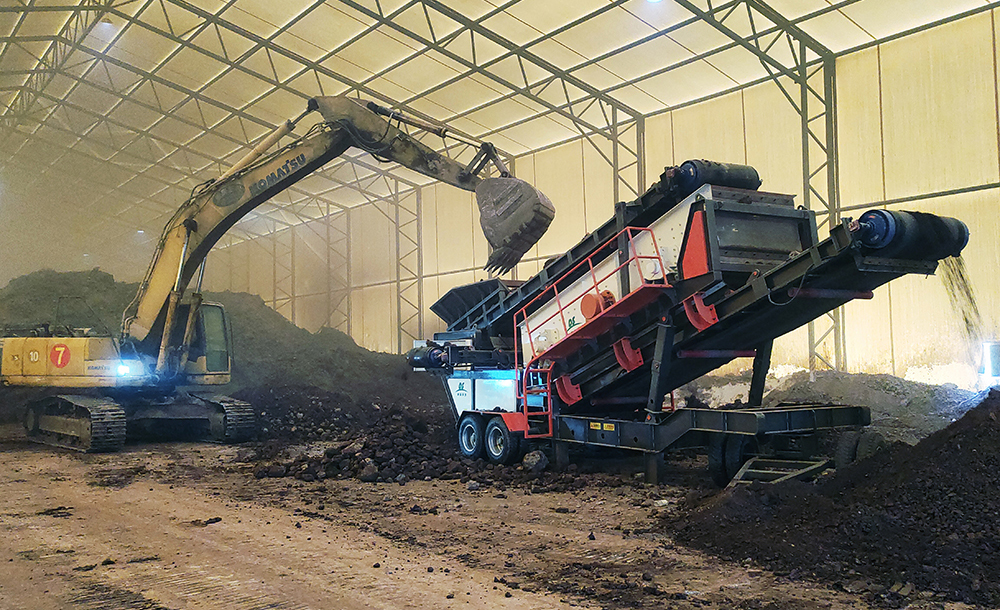
The line starts by scalping oversize debris and screening the soil, then the washed coarse fraction is separated by classification. Inside the wet circuit, attrition scrubbers break up agglomerates and strip clay and oxide coatings from sand grains, which is where most of the detachable arsenic leaves the coarse material. Water, reagent dosing and residence time are tuned during commissioning against grab-sample results rather than fixed assumptions.
Extraction and Residuals Management
The fine fraction leaves the classification stage as a slurry and carries the concentrated arsenic load. It is dewatered by a filter press into a stable cake, while dissolved arsenic in the process water is removed by precipitation with iron salts before the clarified water returns to the circuit. The cake is then either stabilized for landfill acceptance or, where the site's cleanup criteria allow, routed to further treatment. Both streams are verified analytically before anything leaves the site.

Confirming Compliance of Every Stream
Regulators in North America and Europe will want three sets of numbers before signing off: leaching results for the treated coarse fraction, typically TCLP in the United States or national leaching tests in Europe; characterization records for the dewatered fines against the receiving landfill's waste acceptance criteria; and mass balance documentation showing where the removed arsenic mass went. Building the sampling plan into the treatment sequence from day one avoids the common situation where a technically successful wash still cannot be closed out administratively.
What Project Teams Should Plan For
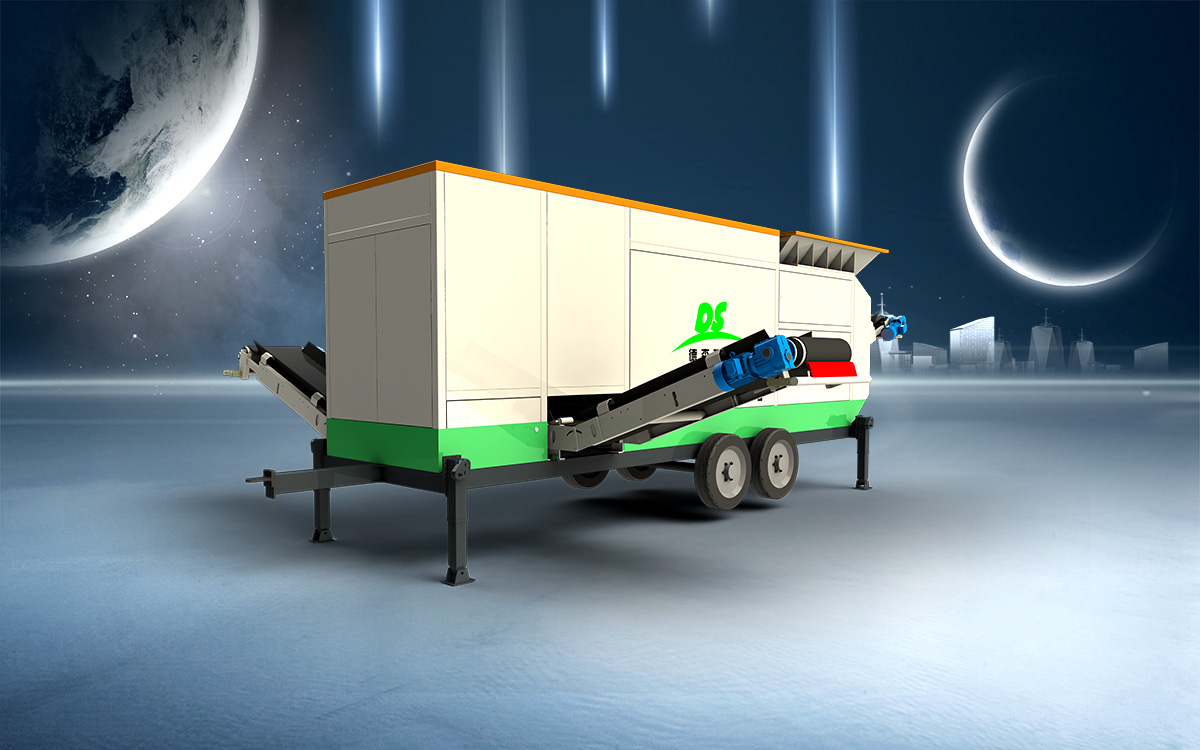
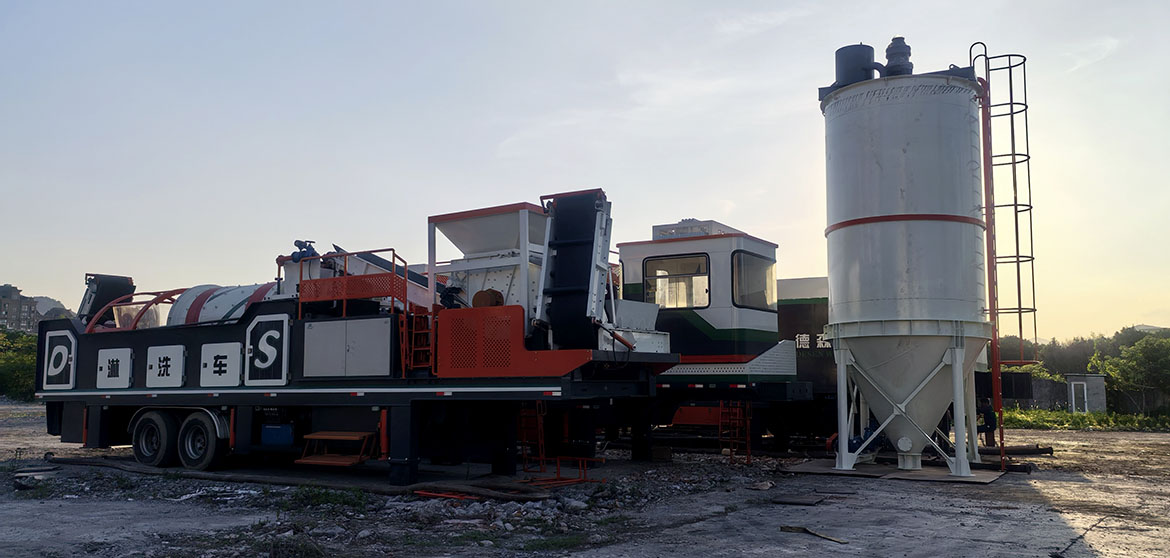
Arsenic sites reward early characterization. A sizing and speciation study that maps arsenic against particle size and iron oxide content will show whether washing can realistically hit the project's cleanup targets, and a pilot test on representative stockpiles converts that estimate into a defensible volume reduction figure for the budget. Desen Environmental builds modular and mobile soil washing plants that combine screening, attrition scrubbing, classification and filter press dewatering in a single configurable line, and supports pilot testing so extraction chemistry and reduction figures are confirmed on your own soil before full-scale investment. More background is available at materialwashing.com.