Mobile Fines Classification Before Washing: Setting Up the Size Cut Your Soil Washing Plant Needs
How to set up mobile fines classification before washing: cut points, deck selection and feed control so a soil washing plant receives the size fraction it needs.
Mobile Fines Classification Before Washing: Setting Up the Size Cut Your Soil Washing Plant Needs
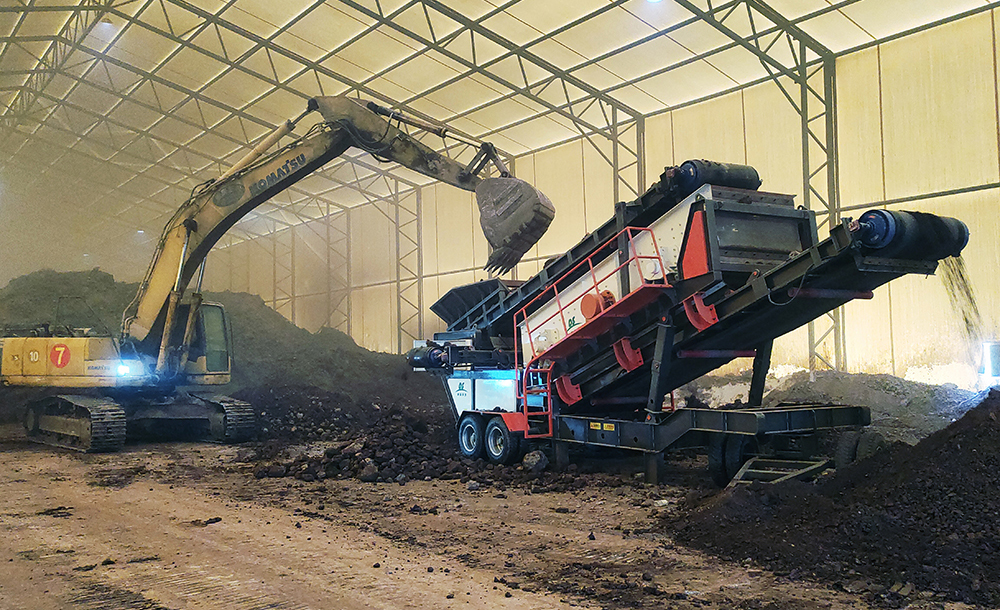
On contaminated soil projects across North America, the washing plant rarely gets the attention it deserves on one point: it only performs as well as the feed it receives. Before a single tonne enters the attrition scrubber, the excavated soil has to be divided into the right size fractions, and that division is what fines classification does. A mobile fines classification setup ahead of the washing line lets contractors make this cut directly on site, without fixed infrastructure, and adjust it as the soil character changes from one area of the site to the next. This article explains why the classification step matters, how to configure it with mobile screening equipment, and what operators should control once the line is running.
Why Fines Classification Comes Before Washing
Contaminants concentrate in the fine fraction
Decades of remediation data show that heavy metals and organic contaminants attach preferentially to clay particles, silt and iron oxide coatings, all of which sit at the fine end of the gradation curve. Coarse sand and gravel, once their coatings are scrubbed off, usually carry only a minor share of the total contaminant mass. This is the economic logic behind soil washing: if the contaminant load lives in a minority of the soil volume, separating that minority first allows the coarse fraction to be cleaned and reused while only the fines go to secure disposal. Classification before washing is therefore not a convenience step. It defines the boundary between material that can be recovered and material that must be treated as hazardous.
Washing equipment expects a defined feed
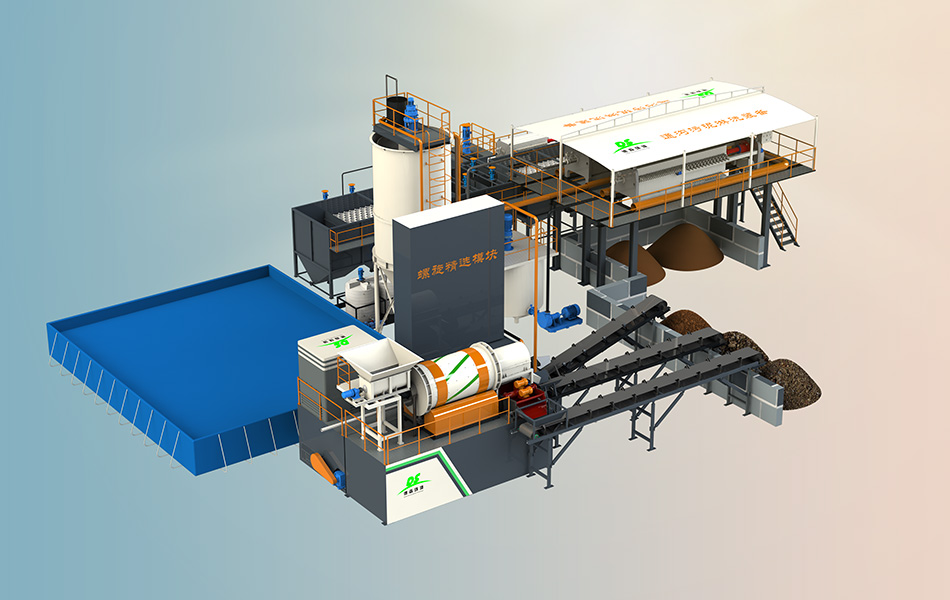
Attrition scrubbers, hydraulic separators and dewatering units are each designed around a specific size range. Unclassified feed causes predictable problems: oversized stones accelerate wear on pumps and scrubber internals, slimes overload the water circuit, and an inconsistent size distribution makes the process impossible to balance. When the screen ahead of the washer produces a stable cut, the washing plant holds its throughput and the treated soil leaves with consistent, reportable results.
Configuring a Mobile Classification Setup
Screen decks and cut points
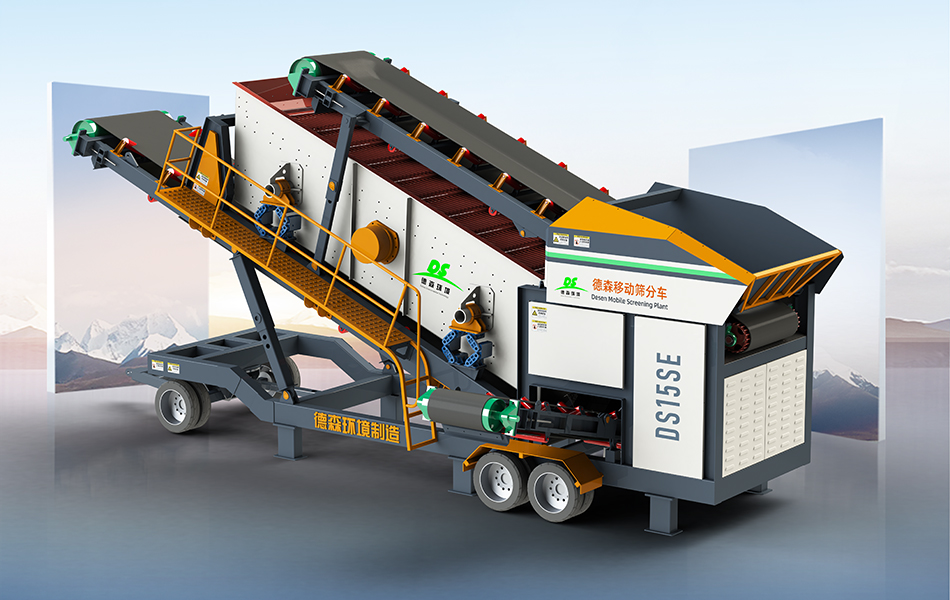
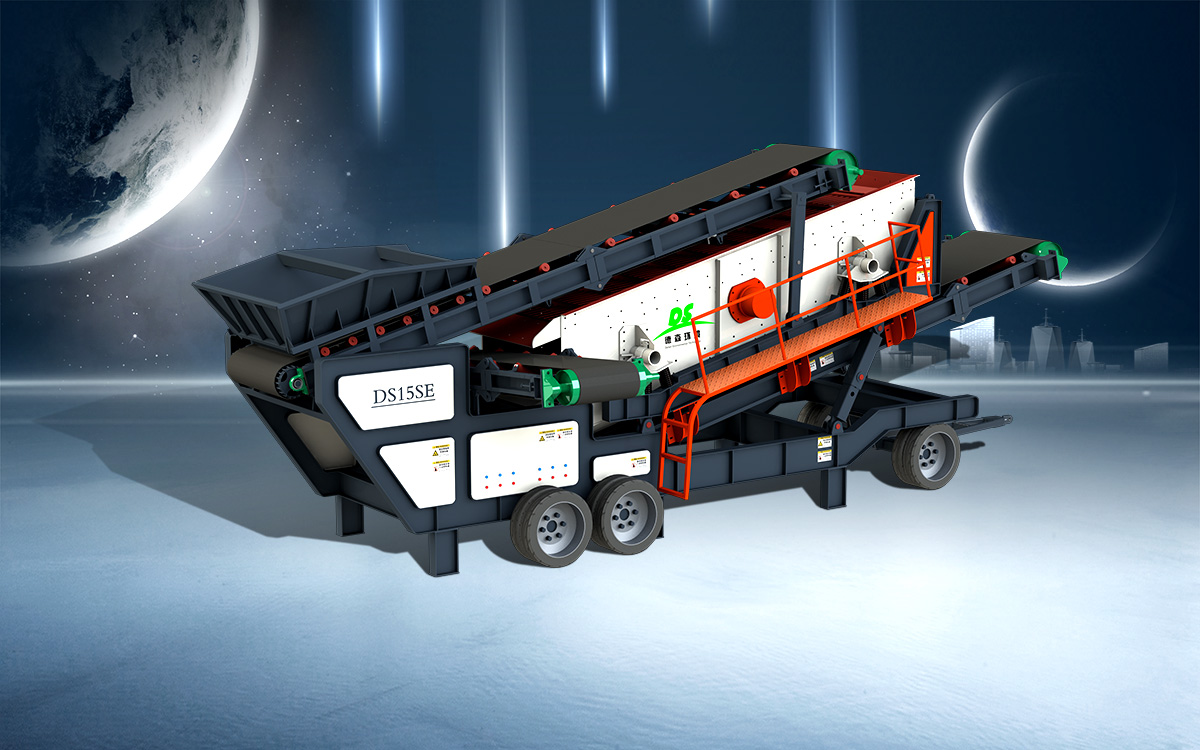
A typical mobile arrangement uses a trailer mounted screening unit with two decks, producing three fractions from one pass. The coarse fraction, commonly above 20 millimetres, is inspected and either crushed, washed separately or disposed of. The mid fraction, usually between 2 and 20 millimetres, becomes the main feed for the washing plant. The fines below roughly 2 millimetres, and particularly the fraction under 63 microns, are routed to a hydrocyclone or dewatering stage, because this is where the contaminant mass concentrates. These cut points are not arbitrary: 2 millimetres and 63 microns align with the size boundaries used in most North American treatability studies, so laboratory results transfer directly to the full scale setup.
Dealing with wet and sticky feed
Excavated soil is often wet, and a conventional vibrating deck can blind quickly under those conditions. Where moisture is high, contractors pair the mobile screen with scalping duties suited to the technology on hand, feed the material at a controlled rate, and keep spray bars available only where the process water budget allows. The goal is to keep the classification apertures open so the cut stays honest; a blinded deck quietly shifts fines into the wrong fraction and contaminates the coarse product.
Running the Step Well on Site
Classification looks simple on a flow sheet but rewards disciplined operation. The practical points that separate a productive setup from a frustrating one are:
- Fix the cut points from treatability data rather than adjusting apertures by feel, so the plant reproduces the laboratory performance the regulator has already seen.
- Control the feed rate with a consistent excavator or loader pattern, because surging feed pushes material past the decks before it can be classified.
- Stockpile each fraction separately and record its tonnage, which turns the screen into the source of the mass balance report that US state agencies typically require at closure.
- Watch the water: classification sprays and fines dewatering share the same circuit as the washing plant, so flow rates need to be planned together rather than added later.
- Inspect the decks each shift for blinding, pegging and wear, especially when the soil contains clay seams or asphalt fragments.
Once the mid fraction flows steadily into the washing line, the rest of the process becomes manageable. The scrubber receives material it was designed for, the fines dewatering stage sees a predictable load, and the mass balance across the site starts to close.
From Classification to a Closed Project
For contractors evaluating equipment for upcoming remediation tenders, the message is straightforward: specify the classification step and the washing plant together, not as separate purchases. Desen Environmental supplies trailer mounted screening units and modular soil washing plants that are configured as one process line, with cut points, water circuitry and throughput matched during the design stage. That coordination is what allows a mobile line to start producing reportable results within days of arriving on a North American site.