Tender Specification Writing for Soil Washing Services: What to Define Before You Go to Market
A soil washing tender only prices what the specification defines. Structure feed data, acceptance criteria and commercial clauses to get tighter bids and fewer variations.
Tender Specification Writing for Soil Washing Services: What to Define Before You Go to Market
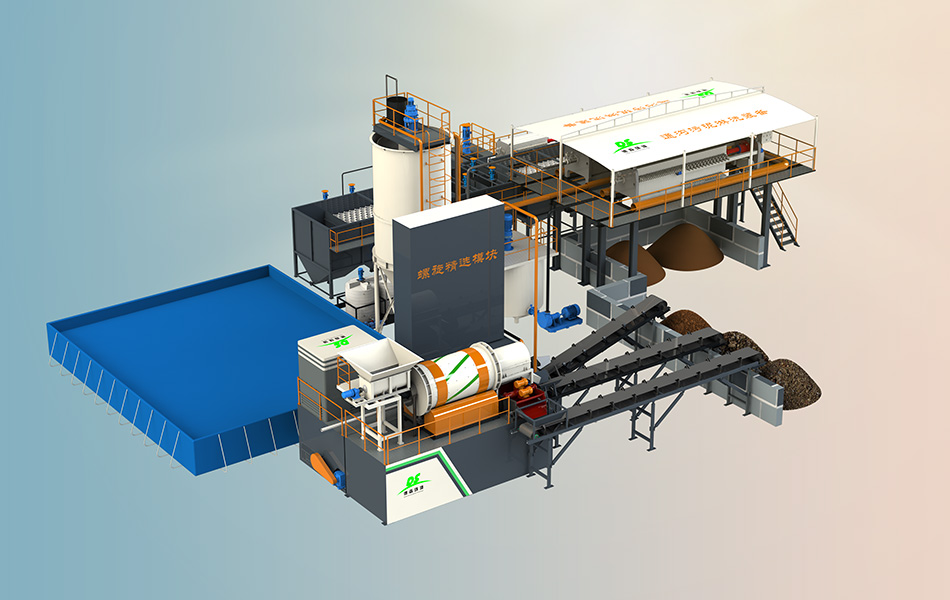
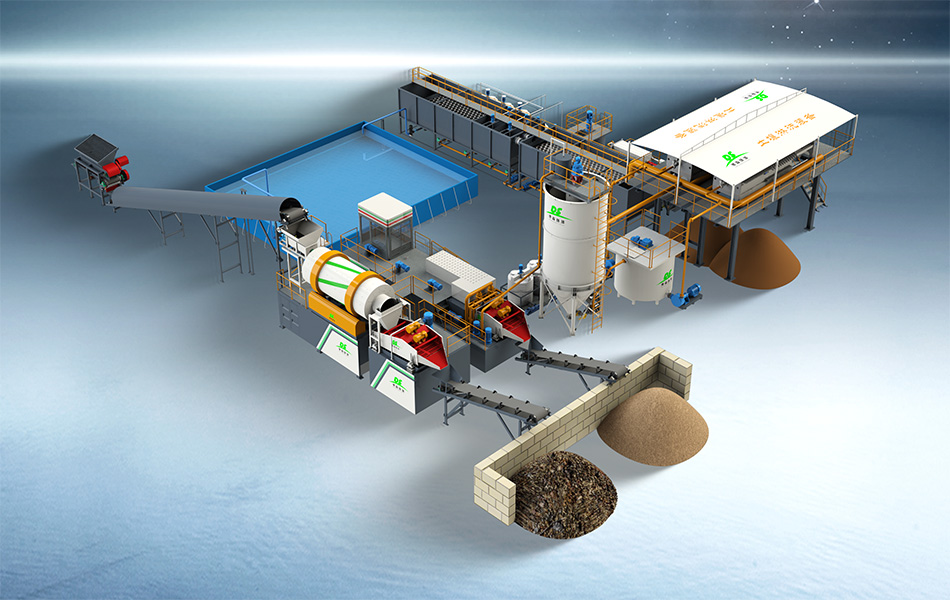
When a project owner or remediation contractor decides to outsource soil treatment, the tender document becomes the single most consequential technical paper of the project. Bidders can only price what a specification describes, and every gap left open returns later as a contingency premium or a variation claim. Tender specification writing for soil washing services therefore deserves the same engineering attention as the treatment design itself. It is the point where the project fixes its throughput, its acceptance criteria and its cost base. This article sets out how to structure such a specification, which data bidders genuinely need, and which clauses separate a smooth procurement from a drawn-out dispute.
Why a Vague Specification Costs Money
Soil washing is a volume-reduction process whose economics depend almost entirely on the character of the feed. A specification that simply states "wash 20,000 tonnes of heavy metal contaminated soil" leaves the critical questions open: how the contamination is bound, what share of the mass is fine material, and what the treated output must achieve. Experienced bidders respond in one of two ways, and neither helps the project. Some add a large contingency to the price. Others submit a lean figure and recover the margin through variations once the real soil arrives at the plant.
Questions Every Serious Bidder Will Ask
- Contamination: which substances are present, at what concentrations, and which limits define "clean"?
- Feed character: what is the particle size distribution, plasticity and moisture content of the soil?
- Programme: what daily tonnage must be processed, and over how many working weeks?
- Water and residues: where will wash water come from, and how must process water and fines be managed?
- Permits: which approvals are already in place, and which remain the contractor's responsibility?
- Site conditions: what hardstand, power supply, access roads and stockpile areas exist?
A specification that answers these questions in advance invites tighter pricing, because risk shifts from the bidder's assumptions to documented site facts. It also shortens the clarification round, which on international projects can otherwise consume two to three weeks of the programme.
The Technical Core: Feed Data, Outputs and Acceptance Criteria
Feed Characterisation Data to Attach
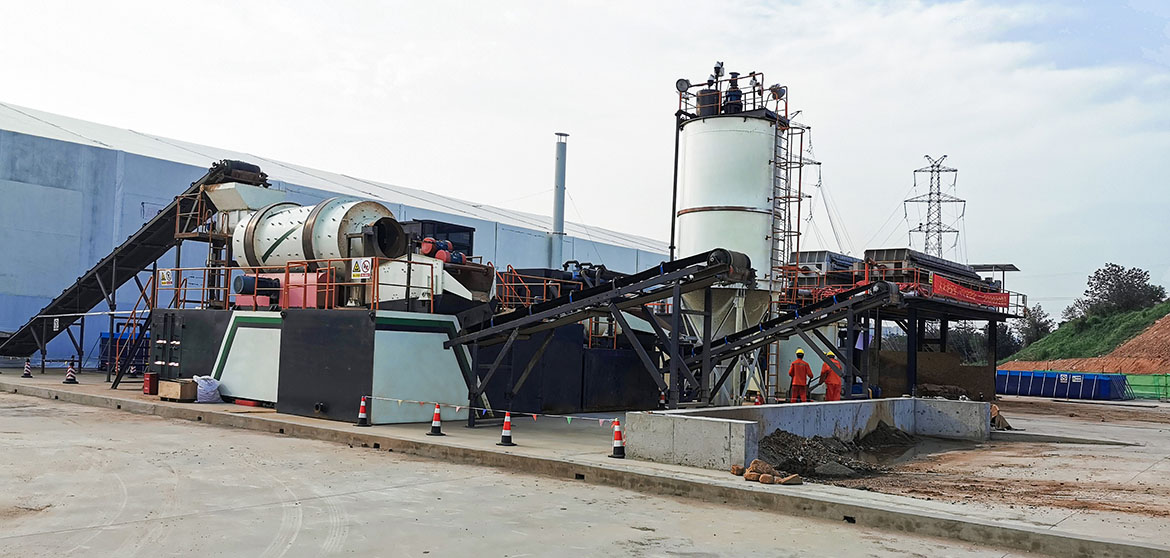
The laboratory report is the heart of the technical annex. Attach particle size distribution curves for representative samples, heavy metal concentrations for each size fraction, leaching test results, and a description of visible debris. This single package determines whether a bidder proposes a drum-based scrubbing line for coarse, strongly bound contamination or an attrition-focused configuration for clay-bound metals. It also drives the sizing of screening, dewatering and water treatment equipment. Withholding or summarising this data saves pages in the tender but costs real money in the price.
Define the Outputs, Not Only the Inputs
Equally important is a precise description of what the plant must produce. State the target gradation of the washed product, the leaching or concentration limits that allow reuse on site, and the expected mass reduction. Describe the fine residue stream explicitly: how it will be dewatered, how it will be classified once dewatered, and where it may be disposed of. When acceptance criteria are written as measurable limits — a leaching value, a fraction passing a defined sieve — completion disputes largely disappear.
Commercial and Practical Clauses That Keep the Project Moving
Beyond the technical annex, several clauses decide whether the procurement runs smoothly. Define mobilisation and demobilisation responsibilities and the notice period required for site readiness. State the utilities the client provides — power, water source, fuel — and the working hours and weather windows assumed in the schedule. Specify the performance test protocol: how throughput is measured, over what duration, and what happens if the agreed output is not reached. Tie payment milestones to verified production rather than calendar dates, so both parties share the same definition of progress.
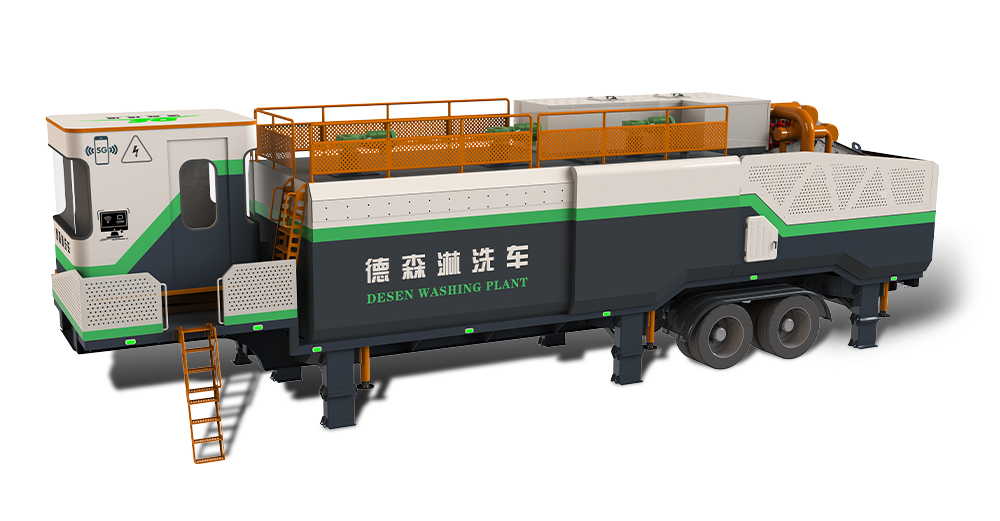
Equipment choice deserves explicit language as well. A specification that permits mobile, trailer-mounted washing equipment as well as modular plants widens the field of capable bidders and often shortens mobilisation on constrained sites, provided the acceptance criteria remain identical for every bidder. Finally, require a named after-sales and spares commitment in the bid, because on a treatment campaign lasting months, response time for wear parts is a production risk, not a detail.
A well-drafted specification is not a longer one. It is a document that converts the site's realities into measurable requirements, attaches the data bidders need to price them, and defines completion before the first excavator moves. Projects that invest in this document typically see tighter bid spreads, fewer variations and a treatment campaign that finishes on programme — which is, in commercial terms, the whole point of writing it well.