Waste Classification for Washed Soil Fractions: Sorting Plant Output Into Reusable and Disposable Streams
A soil washing plant produces several output streams. Learn how to classify each washed soil fraction, from sampling and testing to waste codes and the right outlet.
Waste Classification for Washed Soil Fractions: Sorting Plant Output Into Reusable and Disposable Streams
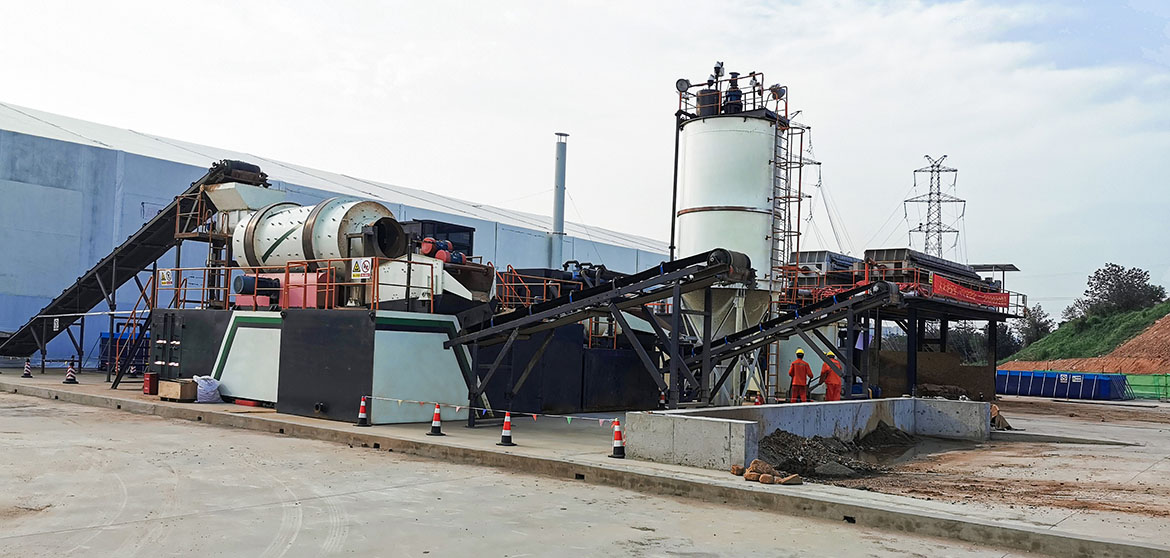
A soil washing plant rarely produces a single output. Once excavated soil has passed through scrubbing, sizing and dewatering, the line typically discharges three or four physically and chemically different streams: coarse gravel, washed sand and a fine sludge cake. Each stream carries a different contamination profile, and under European waste law each must be classified on its own merits before it can be reused on site, sent for recovery, or taken to a permitted landfill. Getting this classification right is what turns a washing campaign from a simple volume-reduction exercise into a compliant, cost-controlled cleanup.
One Plant, Several Output Streams
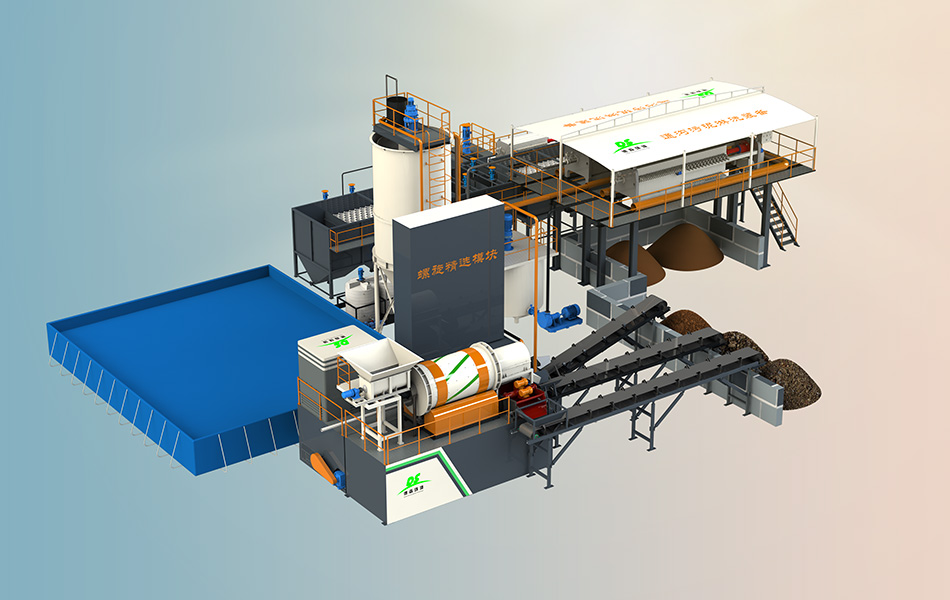
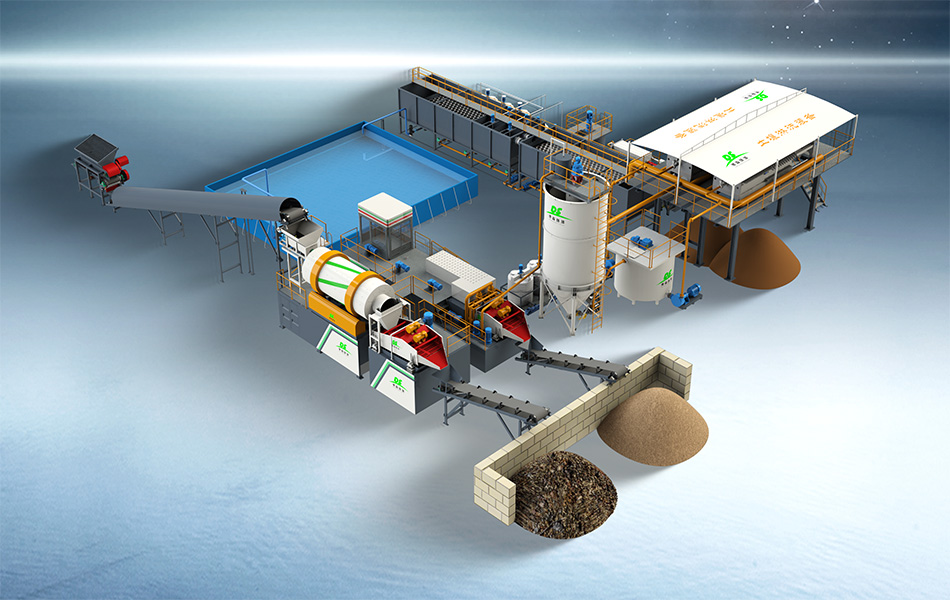
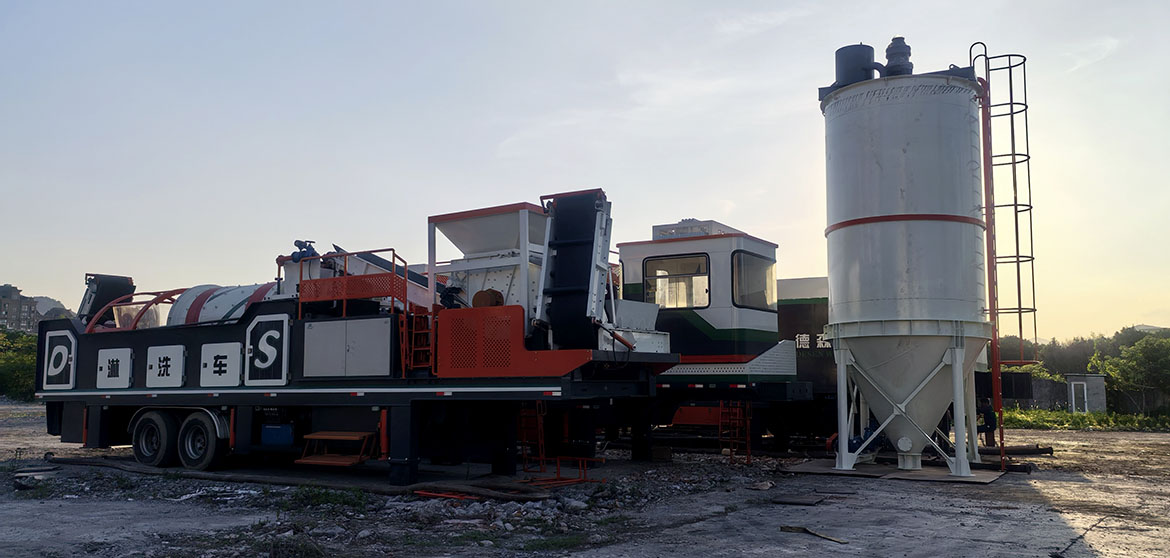
Size separation is the core of soil washing. Contaminants bind preferentially to fine, clay-rich particles, while coarse grains are comparatively easy to clean. A modular washing line exploits this by splitting the feed into distinct size cuts, each of which leaves the plant through its own discharge point and lands in its own stockpile.
The fractions a typical modular washing line separates
- Coarse fraction (above roughly 2 mm): gravel, crushed brick and stone fragments, usually the cleanest stream after scrubbing and often suitable for reuse as aggregate.
- Sand fraction (0.063 to 2 mm): the main recoverable output on most remediation projects, washed to remove attached fines and contaminants.
- Fine fraction (below 0.063 mm): silt and clay particles, where the largest share of heavy metals and organic contaminants concentrates, dewatered into a filter cake for disposal.
Because contamination follows the fines, each fraction needs its own sampling and its own classification result. Applying a single pre-washing soil classification to every output stream is the most common compliance mistake on washing projects, and it usually fails at the receiving facility gate.
Classifying Each Fraction Under the European Framework
Sampling and laboratory testing per stockpile
Classification starts at the stockpile, not in the office. Every fraction stockpile should be sampled representatively across its volume, and the laboratory suite should match the site's conceptual model: heavy metals for industrial and smelting sites, PAH and petroleum hydrocarbons for gasworks and fuel-contaminated land. The results are then assessed against the hazardous property criteria to decide whether the fraction is hazardous or non-hazardous waste.
Waste codes and the outlet that follows
Each classified fraction is assigned a code from the European List of Waste that reflects both its origin and the treatment it has received, so washed soil carries a different code from the raw excavated material. The code, together with the analytical results, determines the route: direct reuse on site, transfer to a recovery facility, or disposal at a permitted landfill, where waste acceptance criteria apply to the fine cake in particular. End-of-waste decisions for cleaned sand and gravel are a separate, downstream step that builds on these same classification records.
Practical Steps to Keep Classification Moving
- Segregate fractions at the plant discharge and never re-mix streams once they have been classified.
- Sample and test every stockpile before it leaves the site, not after the receiving facility rejects it.
- Match each List of Waste code to the actual origin and treatment of the stream, and keep the analytical dossier with it.
- Confirm the receiving outlet's permit conditions early in the project so the classification scope covers what they require.
- Keep a running mass balance from feed to outputs; it supports both the classification file and the project's cost reporting.
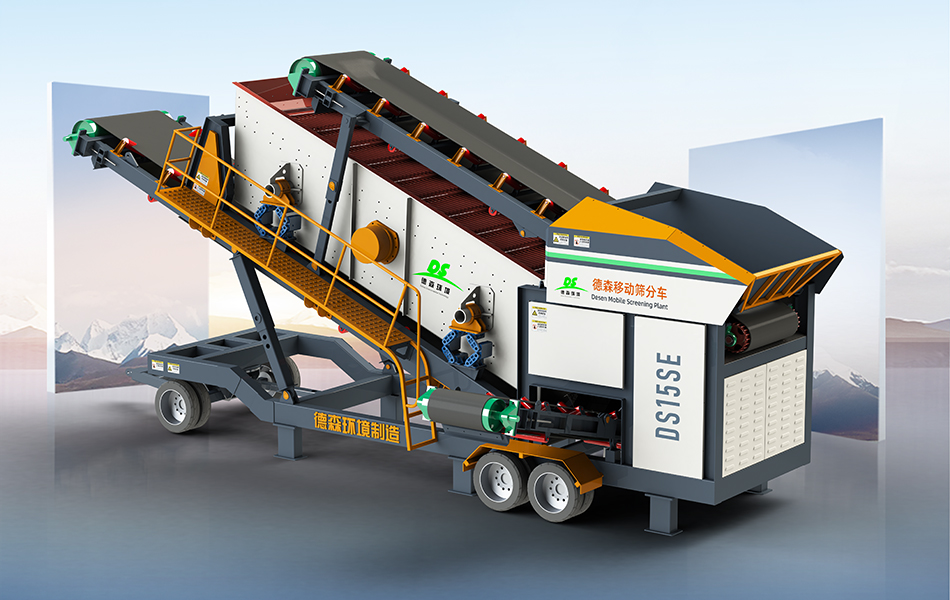
Waste classification for washed soil fractions is not paperwork that trails the washing campaign. It is a planning step that runs alongside it. Desen Environmental supplies modular and mobile soil washing plants with clearly separated discharge points, which makes fraction segregation and per-stream sampling straightforward on remediation sites across Europe, the Middle East and beyond. To discuss how our equipment supports a clean classification workflow, contact our team for a project-specific proposal.