Soil Washing Equipment Factory Acceptance Testing: What to Verify Before Your Plant Ships
Factory acceptance testing for soil washing equipment confirms completeness, function and process performance before shipment. See what overseas buyers should verify and document at the FAT.
Soil Washing Equipment Factory Acceptance Testing: What to Verify Before Your Plant Ships
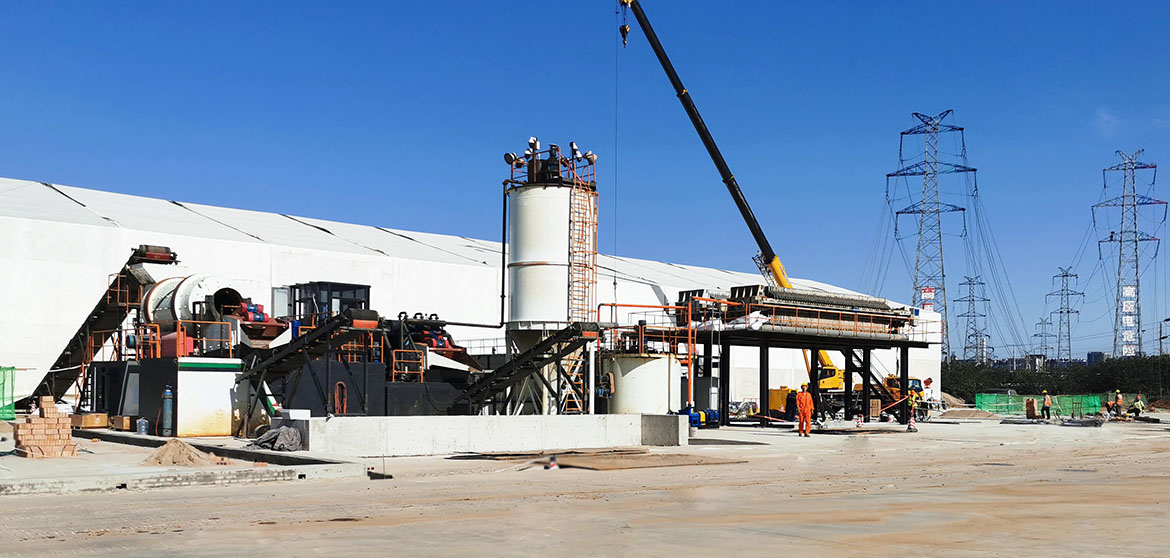
Factory acceptance testing — FAT — is the last point at which a problem with a soil washing plant can be fixed cheaply. Once the equipment is crated, shipped and cleared through customs, every defect turns into a site delay measured in weeks. For buyers in the Middle East and Southeast Asia, who often order a modular or mobile washing line from a manufacturer thousands of kilometers away, factory acceptance testing for soil washing equipment is not a courtesy visit. It is the technical gate that confirms the plant you paid for is the plant that arrives.
Why FAT Carries More Weight for Overseas Projects
A domestic buyer can send an engineer back to the workshop in a morning. An overseas buyer usually cannot. Between a defect found at the factory and the same defect found on site stand an ocean freight leg, a customs clearance and a remobilization of the site crew — and the remediation schedule does not pause while a replacement pump or screen deck travels. The FAT shifts that risk to where it costs the least to manage: while the plant is still bolted to the workshop floor, with the manufacturer's engineers, spare parts and test facilities all within reach.
What a FAT Should Actually Prove
A factory acceptance test is not a photo session and not a repeat of the sales presentation. It is a structured demonstration, against criteria agreed in the contract, that the equipment is complete, functional and capable of the process duty it was sold for. A credible FAT scope covers:
- Mechanical completeness: every module, motor, gearbox, conveyor, valve and instrument on the contract list is present, undamaged and correctly installed.
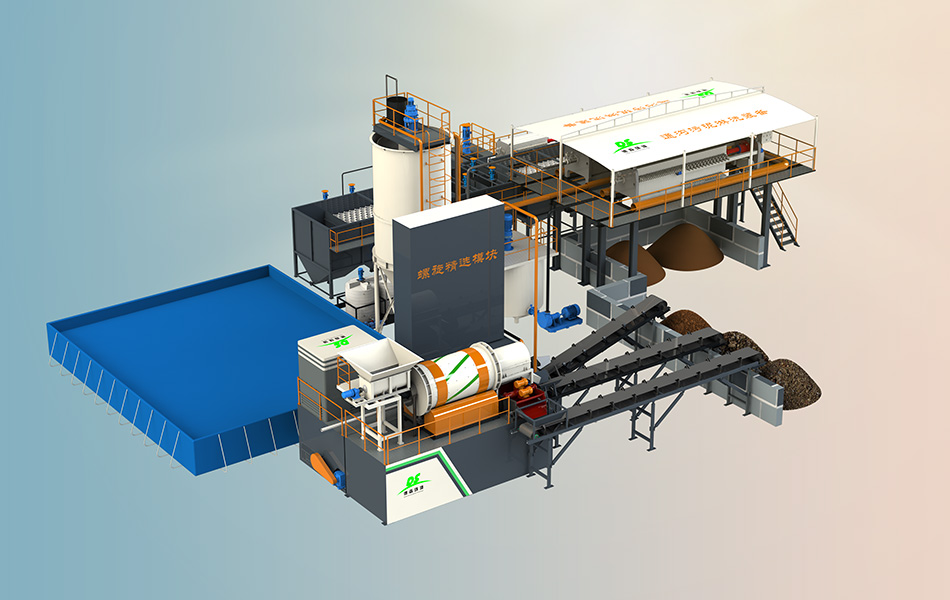
- Function of each drive: the drum scrubber, screening units, pumps and agitators run at design speed without vibration, overheating or abnormal noise.
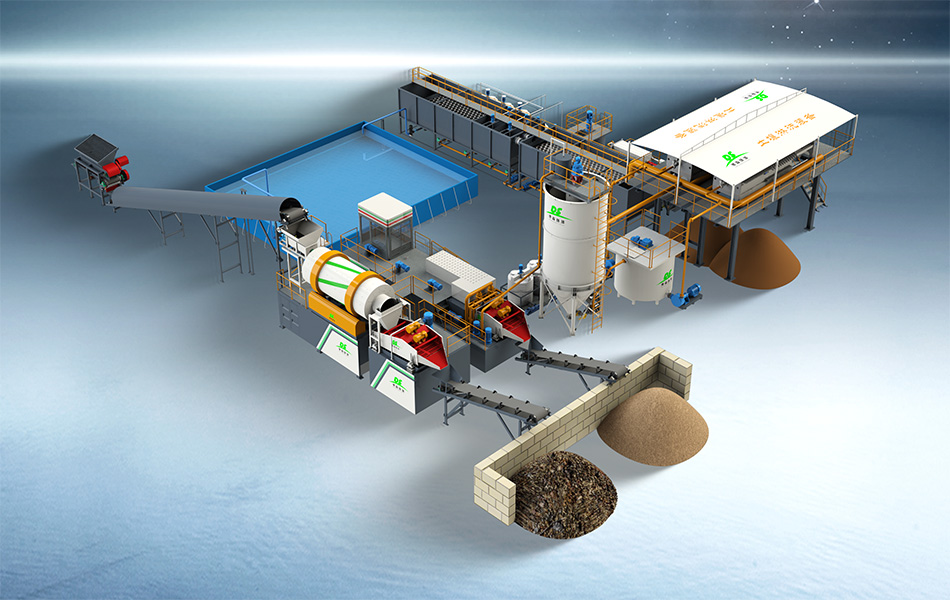
- Process performance: a water or test-material run shows that washing, classification and solids handling work together, not only one machine at a time.
- Controls and safety: interlocks, emergency stops, overload protection and the PLC sequence behave as the electrical drawings describe.
- Water balance: pumps, cyclones and settling tanks circulate without leaks, and the closed-loop arrangement matches the layout drawing.
The Typical FAT Sequence at the Workshop
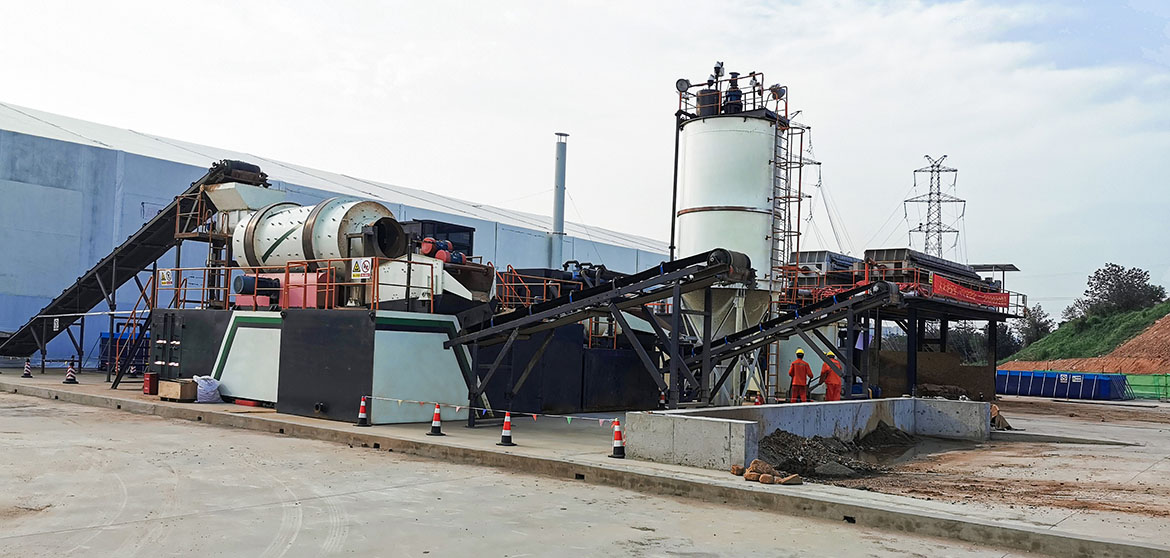
A well-run FAT follows a fixed order. First, static inspection: the modules are laid out, and welds, coatings, liners and wear plates are checked against the drawings. Second, dry runs: each motor and conveyor starts individually, then the interlocked sequence runs empty. Third, wet testing: the line is charged with water and, where the contract allows, with a test feed that resembles the project soil in grading and plasticity. A continuous run of two to four hours at design speed tells an experienced witness more about alignment, sealing and pump behavior than any datasheet.
Where the real feed material is too difficult to transport, a substitute such as clean sand and gravel blended with clay is often used. That is acceptable for mechanical FAT, but the buyer should record it: process performance on the actual soil is then verified during site commissioning, and the contract should say so explicitly.
Documents to Collect Before Leaving the Factory
The papers are as much a deliverable as the machines. Before the FAT closes, the buyer should receive, or lock in a date for:
- The signed FAT report, listing each test item, the acceptance criterion, the measured result and any punch-list items with a deadline for closure.
- As-built electrical and piping diagrams, PLC program notes and the operating and maintenance manuals.
- The wear parts and commissioning spares inventory, packed and labeled against the commissioning schedule.
- The container or break-bulk packing list, with marking numbers that match the shipping plan.
Witnessing Remotely When Travel Is Not Practical
Many buyers cannot send an engineer abroad at short notice. A remote FAT is workable if it is disciplined: live video of each test item rather than edited clips, gauge and ammeter readings shown on camera, a continuous unedited recording delivered afterward, and the test protocol countersigned before testing begins. It is less satisfying than standing beside the drum scrubber, but it preserves the essential point — defects are found before shipment, not after.
Common FAT Pitfalls to Avoid
Three issues come up again and again. First, acceptance criteria left undefined: if the contract does not state what a passing test looks like, a dispute at the factory is hard to win. Second, testing only with clean water: everything runs smoothly, and the first sticky clay feed on site stalls the line. Third, closing the FAT while punch-list items are open; each unresolved item should carry a completion date and, ideally, a retention clause. Handled with discipline, factory acceptance testing for soil washing equipment converts long distance into a short, well-documented handover — and gives the site crew a plant that starts commissioning instead of repair.