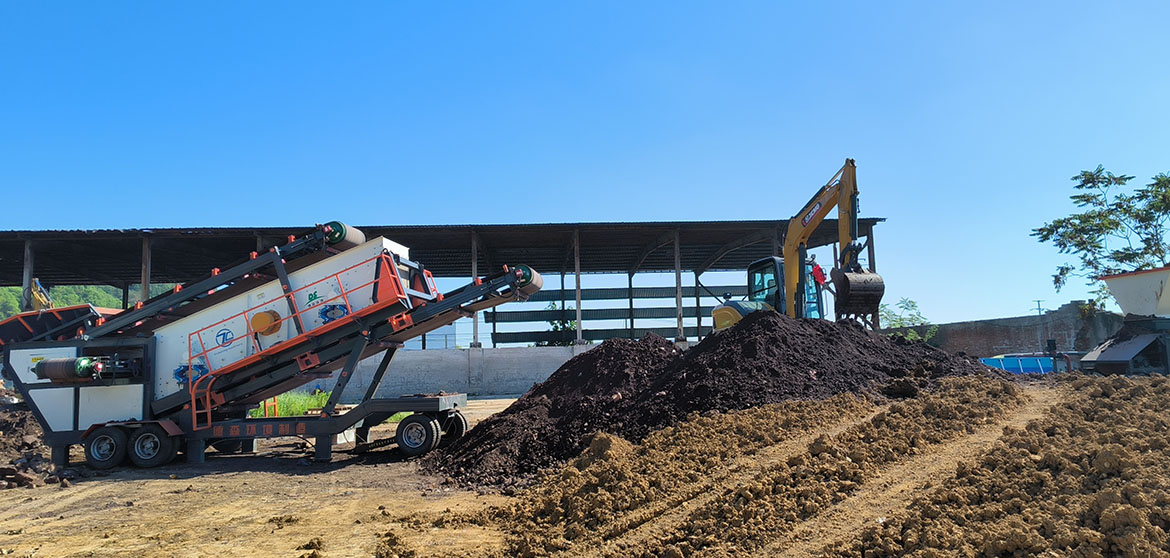
Rapid Deployment Washing Equipment Overseas Shipping: From Factory Gate to First Bucket
How to ship a soil washing plant overseas fast: shipping format, export and import paperwork, inland haulage and a receiving sequence that protects the start-up date.
Rapid Deployment Washing Equipment Overseas Shipping: From Factory Gate to First Bucket
When a remediation contract is awarded in the Gulf or in Southeast Asia, mobilization starts the day the purchase order is signed. Most buyers plan the process side of rapid deployment carefully, then lose two or three weeks at a port because a lifting plan, a wood packaging stamp or an import certificate was not ready when the vessel was. This article covers the shipping decisions to settle before a soil washing plant is built, the paperwork that stops cargo, and the handover from quay to operating pad.
Choose the Shipping Format While the Plant Is Still on the Drawing Board
Shipping format is usually treated as a freight question. In practice it decides how much assembly work lands on site, how long commissioning takes, and whether the delivery date survives contact with a port schedule.
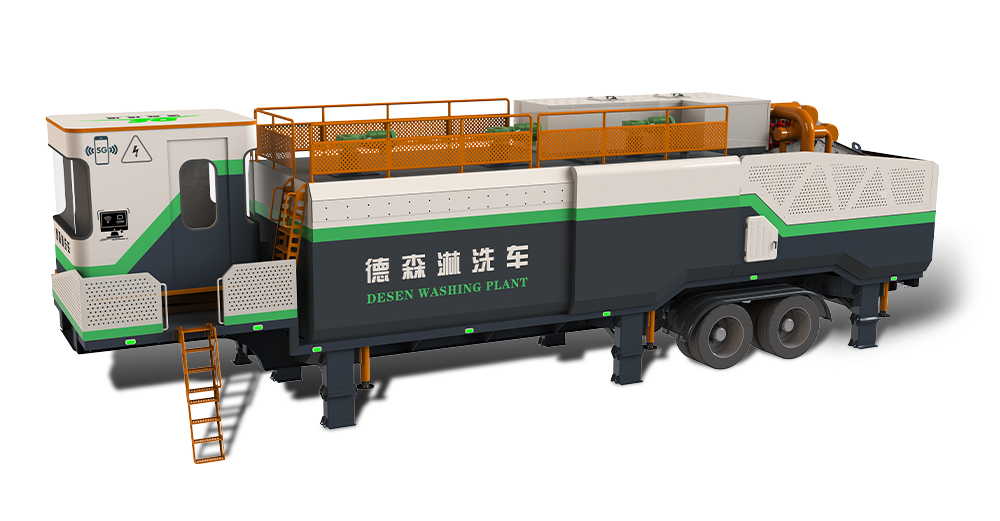
Complete unit travelling on its own chassis
A trailer or skid mounted unit that rolls onto a roll-on roll-off deck, or is lashed to a flat rack, arrives essentially assembled. Site work reduces to positioning, connecting water and power, and running the checks any start-up requires. The constraints sit upstream: overall dimensions and centre of gravity must be confirmed against the vessel and the receiving port, lifting points must be marked and rated, and roll-on roll-off sailings to Gulf and Southeast Asian ports are less frequent than container services, so space is booked early.
Containerized or break-bulk modules
Modules built to fit a 40 foot high cube container are cheaper to move and easier to route inland, but internal clearances are unforgiving: roughly 12 metres of length, 2.35 metres of width and 2.69 metres of height, with the door opening narrower still. A module that exceeds those figures moves as break bulk on a flat rack or a general cargo vessel, which changes the port, the crane plan and the insurance cover. More modules also means more bolted interfaces and a longer commissioning window.
- Confirm every module against the internal dimensions of the container, not the nominal external size.
- Weigh each unit as packed, and check the figure against the lifting capacity available at the destination port.
- Mark lifting points and centre of gravity on the drawing, and photograph them on the packed unit.
- Book roll-on roll-off or break-bulk space before the factory acceptance test, not after it.
Documentation Is the Real Bottleneck
Cargo rarely waits for production; it waits for paper. A missing certificate of conformity or an unstamped timber crate can hold a consignment for a week while demurrage accumulates, and no amount of expediting at the factory recovers that time.
The export set
The commercial invoice, packing list, bill of lading, certificate of origin and marine insurance certificate form the core set, and each must agree with the others on weights, values and descriptions. Test reports and electrical drawings travel with the shipment so the receiving engineer can start work before the last container is opened. Wood used in crating, dunnage or bracing must be heat treated and stamped to ISPM 15; untreated timber is a routine cause of hold at destination quarantine.
Destination import requirements
Import formalities differ enough between markets that they should be checked against the specific destination rather than assumed. Saudi Arabia requires a certificate of conformity issued through the SABER platform, the United Arab Emirates applies its own conformity scheme, and several Southeast Asian markets require a pre-shipment inspection for second-hand equipment. Classification matters too: washing, screening and sorting machinery for earth and stone normally falls under HS 8474, and a misclassified entry invites a valuation query that can outlast the demurrage clock.
From Quay to Operating Pad
The final hundred kilometres decide whether the plant produces in the promised week. Port discharge is the easy part; the inland leg is where abnormal loads meet bridge limits, curfew rules and roads never designed for a loaded low-bed trailer.
Inland haulage and lifting
Walk the route before the vessel sails. Confirm bridge and overhead clearance, axle load limits, permit lead times for abnormal loads and any night convoy restrictions. On site, check crane or reach stacker capacity against the heaviest packed unit, and confirm the crane can set it down inside the plant footprint, not merely at the gate. Where ground is soft, the pad and the crane matting belong in the shipping plan, not in a separate civil works discussion.
Receiving and the first week
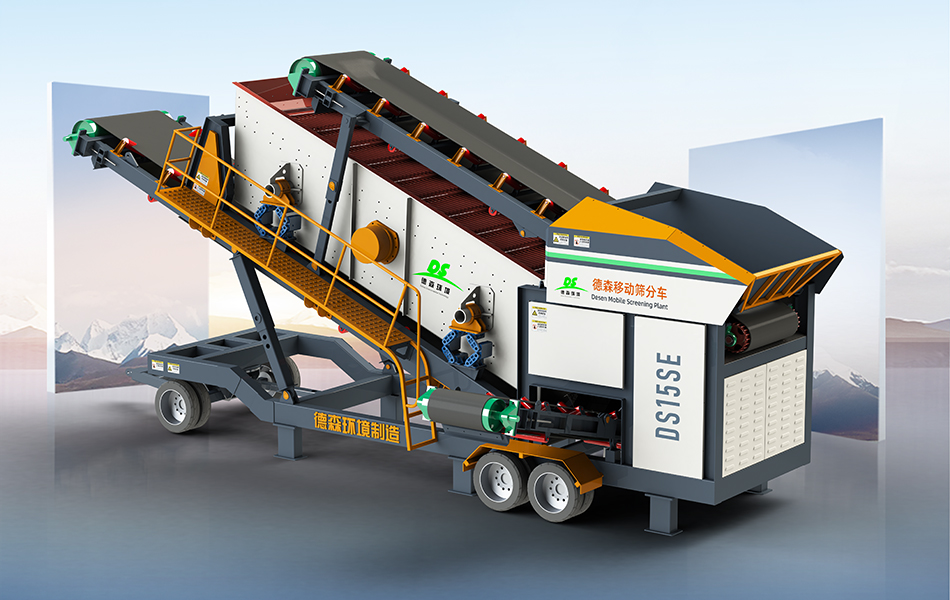
A receiving sequence that works: inspect and photograph every unit against the packing list on arrival, stage modules in the order they will be erected, complete mechanical and hydraulic checks before any slurry is introduced, then run a water-only test of the washing circuit before feeding soil. Only after the water test should the first stockpile be processed, and the first day of production should be a supervised trial with the operating crew rather than a handover ceremony. Desen issues a commissioning and training schedule with each overseas shipment so the receiving team knows which checks belong to day one.
Rapid deployment is therefore less about speed on the factory floor than about removing the unknowns between the factory gate and the first bucket of soil. Fix the shipping format early, prepare the paperwork before the plant is packed, and rehearse the inland leg. Those three steps usually decide whether an overseas soil washing project starts on schedule.