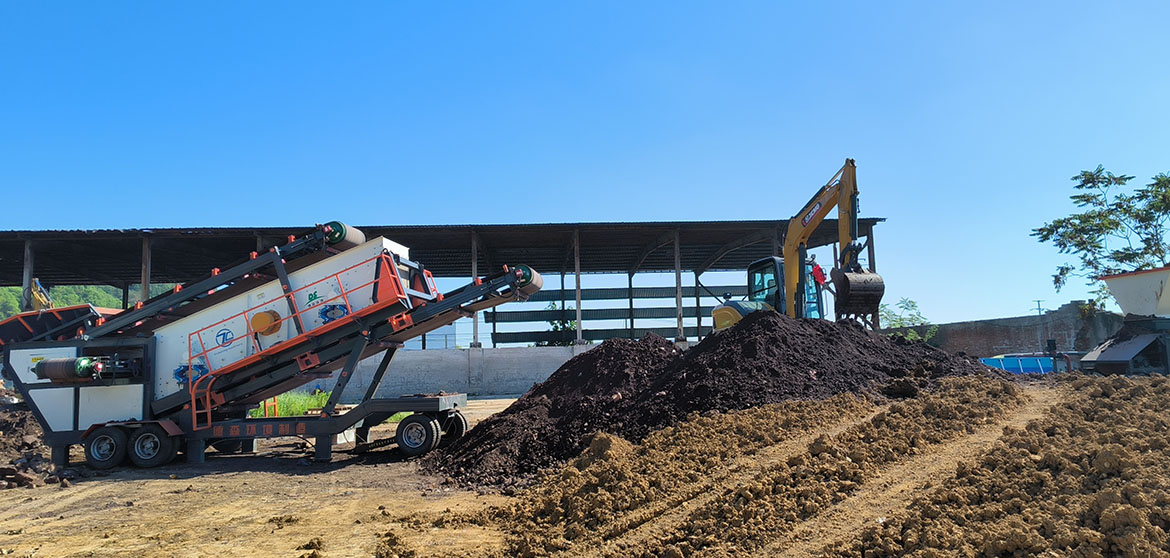
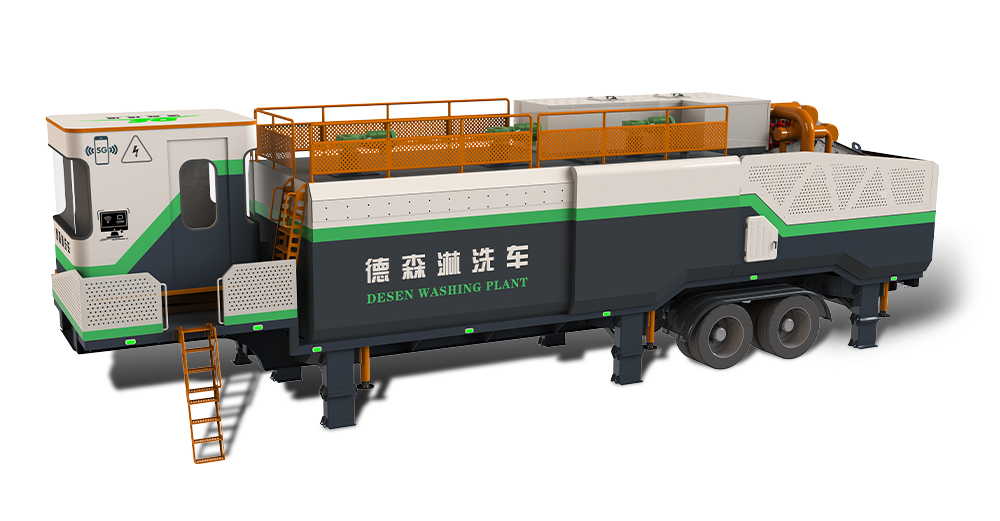
Mobile Washing Plant Winter Operation: Running Soil Washing Equipment in Cold Climates
How to keep a mobile washing plant in winter operation in cold climates: heated process water, enclosed modules, frozen feed handling and drainage for soil washing projects.
Mobile Washing Plant Winter Operation: Running Soil Washing Equipment in Cold Climates
Remediation programs in North America and Northern Europe rarely pause for the season. Once the ground freezes, hauling contaminated soil off site gets harder and more expensive, which is exactly why more contractors now plan for mobile washing plant winter operation instead of shutting the site down in November. Cold climate soil washing is routine engineering rather than guesswork, provided the plant, the water circuit and the feed are prepared before the first hard freeze. 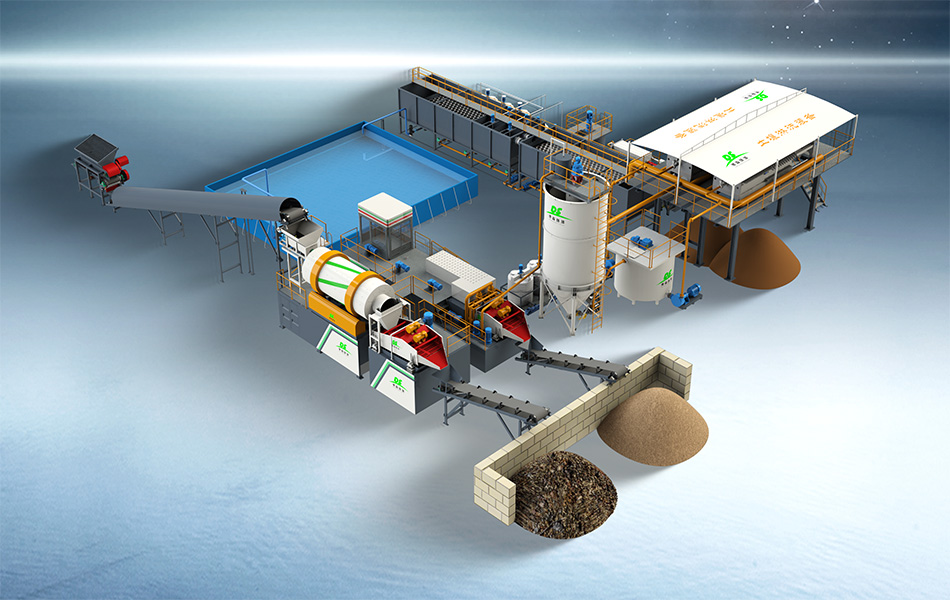
What Freezing Temperatures Do to a Washing Line
Process water fails first
Water is the working medium of every soil washing plant, and it is also the first thing winter attacks. Exposed piping, pumps, hydrocyclones and thickeners can freeze solid overnight, and a closed water loop that ran cleanly in October can turn into an ice block by December. Heating the process water solves two problems at once: it keeps the circuit moving, and it improves washing performance, because dispersants, chelating agents and surfactants all work better in warm water than near 0 C. Slurry that carries heated water also loses less viscosity, which keeps cyclone cuts and attrition results closer to the test-work predictions. 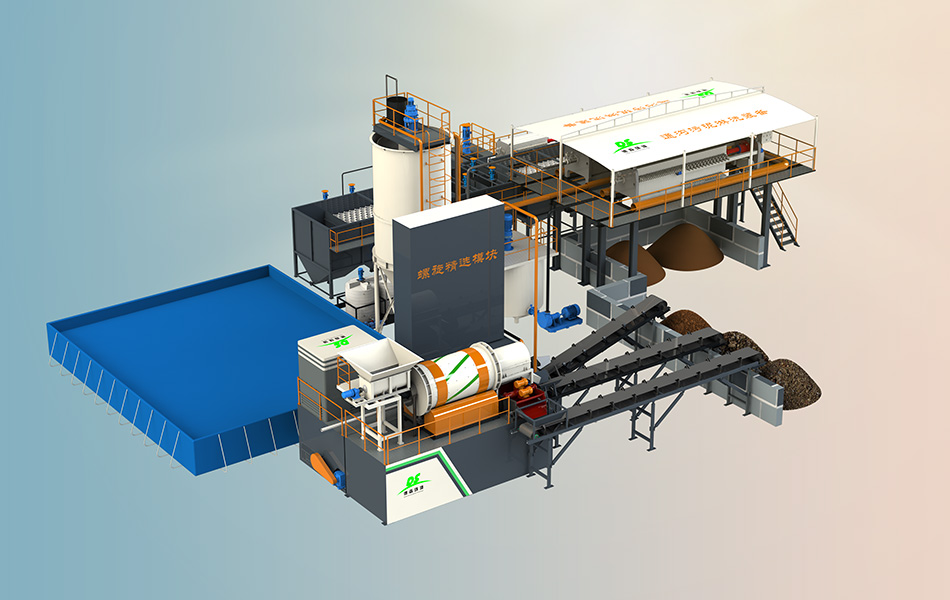
Frozen feed behaves like rock
Excavated soil from an open stockpile arrives at the hopper in frozen lumps that blind the screens, slip on conveyors and reduce contact between particles inside the attrition scrubber. The practical answers are organizational: cover the stockpiles before the ground freezes, schedule feed delivery from sheds or heated bays where the contract allows, break the frozen crust ahead of the hopper, and keep prescreening under a canopy so fines do not freeze to the deck.
Winterizing a Mobile Washing Plant: The Practical Checklist
Most winter measures are cheap if they are done in autumn and expensive if they are attempted in January. A mobile washing plant is easier to protect than a fixed installation because its modules are compact and accessible, but the checklist still needs a named owner on site:
- Insulate and heat-trace piping. Above-ground slurry and clean water lines need insulation or heat tape, plus drain-down points at every low spot so lines can be emptied overnight.
- Heat the water loop. A boiler or heat exchanger keeps process water above freezing, and tanks and thickeners should circulate or agitate continuously to prevent ice sheets.
- Enclose the modules. Tarps, container skins or a temporary hall over the washing and dewatering zones cut heat loss and keep snow out of bearings and drives.
- Protect the filter press. A press housed in a heated enclosure can discharge cake all winter; a frozen one cannot.
- Manage drainage. Graded pads and lined drainage keep snowmelt out of the washing zone instead of letting it refreeze as ice under platforms and walkways.
- Stock spares for the season. Antifreeze, spare heaters, heated hoses for dosing lines, and time in every shift for de-icing rounds.
Drainage, pads and power on a winter site
Civil works matter more in winter than in summer. A drained, graveled pad under the modules keeps meltwater controlled, and the power supply has to cover both the plant load and the heating demand, which can add a meaningful share to site consumption. Contractors who sized their generator for the plant alone often discover the gap during the first cold snap. 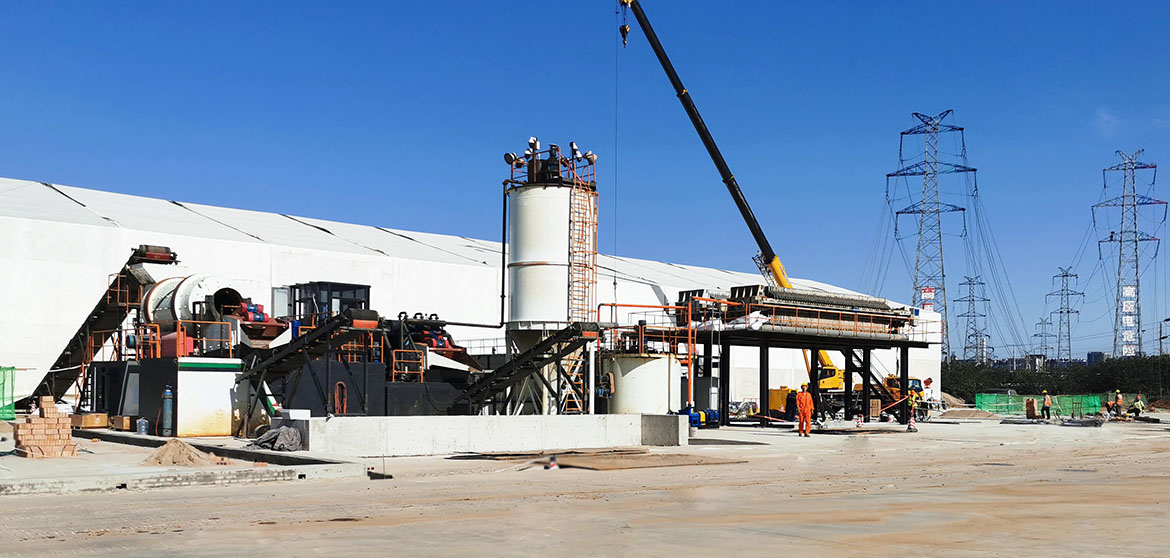
Staffing around daylight and weather
Cold climate operation is also a staffing question. Hydraulics need warm-up time, walkways need clearing, and crews work shorter effective shifts in northern latitudes. Building these hours into the schedule from the start keeps throughput predictable instead of losing days to improvised recovery.
Why Mobile Equipment Fits Cold Climate Projects
A fixed washing plant is a permanent commitment: once it is built, every winter must be engineered around it. Mobile and modular equipment gives contractors a choice. Some run all winter on a heated loop, while others demobilize in December and remobilize in spring, splitting the project into seasonal campaigns that match the remediation program and the budget. That flexibility is why demand for cold climate soil washing keeps growing across North America and Northern Europe. Desen Environmental builds modular and mobile soil washing plants for heavy metal remediation projects worldwide, and the company supports buyers with configuration and winterization options matched to the destination climate. To discuss a project schedule or request equipment details, visit materialwashing.com.