Mobile Screening Dust Suppression Measures: Keeping Contaminated Soil Screening Clean on North American Sites
Practical mobile screening dust suppression measures for contaminated soil projects in North America: spray bars, fog cannons, enclosures, feed control and boundary monitoring.
Mobile Screening Dust Suppression Measures: Keeping Contaminated Soil Screening Clean on North American Sites
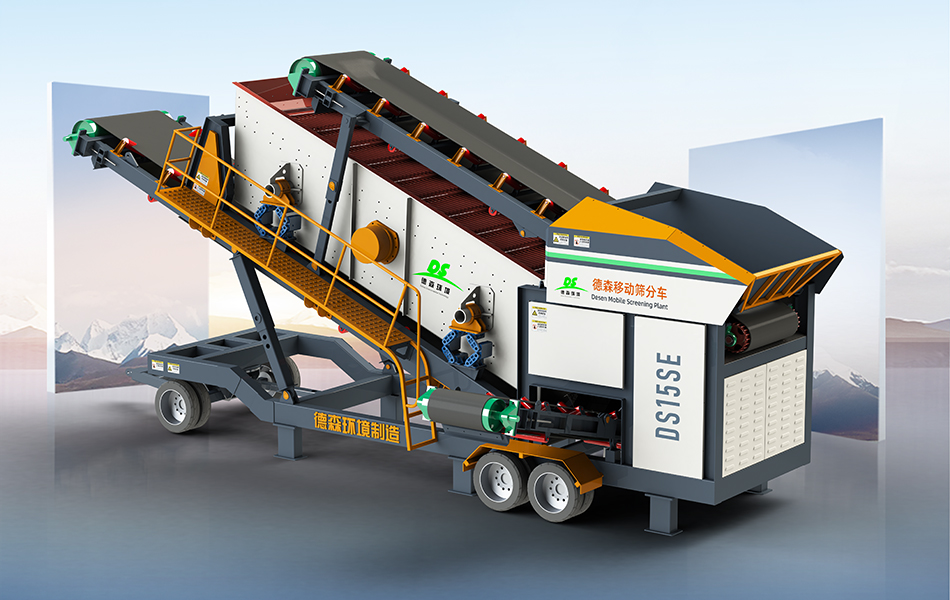
Mobile screening plants are often the first machines to touch contaminated soil on a remediation project, and they are also the first place dust becomes a problem. A screen deck running six to ten hours a day throws fine particles into the air at every drop point: the feed hopper, the screen box itself, each conveyor transfer and every stockpile the plant creates. On a brownfield site in North America, that dust is not just a nuisance. It can carry lead, arsenic or silica into the breathing zone of operators and neighbours, and it is one of the first things regulators and community groups look at when they visit. Mobile screening dust suppression measures therefore need to be planned as part of the plant setup, not added after complaints arrive. 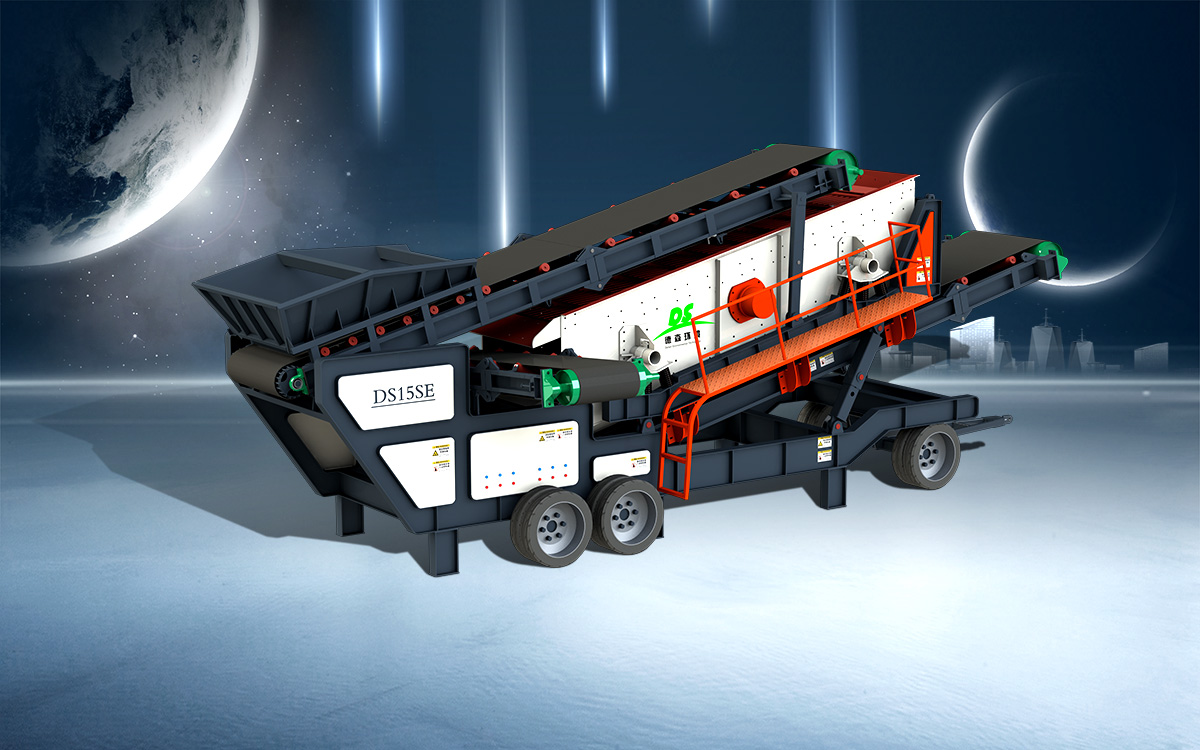
Where the Dust Comes From and Why Contaminated Soil Raises the Stakes
Four drop points generate most of the dust
On a typical mobile screening plant, dust generation concentrates at four points: the excavator or loader dropping soil into the feed hopper, the vibration of the screen deck shaking fines loose, the transfer points where conveyors load stockpiles, and the stockpile surfaces themselves as wind works on freshly screened, dry material. Each point behaves differently. Hopper and conveyor dust is pulsed and intense, while stockpile dust is continuous and rises with wind speed. A suppression plan that treats the whole site as one problem usually ends up over-watering some areas and missing others.
Contaminated dust is a compliance question, not a comfort question
On clean aggregate jobs, dust is mainly an occupational health and neighbourhood issue. On contaminated soil it becomes a permit condition. Fine particles are where heavy metals and other contaminants concentrate, so airborne dust can spread the very contamination the project was hired to contain. In the United States and Canada, sites commonly work under air monitoring requirements, and a visible dust plume leaving the fence line is the fastest way to trigger a stop-work order or a complaint-driven inspection. Treating suppression as part of the remediation design protects both the schedule and the site's relationship with its neighbours.
Water Based Suppression: The Core of Most Screening Setups
Water remains the most practical suppression medium on mobile screening jobs, and the measures below use surprisingly little of it when it is applied at the right points.
- Hopper spray bars: a row of nozzles above the feed hopper wets the soil as it enters, which calms the largest single dust pulse on the plant.
- Screen deck misting: low pressure misting on the screen box keeps fines from lifting off the deck without adding enough water to blind the screen apertures.
- Conveyor transfer curtains: water sprays or rubber curtains at transfer points stop dust escaping where material changes direction.
- Stockpile watering: periodic spraying of stockpile surfaces, timed to wind conditions, controls the slow continuous dust source.
- Fog cannons: a mobile fog cannon throws a fine mist over working areas, useful where fixed piping cannot reach or the plant moves between pads.
Matching water supply to a mobile plant
Water based measures fail most often for logistics reasons, not technical ones. A mobile screening plant that relocates every few weeks needs a water plan that moves with it: a tanker refill point, a storage tank sized for at least a day of operation, and hoses routed so the plant can be repositioned without rebuilding the system. On projects where the screening stage feeds a downstream soil washing line, process water can be shared, and the wash plant's recycled water loop reduces the fresh water the screening stage consumes. In dry western states and provinces, that shared water design is often what makes on site screening acceptable in the first place. 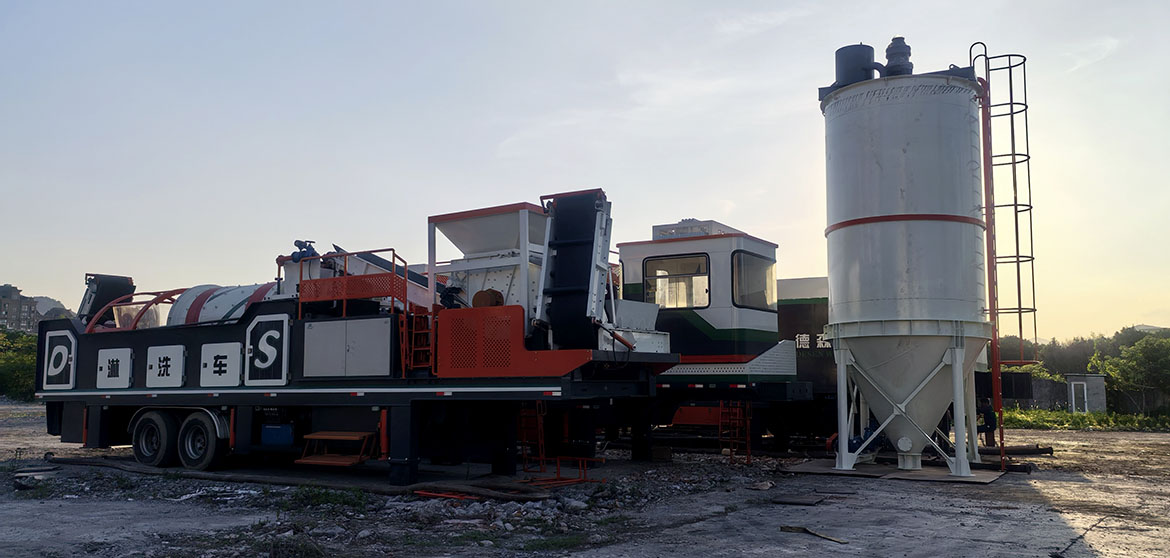
Enclosure, Operating Discipline and Monitoring
Physical controls that work with water
Water is more effective when it is backed by simple physical measures. Windbreak fencing on the upwind side of the stockpile area, covers over conveyor runs, and locating the plant so prevailing wind blows away from site offices and neighbouring properties all cut dust generation before a single nozzle is used. Screening enclosed in a partial shroud or tent costs more to set up but is worth considering on urban sites where the fence line sits close to the screen.
Operating habits that matter as much as hardware
Feed moisture, feed rate and screen speed all change how much dust a plant makes. Conditioning the feed so soil arrives slightly damp, avoiding overloading the deck so material flies further than it should, and pausing operations during strong wind events cost nothing in hardware. Dust monitoring, whether handheld meters or fixed boundary sensors, closes the loop: it shows whether the measures are working and produces the records that North American permits increasingly ask for.
Handled this way, dust suppression becomes a routine part of mobilizing a mobile screening plant rather than a recurring argument with the regulator. Desen Environmental builds trailer mounted screening and washing equipment with spray connections and water routing designed in from the start, supporting projects across North America, Europe, the Middle East and Southeast Asia. More detail on screening and washing configurations is available at materialwashing.com.