Screening Accuracy vs Throughput Tradeoff: Setting the Right Cut for Your Soil Washing Line
How to manage the screening accuracy vs throughput tradeoff on a remediation site: screen deck choice, aperture selection and two-stage setups that keep a soil washing plant fed.
Screening Accuracy vs Throughput Tradeoff: Setting the Right Cut for Your Soil Washing Line
Every soil washing plant needs a screening step in front of it, and every project manager eventually runs into the same conflict: the finer you screen, the cleaner and more uniform your washer feed becomes, but the less material your screener can process per hour. Push the other way and you hit your daily tonnage target while sending lumps, clay balls and debris straight into the washing circuit. Managing the screening accuracy vs throughput tradeoff well is one of the quiet differences between a washing line that runs smoothly and one that stalls, chokes and burns diesel on rehandling. This guide explains where the tradeoff comes from, how screen type and aperture shape it, and which site-level decisions help you get both accuracy and volume. 
Why Accuracy and Throughput Pull in Opposite Directions
What happens at the screen deck
A screen separates particles by giving each one a chance to find an opening that matches its size. Fine apertures need more deck area per tonne because a thin bed of material has to spread out before particles can reach the apertures. If you feed the same tonne per hour onto a fine mesh as onto a coarse grid, the bed thickens, stratification suffers and undersize particles leave with the oversize stream. Accuracy falls precisely when you push rate hardest. Coarse apertures are the opposite: material passes almost on contact, so capacity climbs, but everything larger than the cut travels downstream to the washer.
What the washer actually tolerates
The cost of a loose cut depends on what follows the screen. Attrition scrubbers and drum washers handle a limited top size; anything above it either has to be crushed or recirculated. Clay balls are a more common problem than stones, because they behave like oversize while carrying most of the contaminant load, and they can pass a nominal aperture early in the shift when the feed is wet and sticky, then blind the deck an hour later. Screening that is too loose does not only slow the washer, it also shifts contaminants into the coarse output fraction, which is usually the fraction you intend to certify for reuse.
How to Set a Cut That Works on Your Site
Match screen type to soil condition
Screen type determines how much accuracy you can keep at a given rate. Trommel screens tolerate sticky, high-moisture feed and handle lumps through tumbling action, which is why they open most remediation flowsheets, but their separation precision around the cut point is moderate. Vibrating screens and star screens separate more sharply and dry the material as they go, yet they blind faster when clay coats the deck. On mixed urban soils, a common answer is a primary scalping screen that removes oversize and debris at high rate, followed by a second, finer screen closer to the washer feed specification. 
Aperture, moisture and the rate you quote
Aperture selection should start from the washer's process requirements, not from the screener's brochure rate. A practical sequence looks like this:
- Confirm the top size and maximum fines content your washing plant accepts, then set the screen cut slightly above it rather than at it.
- Test the feed at its worst realistic moisture, because wet soil changes both blinding behaviour and effective cut size.
- Quote plant throughput from the screening bottleneck, not from the washer nameplate, and record the screen rate the test actually achieved.
- Plan a recirculation or re-screen path for oversize lumps so accuracy can be recovered without stopping the line.
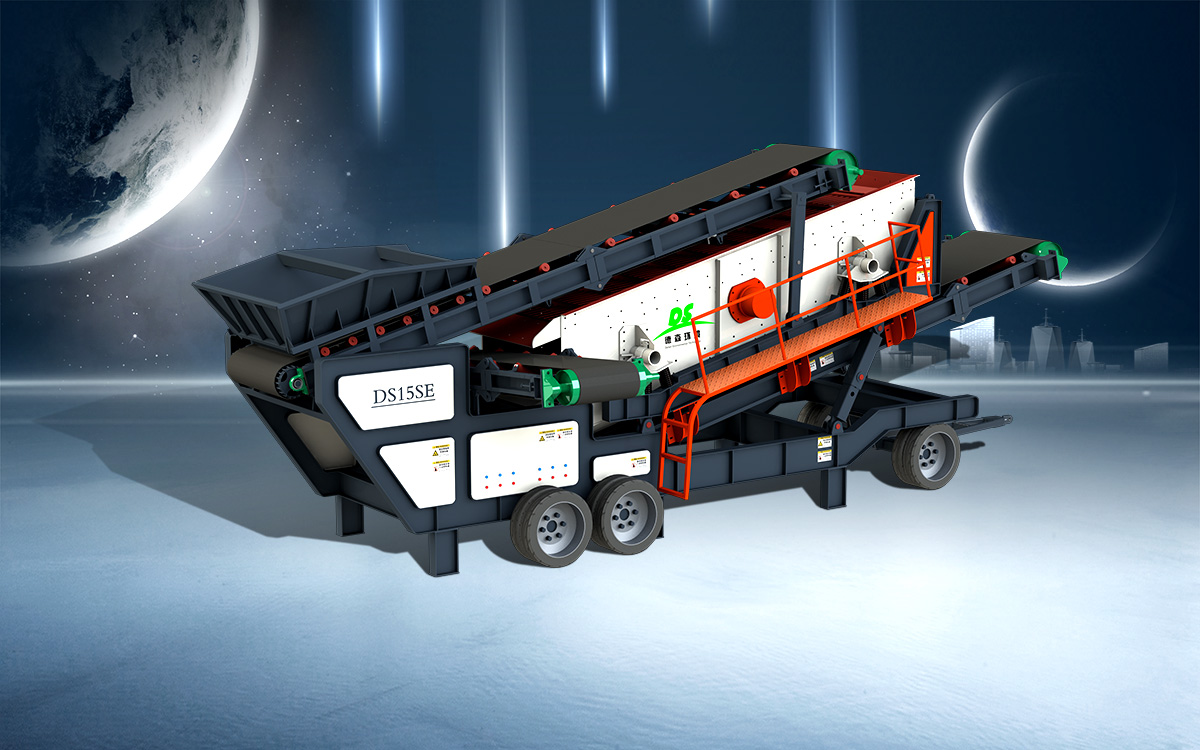
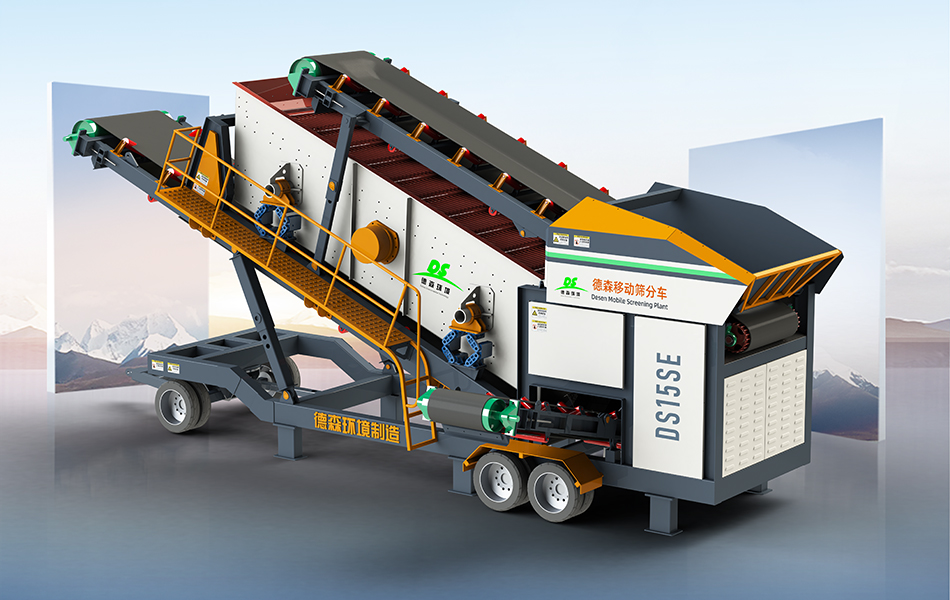
On a recent remediation project the combination was visible end to end: an excavator fed a mobile screening and washing unit straight from the stockpile, screened fines moved on to the washing stage, and oversize was stockpiled beside the cut for rehandling. Sites organised this way lose far fewer tonnes to rehandling than sites where one screen is asked to deliver a finished feed in a single pass.
When to accept a coarser cut
The tradeoff is not always resolved in favour of accuracy. If the coarse fraction will be washed anyway and the washer has spare capacity, screening coarser and letting the plant do the separation can raise total daily output. The losing configuration is the one nobody measured: a screener set fine on paper, blinding through the shift, delivering an unverified cut. Whatever compromise you choose, verify it with a simple feed sample taken at the washer inlet, and adjust the deck or the rate against that evidence.
Conclusion: Measure the Cut, Not the Nameplate
The screening accuracy vs throughput tradeoff cannot be eliminated, but it can be managed with equipment choices and honest testing. Define what your soil washing plant needs as feed, choose screen types that stay open under your site's moisture conditions, and quote your daily programme from the rate the whole front end can actually sustain. If you are planning a remediation project and want help matching a mobile screening unit to a washing line, Desen Environmental builds mobile screening and soil washing equipment and can size the front end against your soil data and schedule.