Contaminant Speciation Analysis Before Soil Washing: Why the Chemical Form of a Metal Decides the Process
What contaminant speciation analysis before soil washing reveals: how metal fractions decide acid wash, chelant or reduction chemistry, and how lab results shape plant configuration.
Contaminant Speciation Analysis Before Soil Washing: Why the Chemical Form of a Metal Decides the Process
Two sites can report the same total lead concentration in milligrams per kilogram and still need completely different washing plants. The difference hides in the chemical form of the metal, not the quantity. Contaminant speciation analysis before soil washing answers the question that a total concentration figure cannot: is the metal loosely attached to grain surfaces, locked in carbonates, bound to iron oxides, tied up in organic matter, or sealed inside stable minerals? Each answer points to a different combination of chemistry, retention time and equipment. This guide explains what speciation measures, how each fraction responds during washing, and how project teams turn a fractionation report into a working process design. 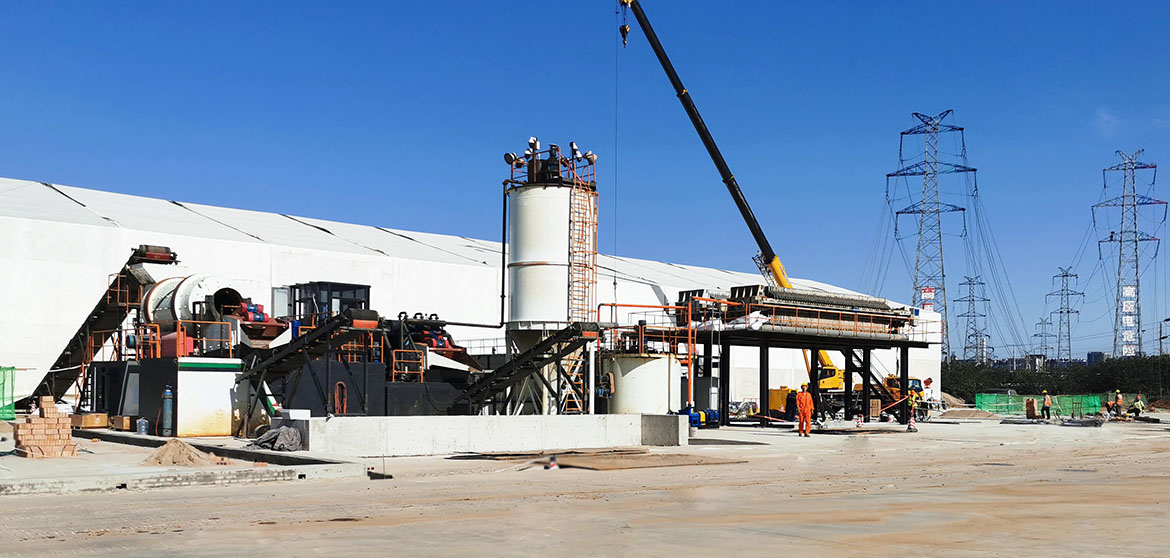
What Speciation Actually Measures
The five operationally defined fractions
Speciation studies for remediation soils usually follow sequential extraction schemes such as the BCR method. A sample is treated with a series of progressively stronger reagents, and the metal released at each step is assigned to an operationally defined fraction:
- Exchangeable - adsorbed onto particle surfaces and released by a neutral salt solution; the most mobile fraction and the easiest to wash out.
- Carbonate-bound - co-precipitated with carbonate coatings; dissolves under mild acid conditions.
- Fe-Mn oxide bound - attached to iron and manganese oxide coatings; requires stronger acid contact or a reducing step.
- Organic and sulfide bound - held in organic matter and metal sulfides; needs oxidation or aggressive chelation.
- Residual - locked inside primary mineral lattices; effectively immobile under washing conditions.
Why total concentration misleads
A site report that lists only total metals treats all five fractions as one number. In practice, a soil with 800 mg/kg of lead dominated by exchangeable and carbonate phases will respond to a short, mild acid wash, while a soil with the same total lead held in the residual fraction may never reach a cleanup target through chemistry alone. Speciation also predicts environmental risk during and after treatment: exchangeable metals re-release easily if treated soil later meets acidic water, whereas residual metals stay put. Regulators and reviewers increasingly ask for this distinction when they evaluate a washing proposal.
Turning Speciation Data Into a Process Route
Exchangeable and carbonate-bound metals respond to mild acid
When the majority of the metal load sits in the first two fractions, the washing target is achievable with modest chemistry. Light acidification of the wash water, adequate drum scrubbing contact and reliable solids separation are usually sufficient. Short retention times keep reagent consumption and effluent load low, and the treated coarse fraction can often be verified quickly.
Oxide-bound and organically bound metals need stronger chemistry
Metals attached to iron and manganese oxides, or bound in organic and sulfide phases, demand more from the plant: hotter or more acidic wash stages, reduction steps such as sodium dithionite for oxide-bound metals, or carefully dosed chelating agents for metals held in organic complexes. Each of these additions extends the flowsheet - extra dosing stations, longer reactors and a heavier effluent treatment duty - and each adds cost. Speciation tells the design team whether that cost is actually necessary for the metal fractions that matter on a given site.
The residual fraction sets realistic expectations
No washing chemistry extracts metal from inside stable silicate minerals within an economic residence time. A fractionation report that shows a large residual share should redirect project strategy: either the cleanup target is renegotiated on the basis of reduced leachability, or the coarse fraction is cleaned while the metal-bearing fines are separated for disposal or further treatment. Writing this expectation into the project basis before equipment is ordered prevents the most common dispute in washing contracts - a verified target that was never chemically reachable.
A Practical Workflow From Lab Report to Plant Configuration
Sampling and fractionation testing
Speciation work starts with representative sampling across the site, because metal binding forms change with depth, geology and historical sources. In the laboratory, the sequential extraction is run on composite samples alongside standard leaching tests such as TCLP. The two datasets complement each other: speciation explains where the metal sits and how strongly it is held, while the leaching test shows how the metal behaves once the treated soil leaves the site.
Translating fractions into plant configuration
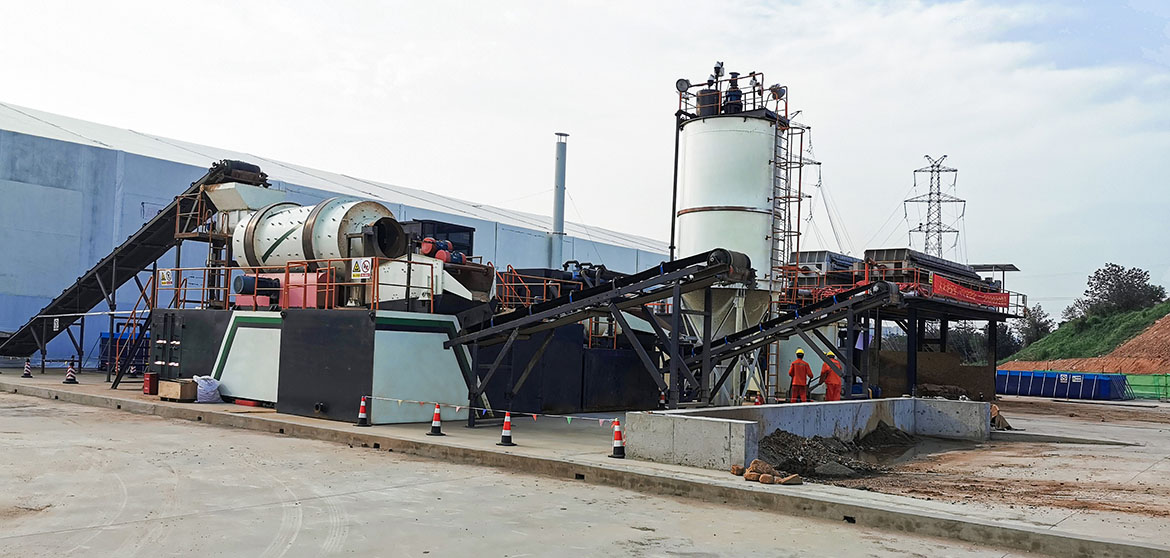
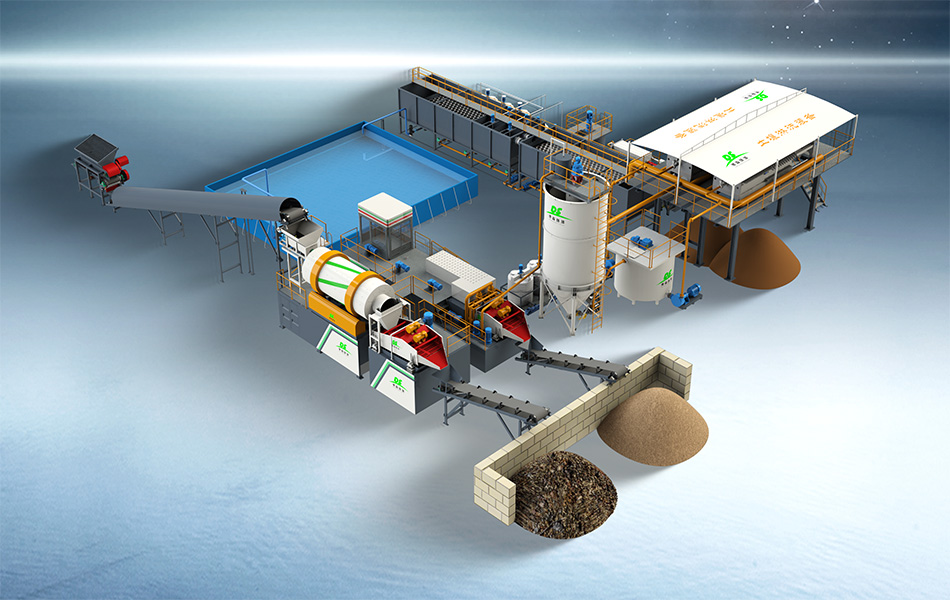
For a Desen washing line, fractionation results feed directly into equipment selection: drum scrubber duty and retention time follow the share of loosely bound metal, reagent dosing capacity follows the acid or chelant demand of the oxide and organic fractions, and the fines management route - thickening, conditioning and filter press dewatering - follows the expected concentration of stubborn metal in the fine fraction, such as the dewatered cake shown below. 
Contaminant speciation analysis before soil washing costs a fraction of a wrong process design. For projects in North America and Europe, where verification standards are strict and treatment disputes are expensive, running the fractionation work during feasibility is a reliable way to select chemistry, size the plant and set cleanup targets that the washing line can actually deliver.