Soil Washing Plant Financing Options for Remediation Contractors: Funding the Plant Without Starving Cash Flow
Financing routes for remediation contractors buying a soil washing plant: equipment loans and leases, supplier credit, project-level funding and matching the term to the earning life.
Soil Washing Plant Financing Options for Remediation Contractors: Funding the Plant Without Starving Cash Flow
For most remediation contractors, the decision to buy a soil washing plant is not blocked by technology - it is blocked by the balance sheet. A modular washing line is a capital purchase, and paying for it outright in the same year the project pipeline is still being built ties up cash the business needs for mobilization, payroll and bonding. Understanding the soil washing plant financing options remediation contractors actually use turns the purchase into a manageable step rather than a cash crisis. The routes below reflect how contractors in North America typically structure the deal. 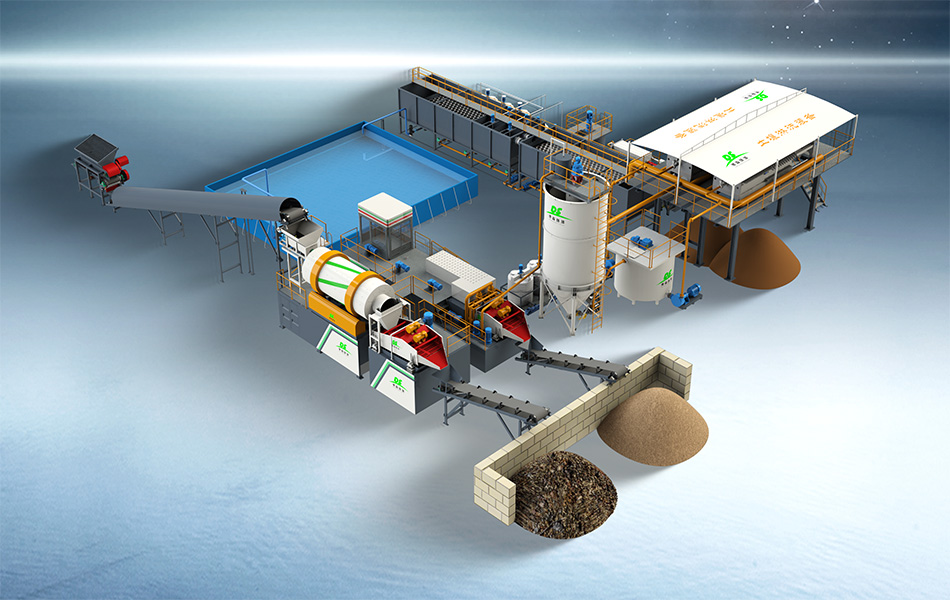
Why the Financing Structure Shapes the Plant Decision
The cash flow reality of remediation work
Remediation revenue arrives in milestones, and payment often lags the work by 45 to 90 days. A contractor who pays cash for a washing plant and then wins two projects at once may find that the plant is ready while the cash to mobilize the second site is not. Spreading the cost of the equipment across the period in which it earns keeps working capital free for the parts of a project that cannot be financed: site labor, consumables and the cost of carrying contaminated stockpiles before treatment.
What lenders and lessors look at
Finance for washing plant is assessed much like other specialized construction equipment, with two additions. Lenders want evidence that the contractor has remediation work lined up - a letter of intent, a framework agreement or an approved vendor position - and they look at whether the plant is versatile enough to earn across different project types. A modular line that handles contaminated soil, dredged sludge and industrial by-products presents a stronger collateral story than a single-purpose setup, because it can be redeployed if one market slows.
The Main Financing Routes Compared
Equipment loans and finance leases
A term loan or finance lease secured on the plant itself is the most common route. The equipment serves as collateral, so the security package is straightforward, and terms of three to five years are typical for this class of asset. A finance lease suits contractors who expect to run the plant intensively through the lease term and want a clear path to ownership; an operating lease suits those who prefer to keep the asset off the balance sheet and retain the option to upgrade as the fleet grows. The trade-off is that leasing usually costs more over the full term in exchange for a lower monthly outlay and flexibility.
Supplier credit and staged payment terms
For purchases from overseas manufacturers, staged payment terms written into the supply contract function as a form of financing: a deposit at order, a payment against factory acceptance testing, and the balance on delivery or commissioning. Some buyers add export credit insurance or bank facilities in their home market to stretch the payment window further. This route works well when the payment schedule can be aligned with the first project milestone, so revenue starts flowing before the final payment falls due.
Project-level funding structures
Contractors holding a large, multi-season remediation contract sometimes finance the plant at project level, rolling the equipment cost into the project budget and funding it through the main contract facility or a specialist environmental lender. This keeps the equipment debt tied to the revenue that justifies it, though it concentrates risk if the project is delayed or the scope changes.
Whichever route is on the table, lenders ask for a similar evidence package:
- Two to three years of financial statements and current bonding capacity
- Evidence of the project pipeline: signed contracts, letters of intent or framework agreements
- An itemized equipment quotation, so the lender can value the collateral
- A delivery and commissioning schedule, which sets the drawdown profile
- An insurance quotation covering the plant from delivery onward
Matching the Finance Term to the Earning Life of the Plant
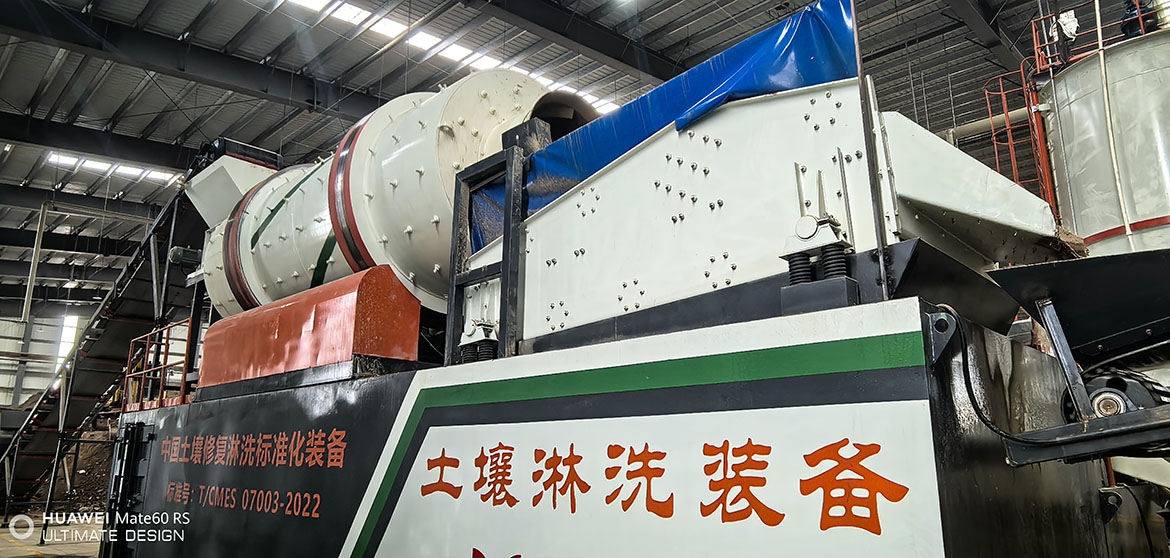
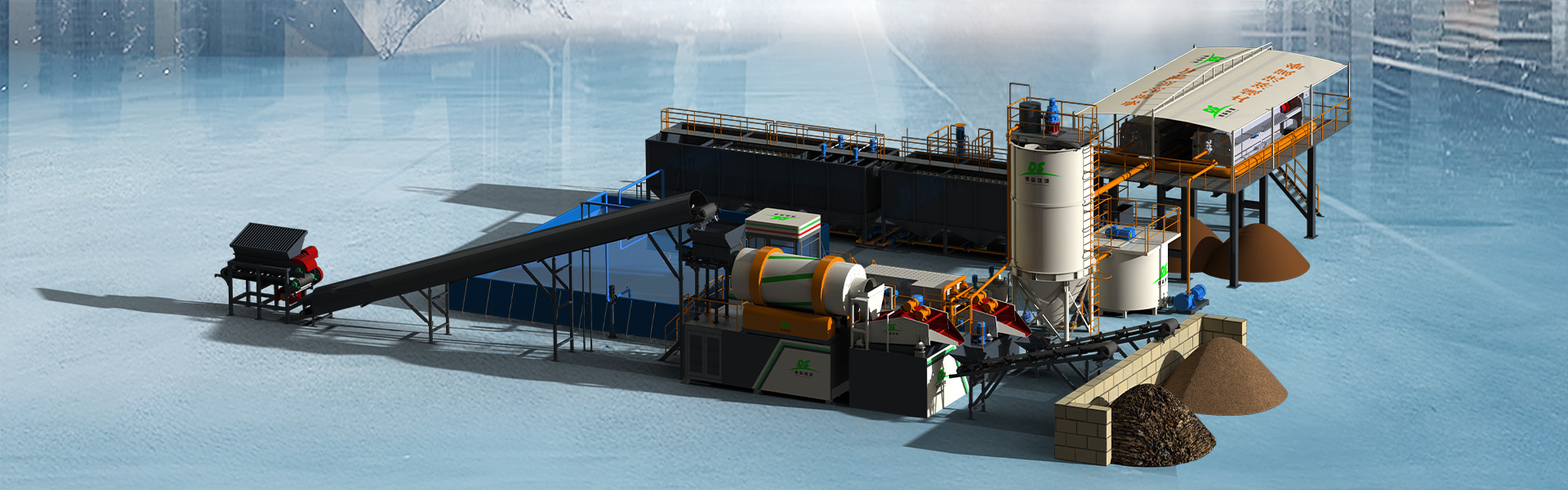
The governing principle is simple: the finance term should be shorter than the earning life of the equipment. A modular soil washing plant that is properly maintained operates productively for a decade or more, and it retains resale value because its core components - the drum washer, screens, hydrocyclones and dewatering press - are standardized and serviceable. A three-to-five year facility set against an asset with that working life means the plant is owned outright while it is still in its most productive years, and later project pipelines are funded by equipment that has already paid for itself. 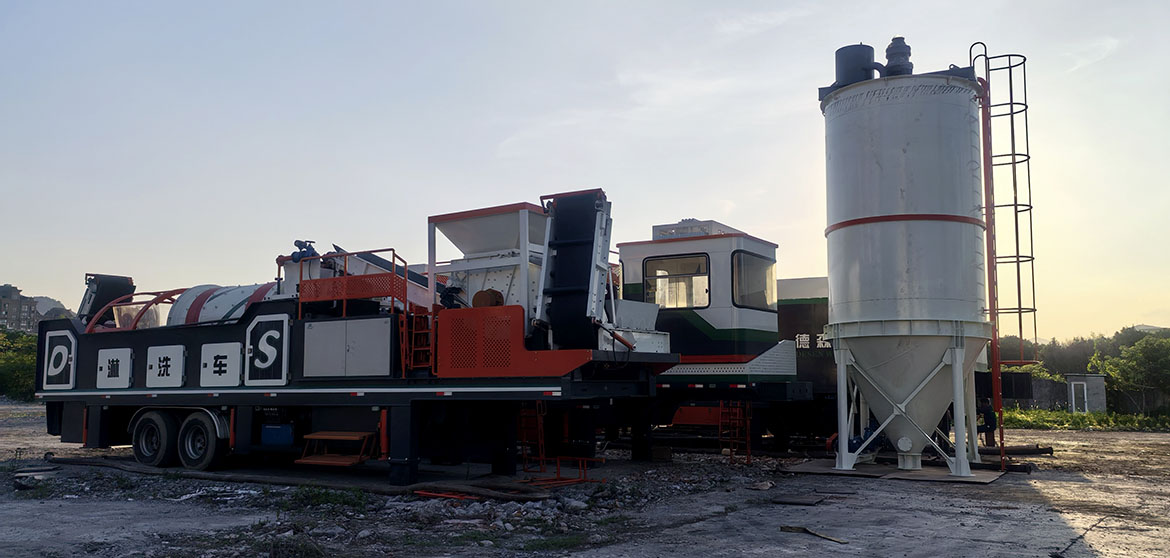
Contractors evaluating a purchase should model the cash flow the way a lender will: milestone-based revenue against financed outlay, seasonal downtime, and the utilization rate needed to break even. Desen Environmental supplies the technical documentation that supports this work - itemized quotations, performance data and delivery schedules - so buyers can approach their bank or leasing partner with a complete file. For contractors in North America and other target markets, treating the financing plan as part of the plant specification, rather than an afterthought, is what turns a washing line from a large purchase into a repeatable engine of remediation revenue.