Modular Washing Plant Control System Automation: PLC, Interlocks and Remote Diagnostics on a Soil Washing Line
How PLC control, interlock logic and remote diagnostics are specified on a modular soil washing plant, and what to test before control system handover.
Modular Washing Plant Control System Automation: PLC, Interlocks and Remote Diagnostics on a Soil Washing Line
A modular soil washing plant is bought for the speed of installation, and that speed disappears if every pump, valve and conveyor on site has to be started by hand from a different skid. Control system automation is the part of a modular line most often under-specified at inquiry stage and most awkward to retrofit once the plant is standing in a containment bay. This article sets out what a plant-wide control layer does on a modular washing line, how to design it around real site conditions, and what to test before you accept handover.
What Control Automation Covers on a Modular Washing Line
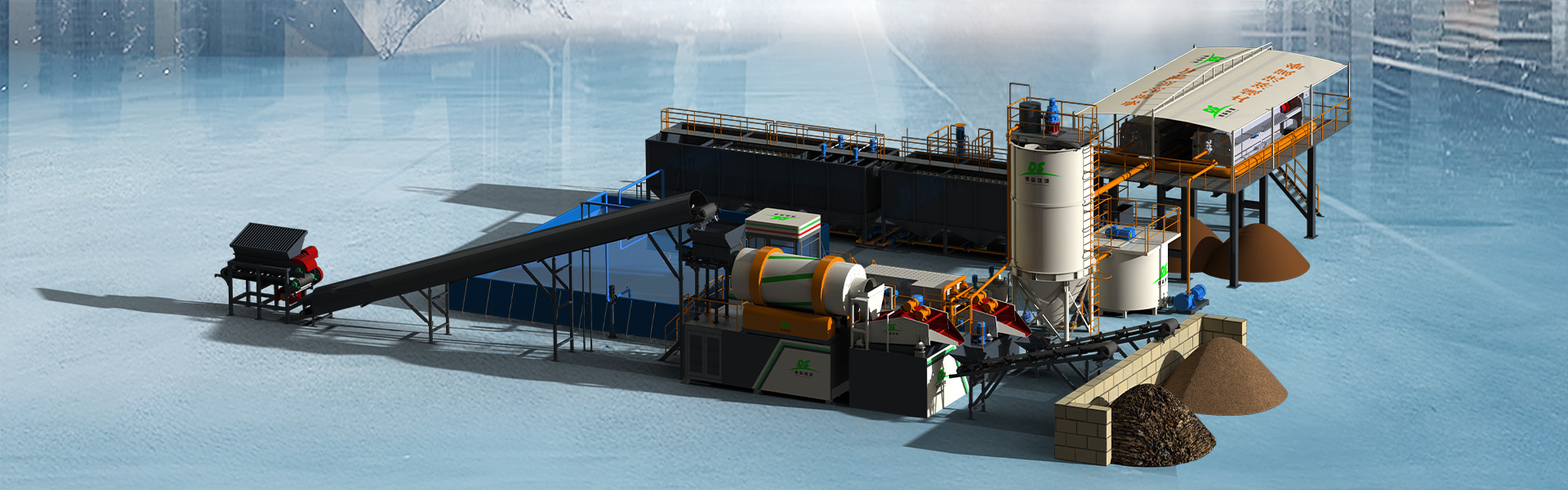
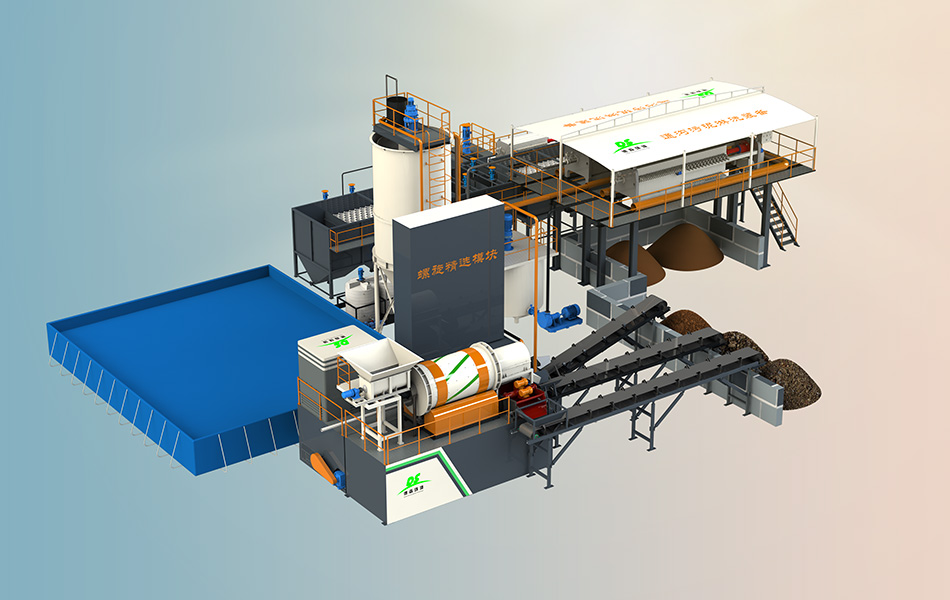
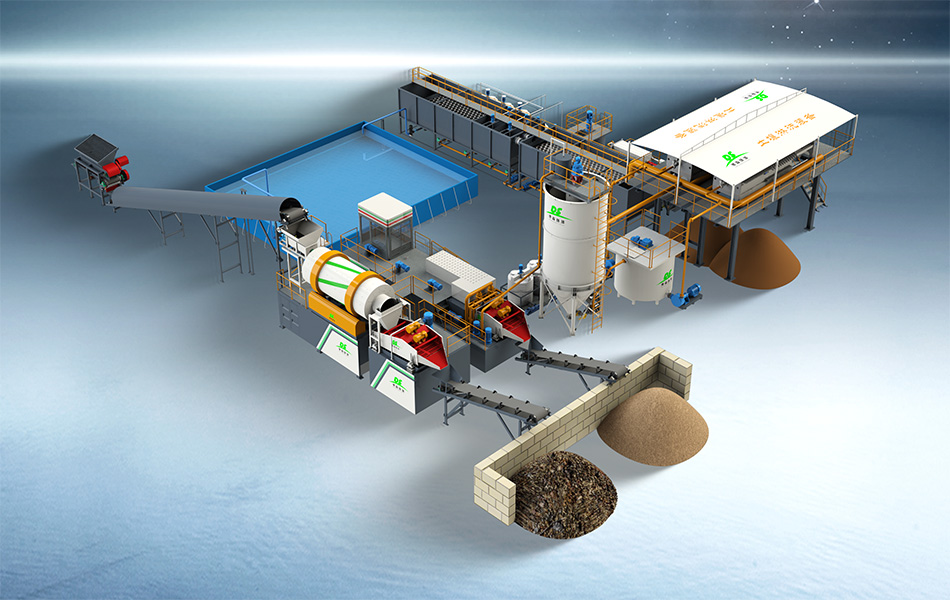
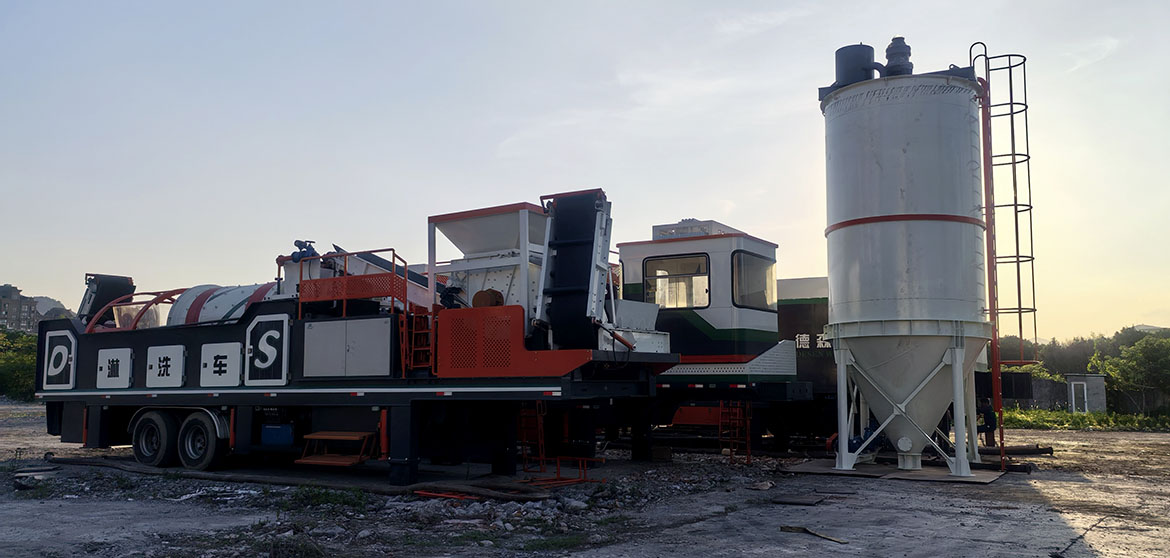
On a four-module line, a control system is not a single cabinet on a single skid. It is a chain: level and pressure instruments, flow meters, motor protection devices, a programmable logic controller, and one operator interface that lets the line behave as a single machine rather than four separate ones. The scope to agree at inquiry stage is the boundary: which functions stay in the local panel of each module, and which are pulled up to the central controller.
From local starters to a plant-wide controller
Each module normally arrives with its own local panel, which is right for maintenance, because an electrician can isolate the scrubber drive without opening the plant controller. The problem is that this arrangement alone leaves a line that can only be run by walking between skids. Linking the local panels to a central controller gives you a start sequence, a single emergency stop envelope, a shared fault history and an alarm that shows which motor tripped first. On a washing line, the first-out alarm is what shortens downtime from hours to minutes.
Where the operator interface sits
Interface position is a site decision, not a supplier preference. A control container beside the modules keeps the operator within sight of the feed and the scrubber discharge, which matters when clay blocks a conveyor. Screens should be laid out by area, feed, washing, water treatment and dewatering, rather than by equipment list, so an operator diagnosing a thickener overflow is not hunting through three pages of tags.
Designing the Control Layer Around Site Conditions
A control philosophy copied from a temperate industrial park rarely fits a Gulf port or a Southeast Asian riverbank: dust, humidity, voltage fluctuation, generator operation and the distance to the nearest qualified instrument technician all change what should be automated and what should stay manual with a clear local control.
Load sequencing and interlock logic
The value of a controller on a washing line is mostly in the start and stop order. Feed should start last and stop first. Downstream conveyors should prove they are running before the scrubber receives material. Water flow should be proven before washing begins, and the thickener should never be asked to accept solids it cannot settle. Interlocks that stop upstream feed when a downstream unit faults protect the plant from a spill that takes days to clean out of a containment bay. Write these rules down during design and test them one by one, because an interlock nobody has tested is only an assumption.
Remote diagnostics when the engineer is far away
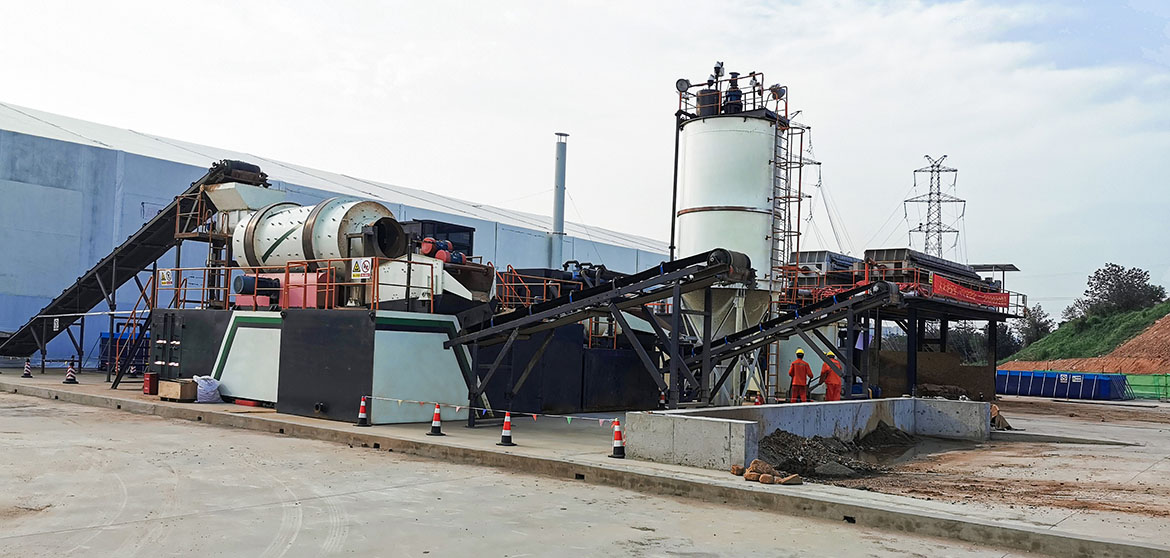
For overseas projects, remote access is worth designing in from the start rather than adding later. A router on site, a read-only data link and trend logging let a supplier engineer see motor currents, tank levels and alarm history without flying anyone in. The commercial point is contract clarity: agree who holds the network contract, whether access is read-only or write-enabled, and when it can be switched off. Read-only access resolves most process questions; write access should be time-limited and logged.
What to put in the automation scope
- Instrument list by tag, with range and signal type for each device
- Motor list with starting method, protection and where variable speed is required
- Interlock schedule written as cause and effect, not as prose
- Spare input and output capacity for later additions to the line
- Interface to site power, including the generator changeover arrangement
- Remote access terms, data ownership and an end date for support
Commissioning and Handover of the Control System
What to test before you accept the system
Control commissioning runs alongside mechanical commissioning but should not be merged with it. Loop checks confirm that each instrument reads in the direction and range the screen expects. Interlock tests should be done by simulating the fault rather than waiting for it: block a conveyor, drop a tank level, trip a motor protection relay, and confirm the right sequence stops in the right order. Then run the line at design tonnage long enough to see whether the alarm list floods, because an operator who sees forty alarms in a minute will start ignoring all of them. Finally, test a power failure and a restart, and confirm the line comes back in a safe state instead of resuming mid-sequence.
Desen Environmental scopes the control layer at inquiry stage, so that modules, plant controller and site electrical work arrive as one package rather than three separate promises. If you are comparing suppliers, ask for the interlock schedule and the remote access terms before discussing price. Those two documents say more about how a plant will run day to day than a photograph of a control cabinet.