Soil Washing Plant Delivery Lead Time Planning: Aligning the Plant Shipment With Your Project Schedule
Soil washing plant delivery lead time planning keeps the shipment aligned with permits, civil works and mobilization. See what drives lead time and how to schedule it.
Soil Washing Plant Delivery Lead Time Planning: Aligning the Plant Shipment With Your Project Schedule
On a soil remediation project the washing plant rarely arrives at a convenient moment. It lands in a schedule that already contains permits, civil works, excavation plans and a treatment deadline, and if the shipment slips, every downstream activity slips with it. Delivery lead time planning is therefore not a logistics detail but a scheduling decision made at order placement. Desen Environmental builds modular and mobile soil washing equipment for projects across the Middle East, Europe, Southeast Asia and North America, and the sequence below reflects how buyers typically plan the gap between signing the contract and running the first tonne.

What Sets the Delivery Lead Time on a Soil Washing Plant
Lead time on a washing plant is the sum of three phases, and buyers who plan around only one of them usually miss their date.
Factory build and pre-assembly
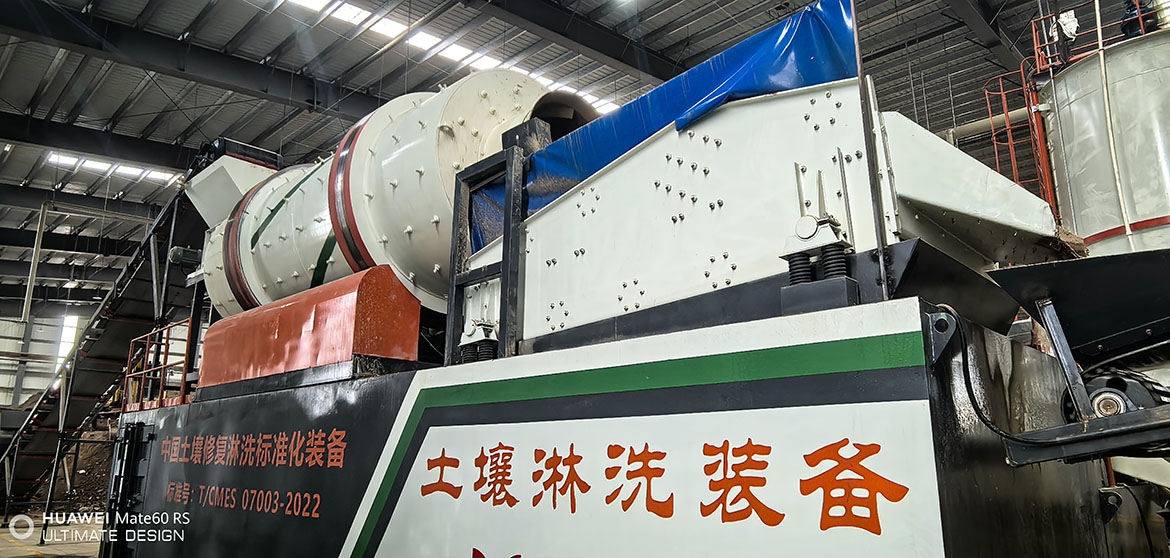
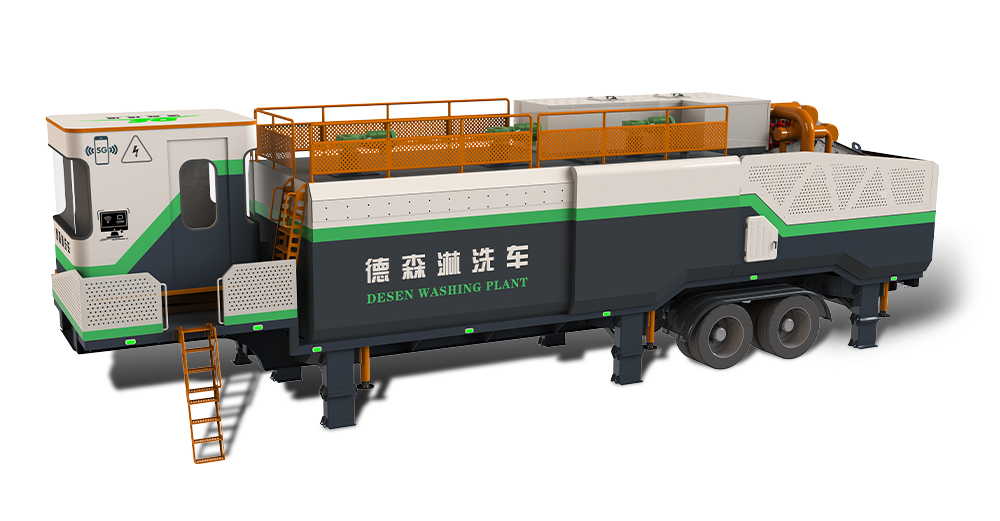
A modular washing line is built module by module: feeding and screening, drum washing and attrition scrubbing, classification, and dewatering with the water treatment loop. Standard configurations typically move from order to shipment-ready in eight to twelve weeks, though custom layouts, materials for corrosive feeds and peak production periods extend that. Pre-assembly in the factory is worth insisting on: modules that arrive trial-fitted catch alignment problems at the works, where correction costs hours rather than weeks. Factory acceptance testing is usually scheduled at the end of this phase, and the buyer or its inspector should attend - a deficiency corrected at the works is a much smaller event than one found after shipping.
Sea freight, port handling and customs
Shipping adds four to eight weeks to most destinations, depending on sailing frequency and transshipments. Break-bulk modules and open-top containers for oversized items book slower than standard boxes, so the booking should start the moment factory completion is confirmed. Customs clearance is the phase buyers most often underestimate: HS classification, import documentation and duty treatment vary by market, and a customs agent appointed before the shipment sails - with the paperwork prepared in advance - routinely saves more days than any acceleration in the factory could.
Site-side works that run in parallel
Civil works, utilities and crane arrangements happen on the buyer's clock and should run while the plant is being built, not after it lands. A foundation poured after the modules arrive is pure schedule loss.
Planning Backward From the Mobilization Date
The reliable way to plan is to start from the date the remediation schedule needs the plant running and work backward.
Anchor the order date to the treatment window
If permits allow excavation from a given month, the plant should be running before that month, not ordered in it. A practical backward plan reads: commissioning and operator training in the final two weeks, installation and reassembly two to three weeks before that, customs clearance and inland transport four to six weeks before that, and the factory order eight to twelve weeks before shipment. For a project with a spring start, the order conversation belongs in the previous autumn.
A site readiness checklist for delivery week
Delivery week is where plans fail quietly. Before the shipment lands, the site should have:
- Foundations, hardstandings and drainage completed and cured against the agreed layout drawing.
- Power supply available at the agreed connection point, with the required rating stated in the contract.
- A process water source arranged, or storage for it, so commissioning is not delayed by an empty line.
- Crane capacity and access routes booked for the heaviest module, not the average one.
- A clear, level laydown area sized for every module, so offloading is not improvised on arrival.
Buffering the schedule honestly
Sailing delays, port congestion and weather affect every intercontinental project. A buffer of two to three weeks between the contractual delivery date and the date the schedule actually needs the plant running protects the treatment window without inflating the tender price. Where the deadline is genuinely immovable - a fixed site closure date or a contract with liquidated damages - the buffer deserves to be larger, and partially pre-assembled shipments or air-freighted critical spares are worth pricing.
Delivery Day and the Weeks After
The shipment's arrival is a milestone, not an endpoint. What happens in the following fortnight decides whether the backward plan holds.
Offload, positioning and reassembly
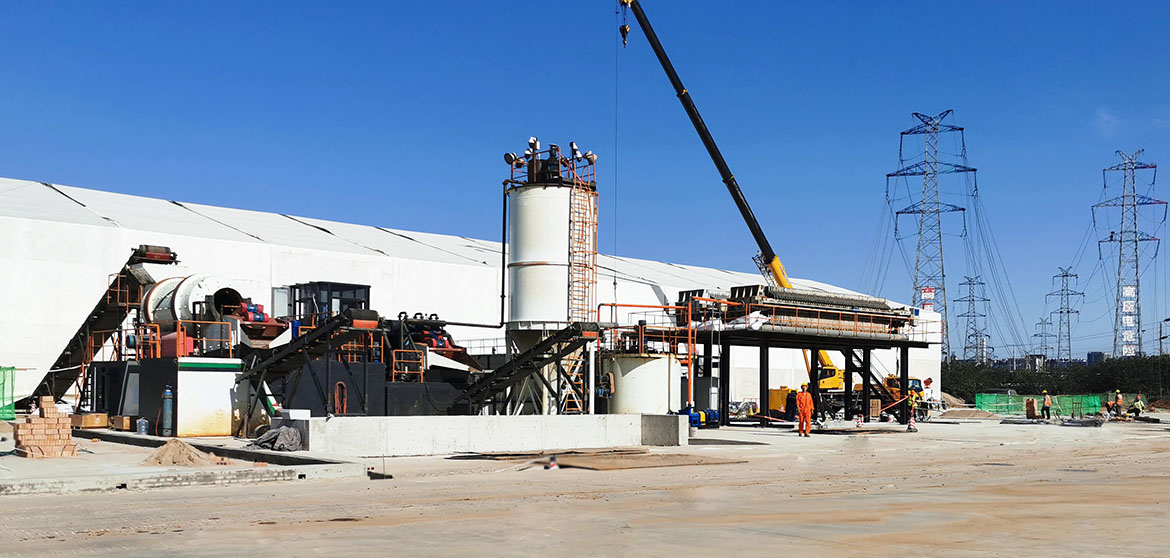
Modules are offloaded and set on their foundations in the sequence agreed at the layout stage - the washing line first, then classification, then the dewatering and water treatment loop. A supervisor from the plant builder on site for this phase is standard practice, and reassembly goes fastest where the site readiness checklist above was genuinely closed out before the shipment sailed.
Commissioning against the treatment window
Commissioning then proves the line on the project's own feed material: throughput, washing chemistry, water balance and dewatering output are checked against the acceptance criteria in the contract, and operator training runs in parallel. Two to three weeks covers a typical modular line where the site was ready. Planned this way, the delivery lead time stops being a risk the project absorbs and becomes a sequence the project controls.
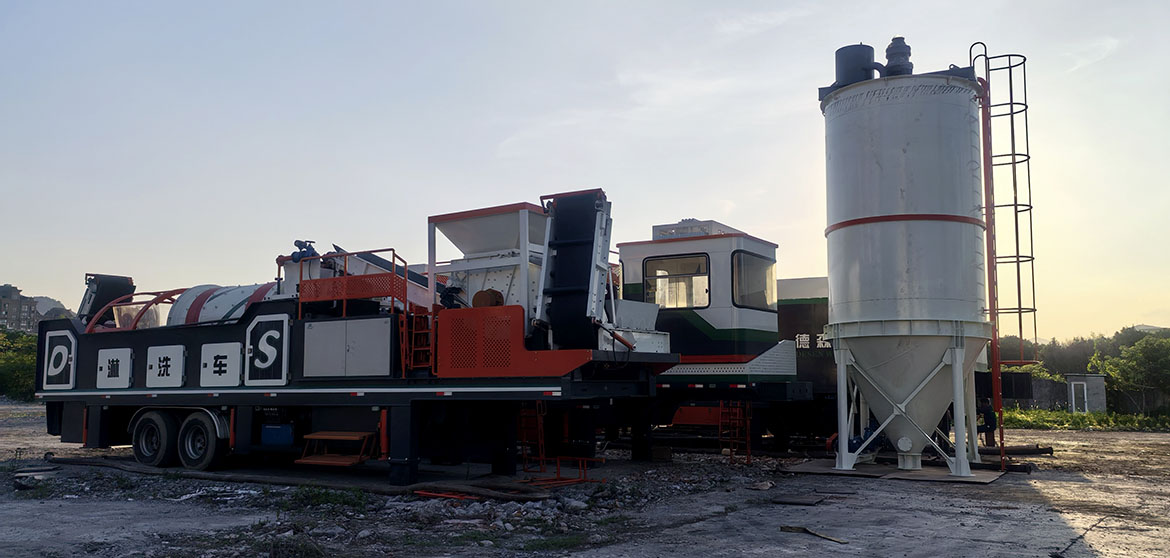
Desen Environmental documents delivery milestones, factory acceptance and installation scopes for its modular and mobile soil washing equipment, so buyers can anchor a backward plan to verifiable stages; equipment scopes and project references are available at materialwashing.com.