Mobile vs Modular Soil Washing Plant Selection: Matching the Equipment Format to Project Conditions
Mobile vs modular soil washing plant selection decides mobilization, throughput and cost on remediation projects. Compare the two formats across five practical questions.
Mobile vs Modular Soil Washing Plant Selection: Matching the Equipment Format to Project Conditions
Every soil washing project opens with the same equipment question: does this campaign justify a modular washing plant that stays on one site for months, or a mobile washing plant that moves between sites every few weeks? Both formats treat the same contaminants with the same washing chemistry, yet they suit very different project shapes. Choosing the wrong one shows up later as idle capacity, repeated transport bills or a line that cannot follow the work. Desen Environmental supplies both formats - trailer-mounted mobile washing plants and modular washing lines - and the comparison below sets out how buyers across the Middle East, Europe, Southeast Asia and North America actually make this choice.
What Mobile and Modular Actually Mean on a Washing Project
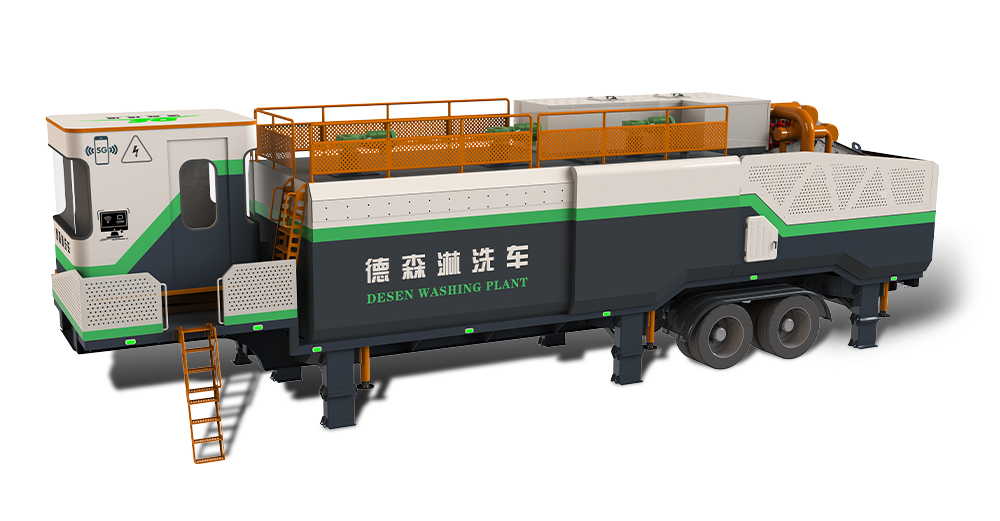
The two words describe how the plant is built to move, not how it washes. A mobile washing plant is a complete washing line mounted on a trailer chassis with road wheels, hydraulic outriggers and an integrated control cabin. It arrives behind a truck, levels itself on pads, connects to power and water, and starts processing - often within a day of reaching site. When the campaign ends, it folds down and tows away intact.
Modular washing plants
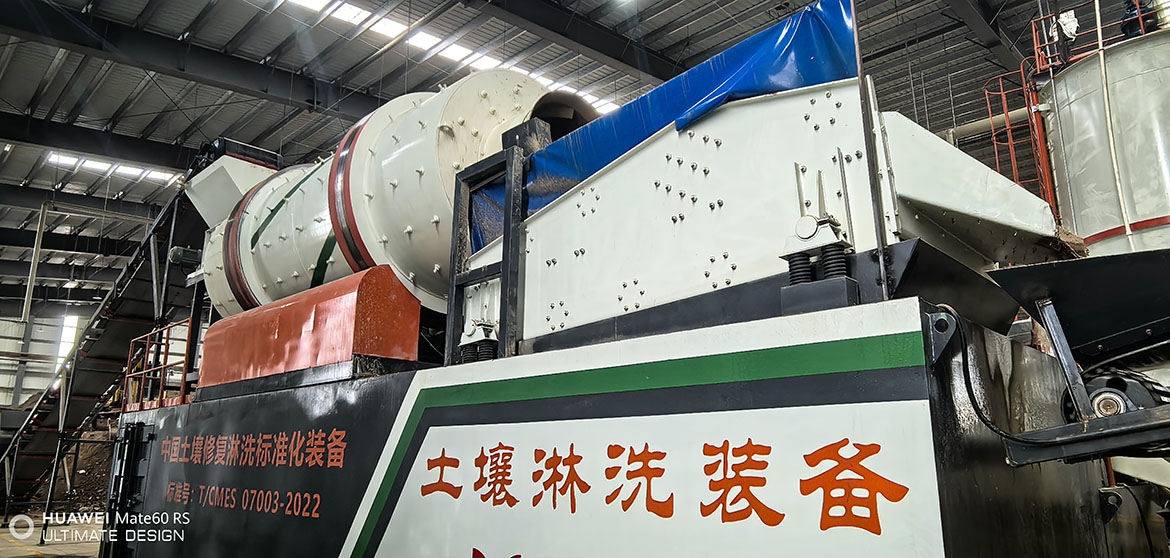
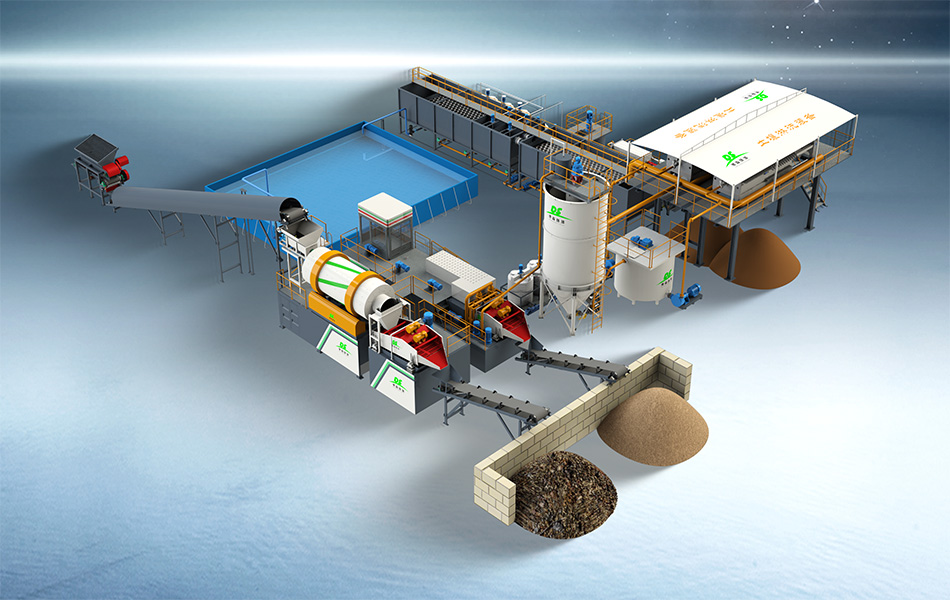
A modular washing plant takes the opposite approach. It ships as a set of skid-mounted modules - feed hopper, rotary scrubber, screening decks, attrition cells, dewatering screens and water treatment tanks - that are bolted together on a prepared hardstand. Assembly takes longer, and it usually sits on engineered foundations with lined water ponds, but it delivers higher tonnage per hour and supports heavier process additions such as chemical dosing and filter presses.
Where the boundary blurs
In practice many contractors run the two formats side by side: a modular plant anchors the main treatment campaign on a large site, while a mobile unit handles satellite plots, stockpile cleanups or demonstration runs for clients. The formats are complementary rather than competing, which is why the selection question is about the project, not about loyalty to one format.
Five Questions That Decide the Format
Buyers who compare the two formats systematically tend to ask the same five questions before quoting:
- Campaign length: how many months will the plant run on this site before the next mobilization?
- Throughput: how many tonnes per hour does the soil volume divided by working days actually require?
- Site access: can a tractor unit and trailer reach the working area, or does the site demand tracked or compact equipment?
- Ground and civil works: is there space and budget for a hardstand, lined ponds and foundations, or must the plant stay self-contained?
- Process depth: does the contamination require chemical dosing, attrition scrubbing and filter-press dewatering, or is a physical wash sufficient?
Campaign length and mobilization frequency
Mobilization is the mobile format's hidden cost. Each relocation consumes permits, escorts, teardown and re-commissioning time. A project treating one brownfield site for eight months gets little value from wheels; a contractor sweeping a pipeline corridor or a network of small fuel-station plots gets most of its value from them. As a working pattern, campaigns under roughly four weeks per site favour mobile equipment, while campaigns running a season or longer on one site favour a modular line that amortizes its setup cost over more tonnes.
Throughput and duty cycle
Mobile plants trade tonnage for mobility. A trailer-mounted washing plant processes a useful but bounded hourly rate, adequate for small and mid-size remediation jobs. Modular lines add scrubber length, screening area and dewatering capacity, which is why large urban redevelopment projects - hundreds of thousands of cubic metres of soil - are almost always fed by a modular configuration running two or three shifts.
Where Each Format Pays Off
Cost comparisons mislead when they ignore the project envelope. A modular plant carries higher civil works, installation and dismantling cost, but its lower cost per treated tonne rewards long campaigns. A mobile plant carries higher transport cost per site and a lower ceiling on hourly output, but it removes site preparation spending and moves on without remediation of its own footprint. Risk follows the same logic: modular plants concentrate production in one permitted location, while mobile units spread permits, water management and operator staffing across every site they serve.
Typical mobile-format projects
Short-notice cleanups, pipeline corridors, gas-station plots, dredged-sludge campaigns near ports and pilot campaigns ahead of a full-scale contract all suit the mobile format, where the ability to demonstrate results on the client's own soil is part of the sales case.
Typical modular-format projects
Multi-year remediation programmes, industrial redevelopment sites, government land-cleanup tenders and projects requiring tight effluent limits with filter-press dewatering favour the modular format, where auxiliary modules attach to the line and the water loop stays under continuous supervision.
Buyers weighing these factors against a specific site can send the soil volume, project duration and contamination data to Desen Environmental for a format recommendation and a configuration proposal - details at materialwashing.com.